

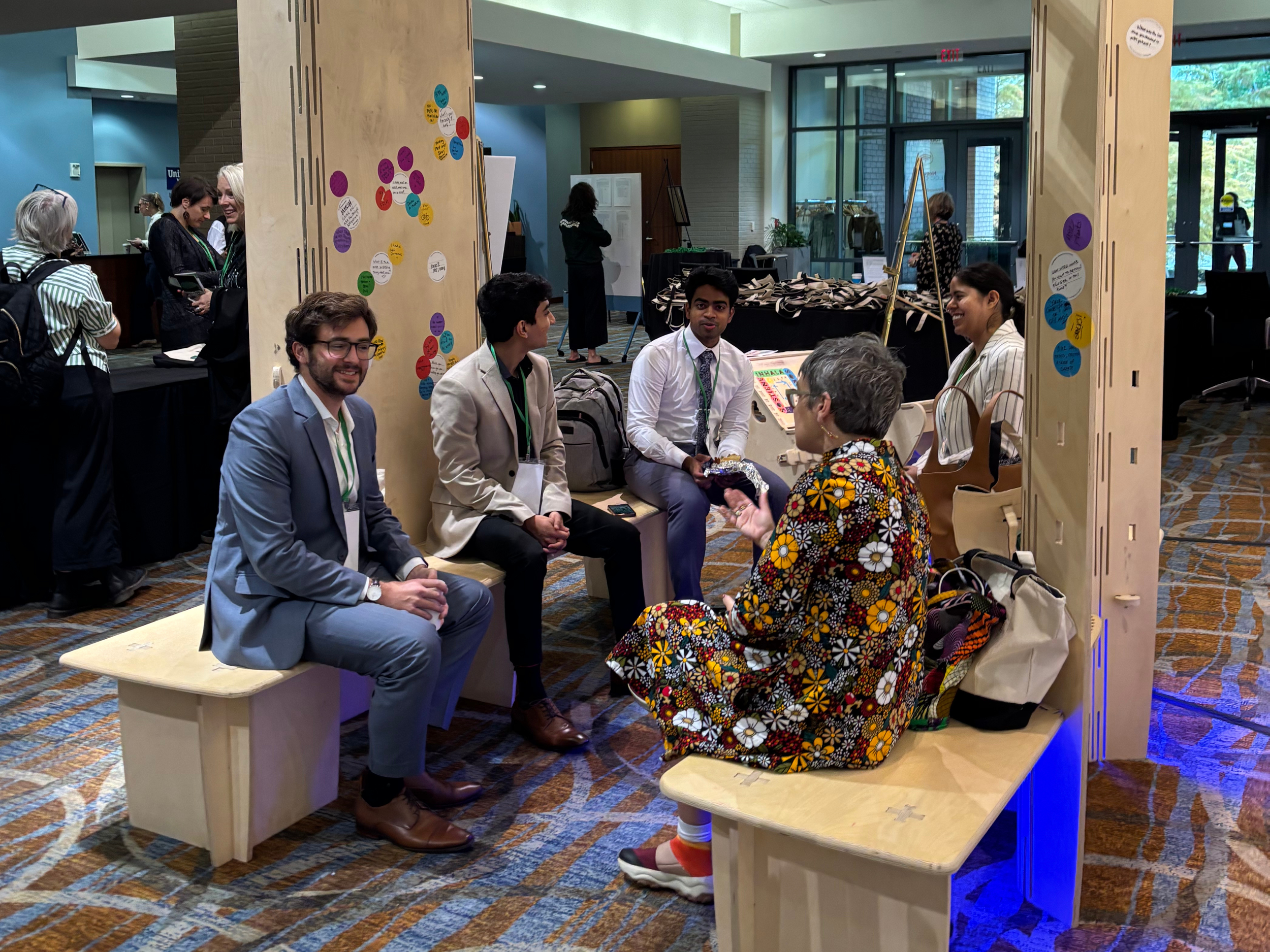
From Policy to Place: How We Build the Architecture of Belonging
Belonging doesn’t happen by chance—it’s designed through the places we create and the policies we choose. Inspired by the SEEDS Conference, this issue explores how human-scale design, social infrastructure, and community spaces can strengthen connection and help people truly belong.

The Upside of Deviance
What if “disorder” isn’t a flaw, but a response to environments that no longer fit human needs? This issue explores how design, neurodiversity, and shifting cultural norms can transform perceived deficits into strengths—and why embracing difference may help us build a more human world.
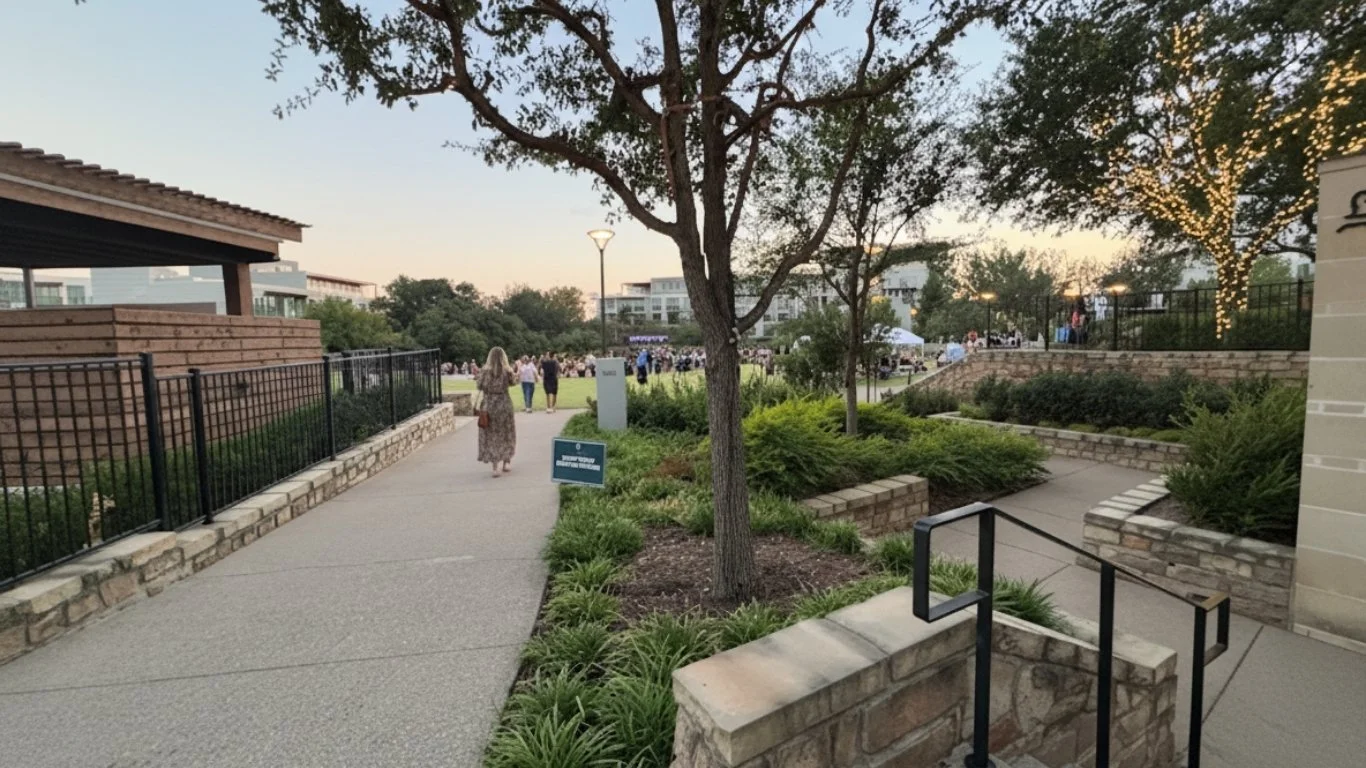
What Taylor Swift Can Teach Us About Neurodivergent Design
What can Taylor Swift teach us about neurodivergent design? Sometimes the most meaningful spaces are the ones that let us step away, regulate, and return. Explore how sensory-friendly environments foster well-being, inclusion, and human-centered design for everyone.
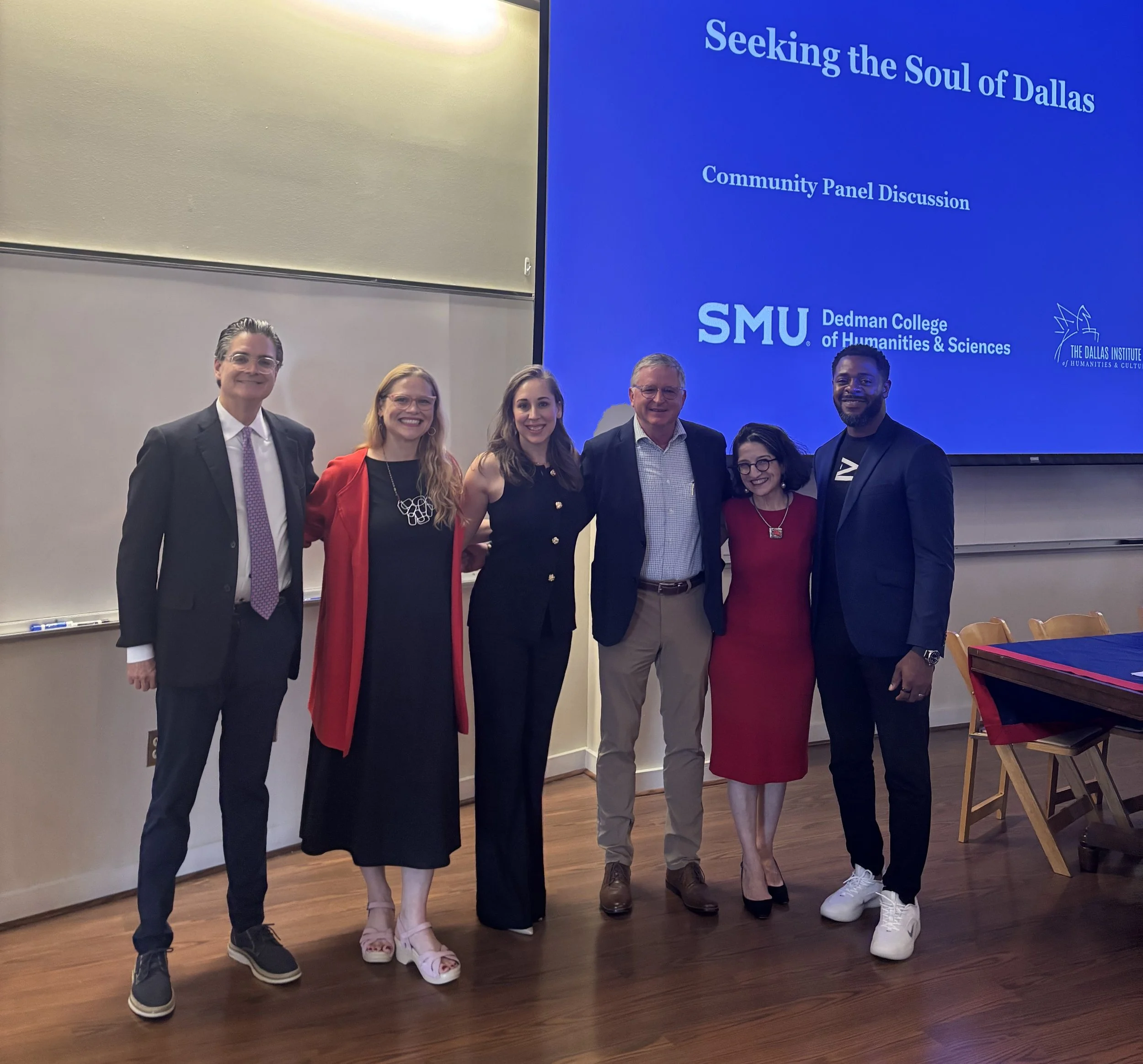
Can a City Have a Soul?
Can a city have a soul? Drawing from a panel at SMU, this issue explores how architecture, public investment, the arts, and civic imagination shape neighborhoods where people feel seen, connected, and proud to belong—and why great cities are built at a human scale.
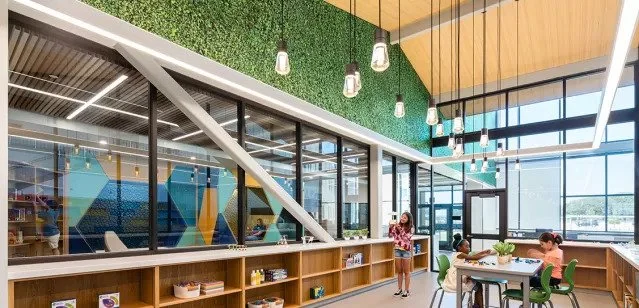
How School Design Can Help Children Feel Safe
What if the design of a school could help children feel calmer, safer, and more ready to learn? Explore how trauma-informed design uses nature, choice, and thoughtful spaces to reduce stress, support well-being, and create healing-centered learning environments for every student.
Loneliness is a Public Health Emergency. Design Can Help.
The WHO's 2025 report names social connection as a global health imperative. For those of us who design places — or simply move through them — it's also a call to look differently at the spaces we occupy every day.
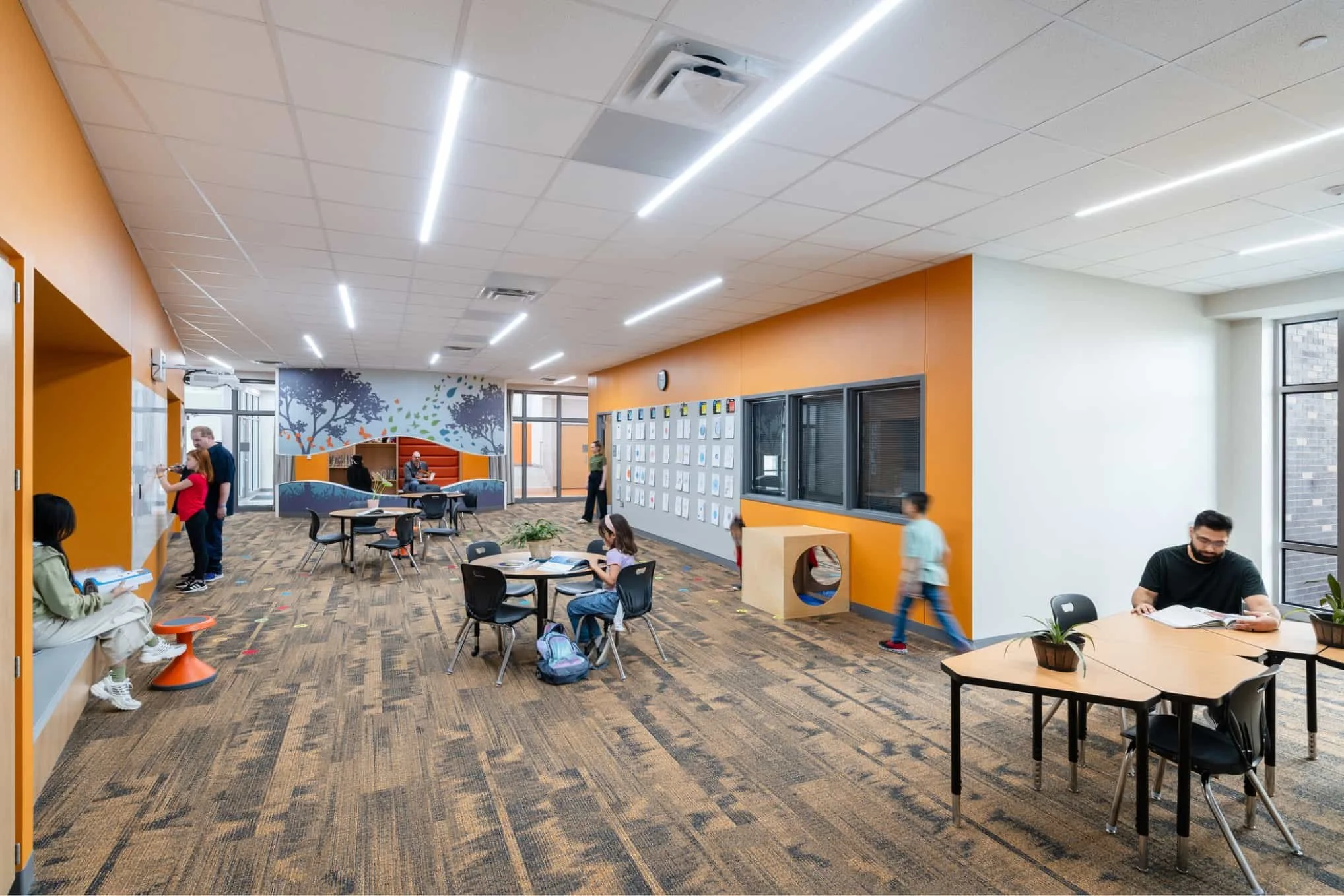
WHO 2025: Elevating Social Connection to a Public Health Imperative
The WHO's 2025 report reframes social connection as a global public health priority. Explore how loneliness affects health, why our built environments matter, and how designing schools, neighborhoods, and public spaces can foster stronger relationships and healthier communities.
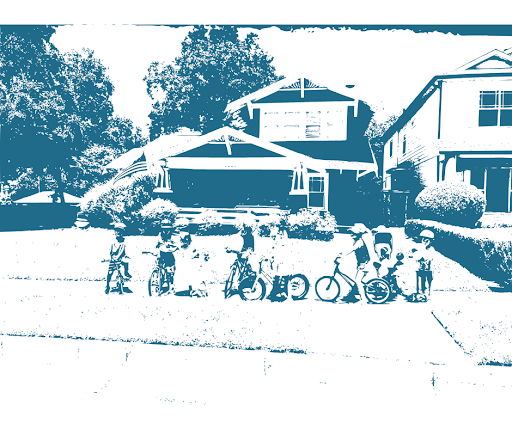
Outdoor Spaces, Stronger Connections: Join the Summer Social
Summer is the perfect season to turn outdoor spaces into places of belonging. Explore research-backed design strategies—from pop-up parks to biophilic design—that strengthen social connections, improve well-being, and help communities thrive one gathering at a time.
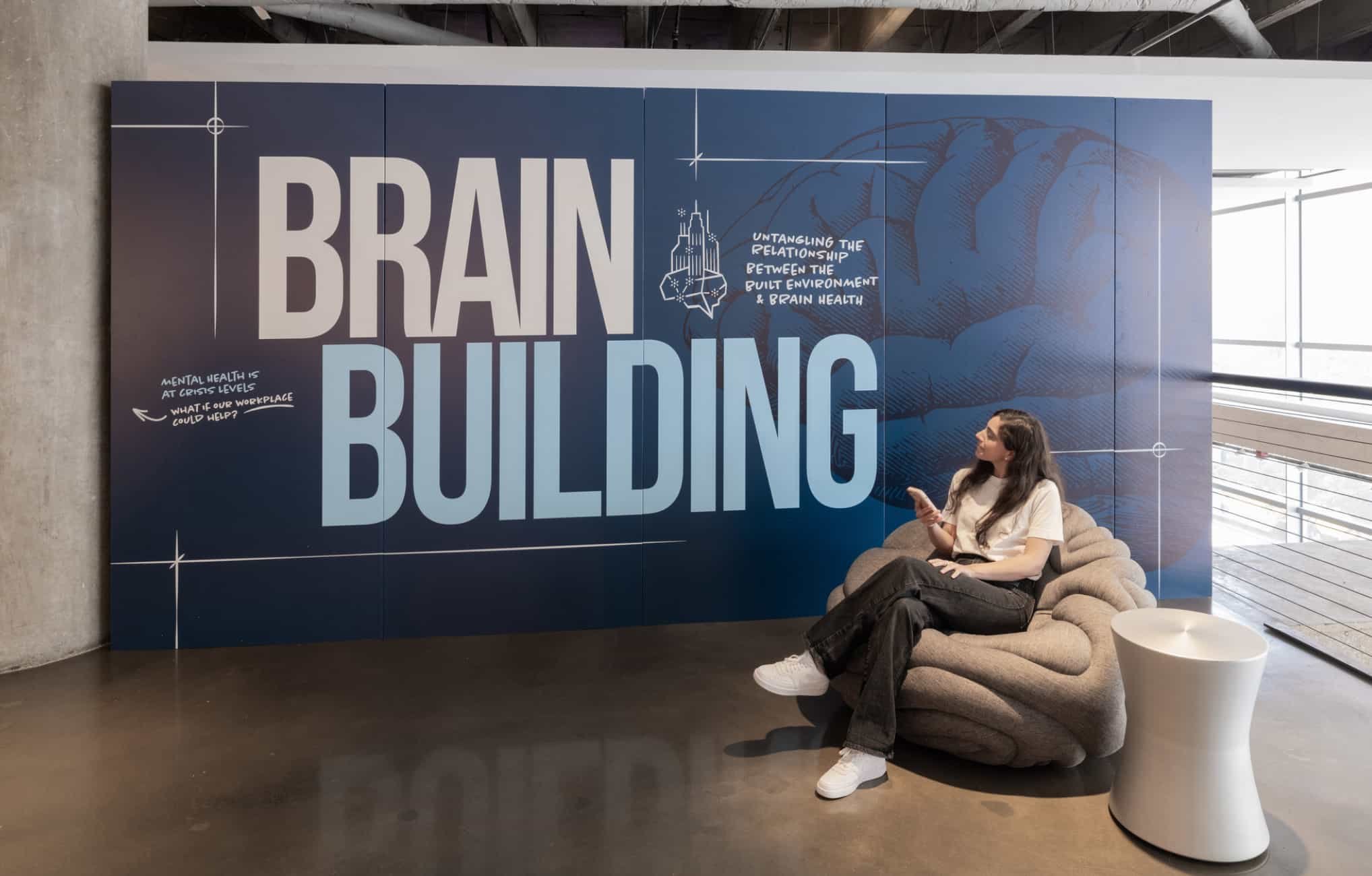
World Brain Day + A Special Announcement
What if the spaces we design could actively support brain health? Discover Project WHY, a groundbreaking collaboration exploring how neuroscience and the built environment shape cognition, well-being, and human connection—and how you can help shape the future of brain-informed design.
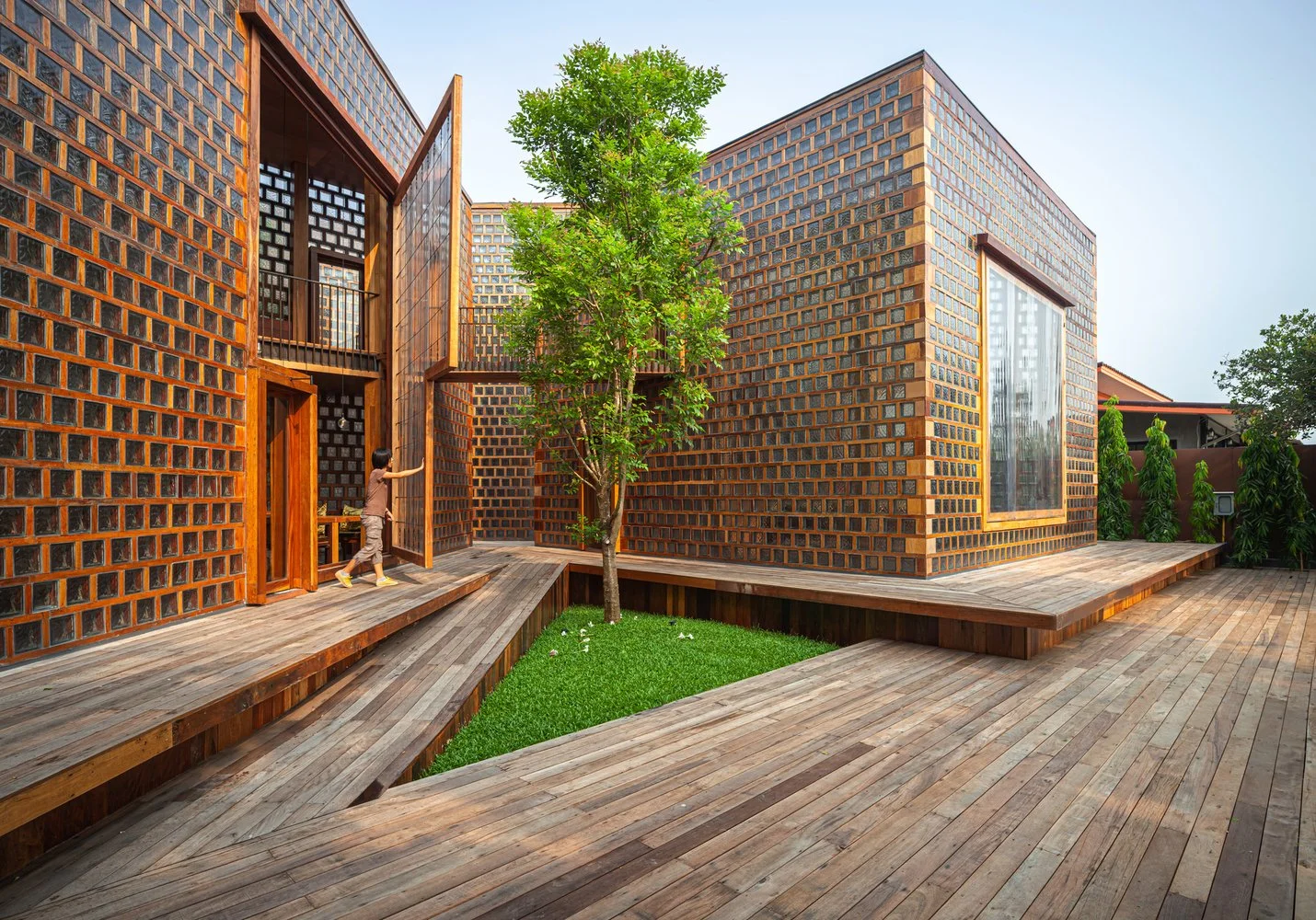
Inclusive Cities Insights from New Urbanism & Gendered Design
What makes a city truly inclusive? This issue explores how New Urbanism and gender-informed design are creating safer, healthier, and more connected communities. Discover research, real-world examples, and practical strategies for designing places where everyone can belong.
Evidence-Based Design for Stronger Communities
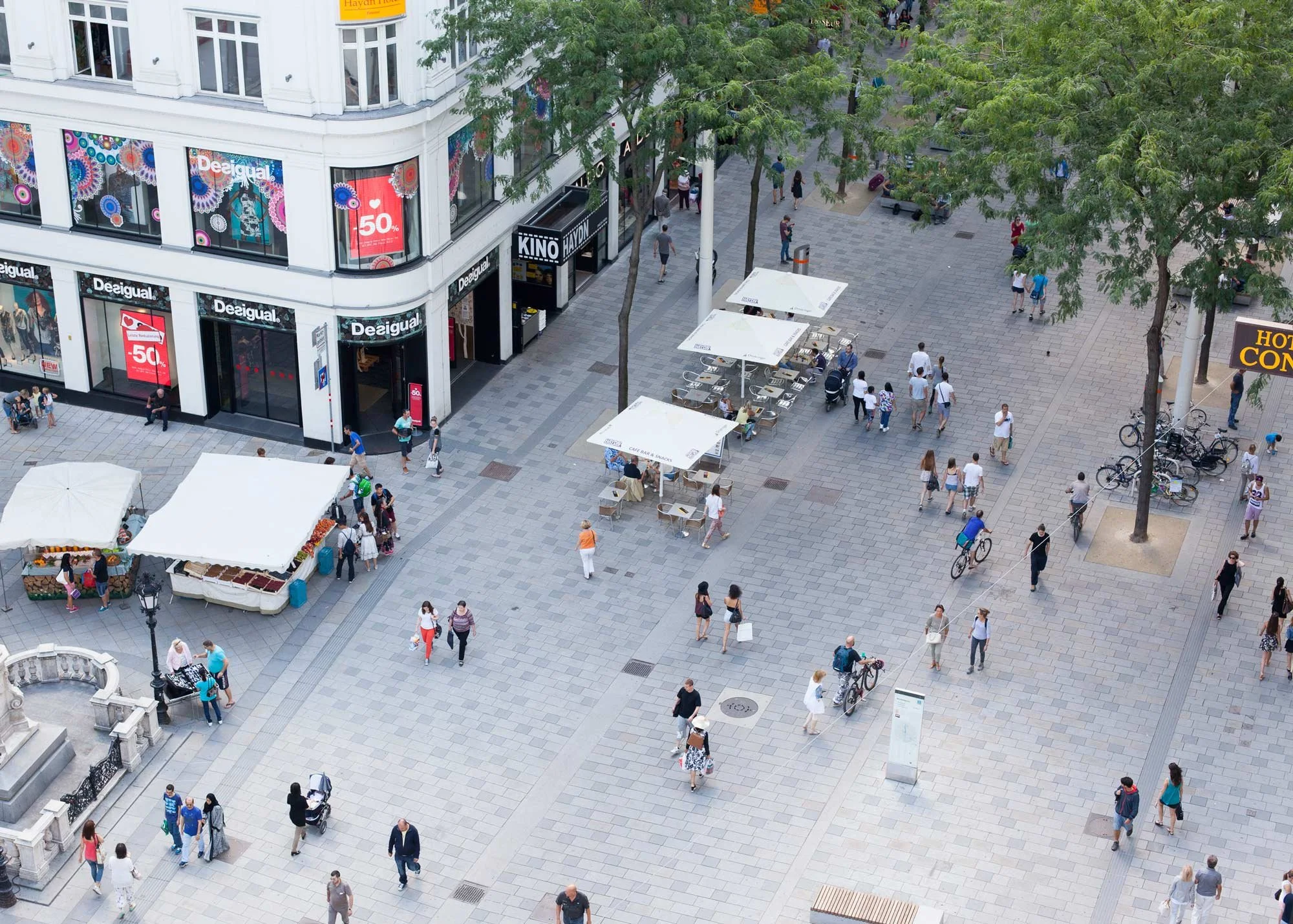
Strong communities don't happen by chance—they're designed. Explore research-backed strategies that build social capital through walkable neighborhoods, third places, shared spaces, and thoughtful urban design to create healthier, more connected, and resilient communities.
Design With Love: Creating Spaces That Spark Joy and Emotional Support
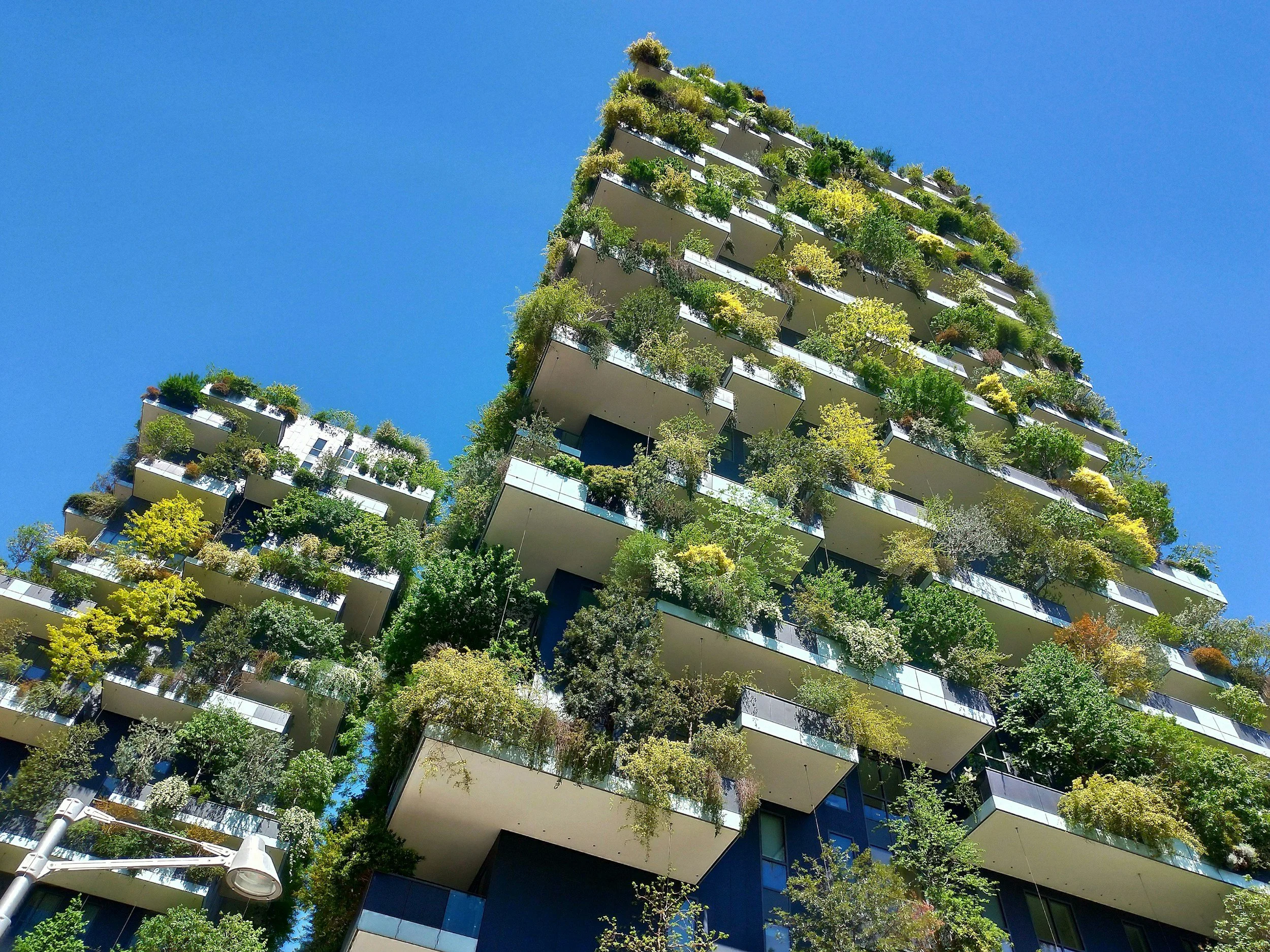
What if the spaces we design could actively help people heal, connect, and thrive? This issue explores how biophilic design, sensory experiences, and designing with love can create environments that nurture emotional wellbeing, reduce stress, and foster lasting human connection.
Building Healthier Communities: 5 Project Examples to Inspire You
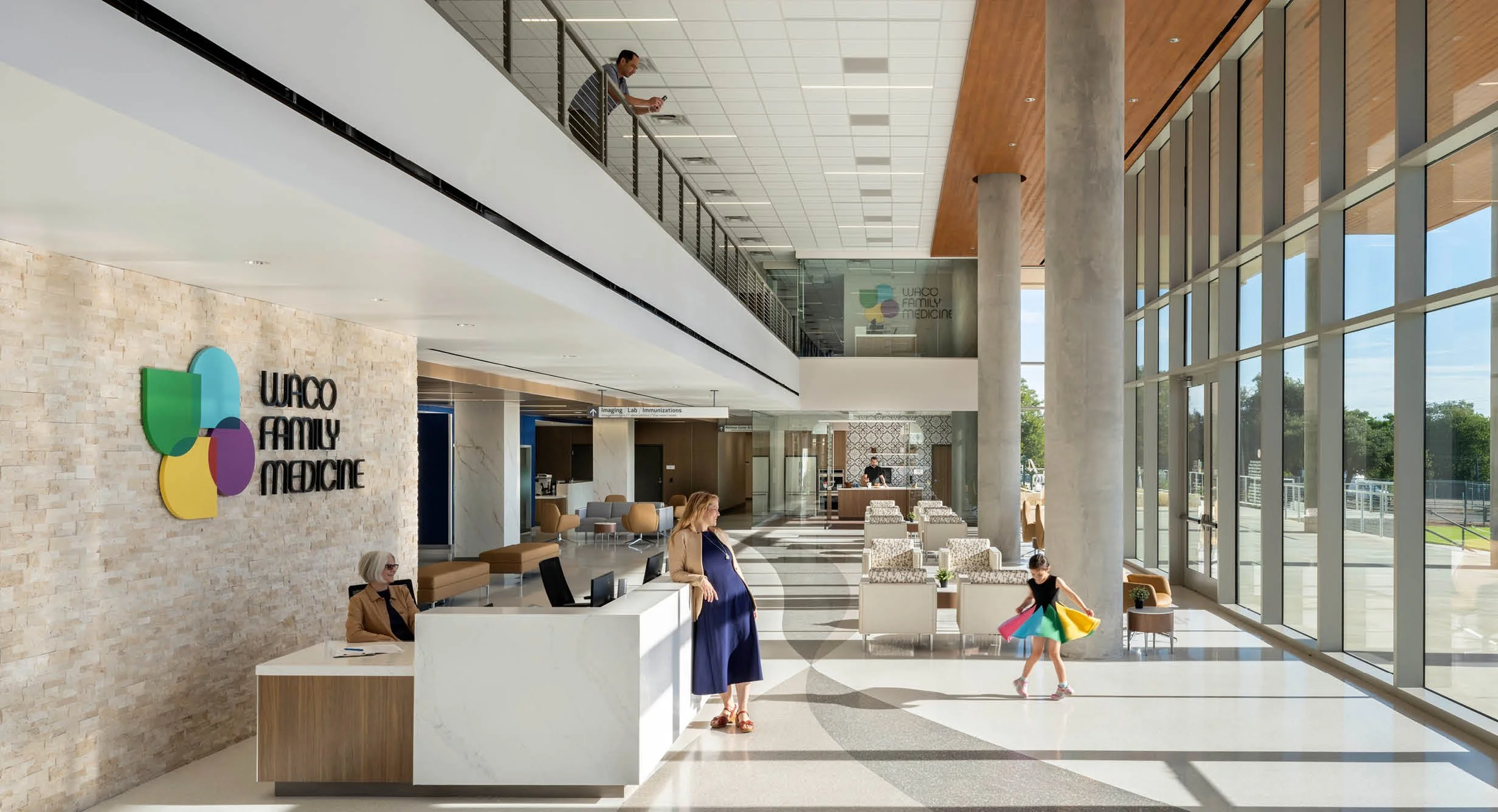
How can design create healthier, more equitable communities? Explore five inspiring projects that demonstrate how evidence-based, human-centered design improves well-being, strengthens social connection, and transforms healthcare environments into places of dignity, healing, and belonging.
Designing for Solitude: The Power of Positive Spaces
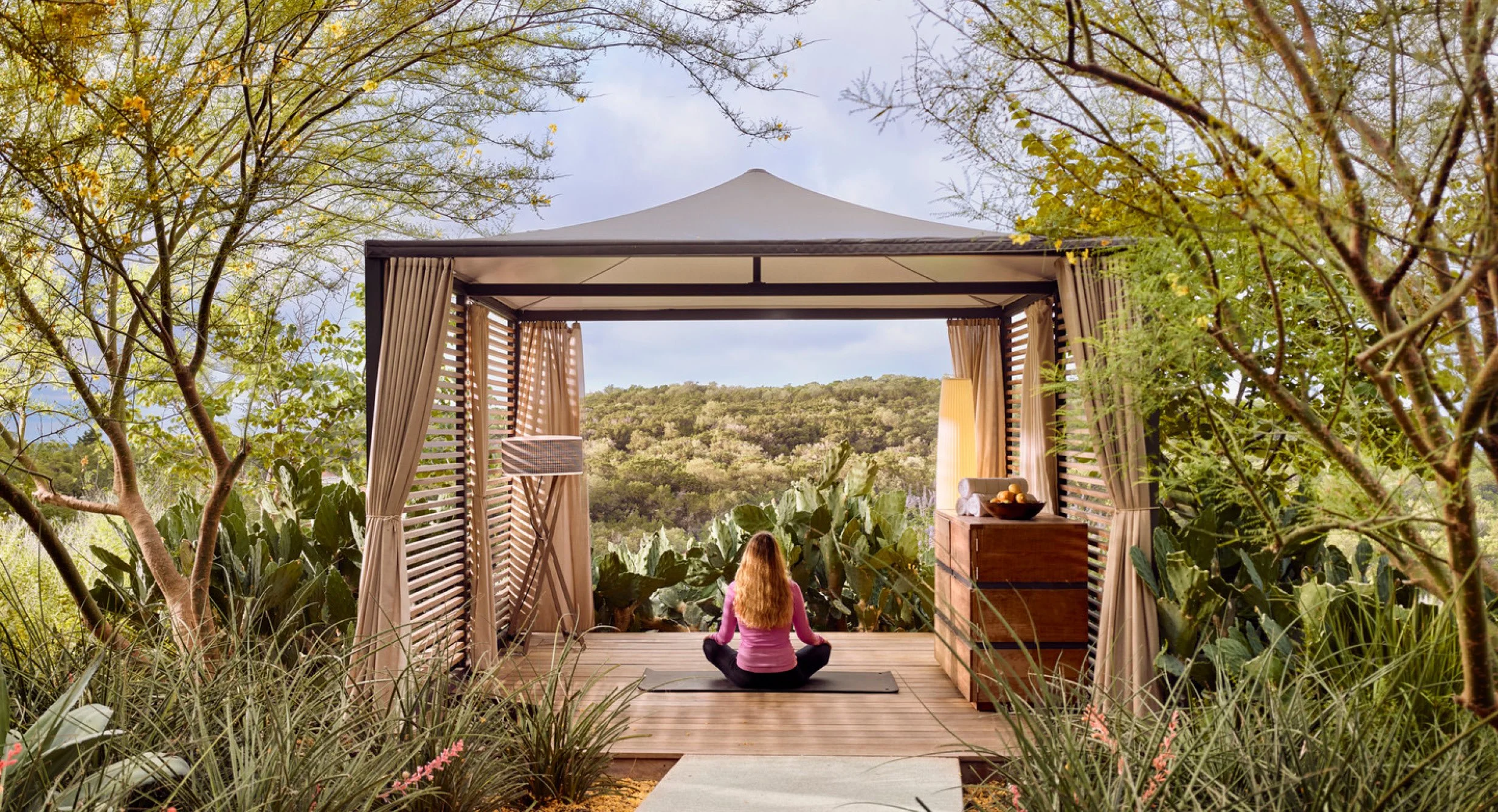
Great places don't just encourage connection—they also create space for reflection. Explore how positive solitude, biophilic design, human-scale spaces, and inclusive environments help people recharge, improve well-being, and return to community with renewed energy.
Rethinking the American Dream
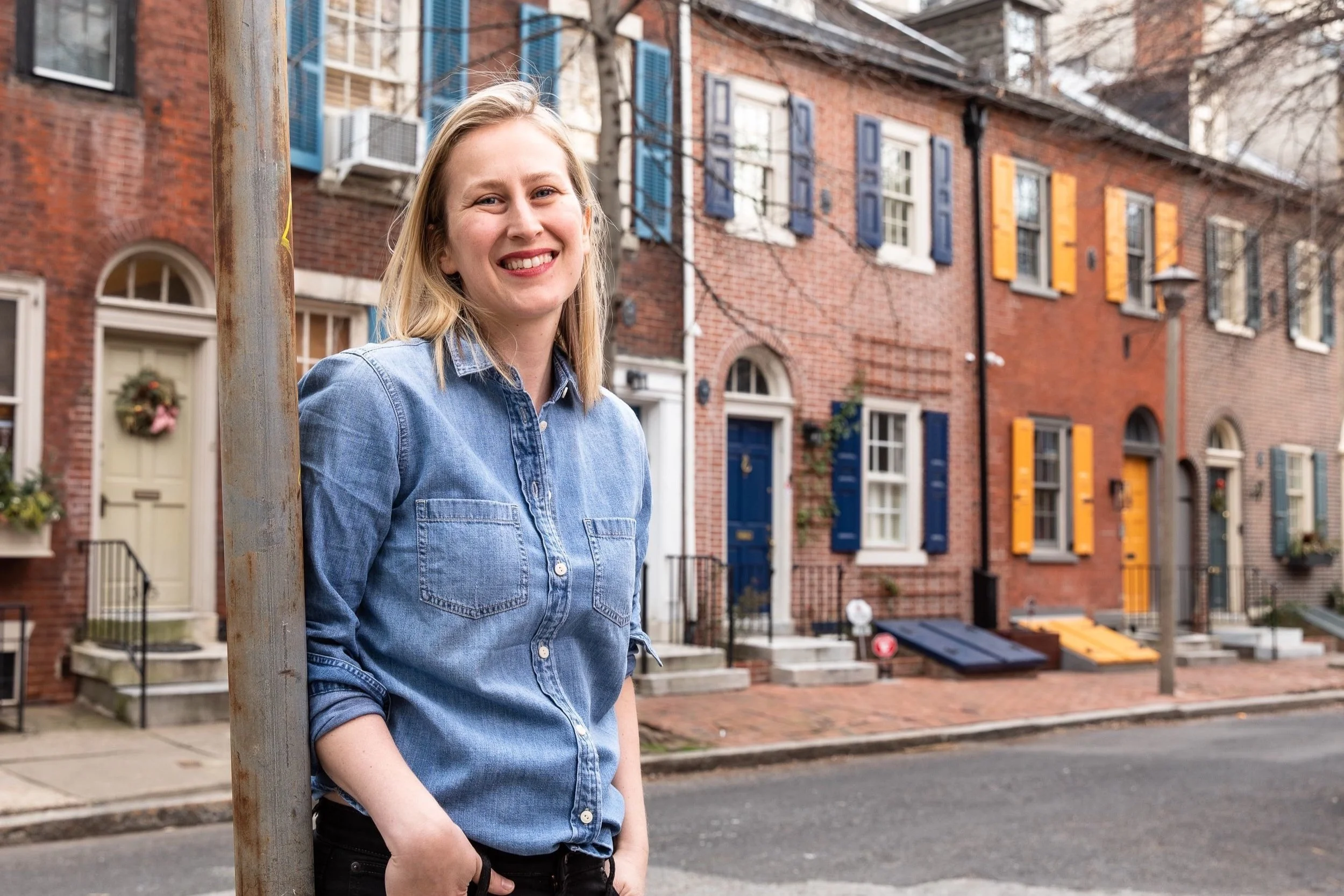
Is the single-family home the only path to a fulfilling life? Inspired by urban policy expert Diana Lind, this issue explores how rethinking housing, neighborhood design, and community can create greater belonging, equity, and well-being for everyone.
Designing for Inclusion as Advocacy
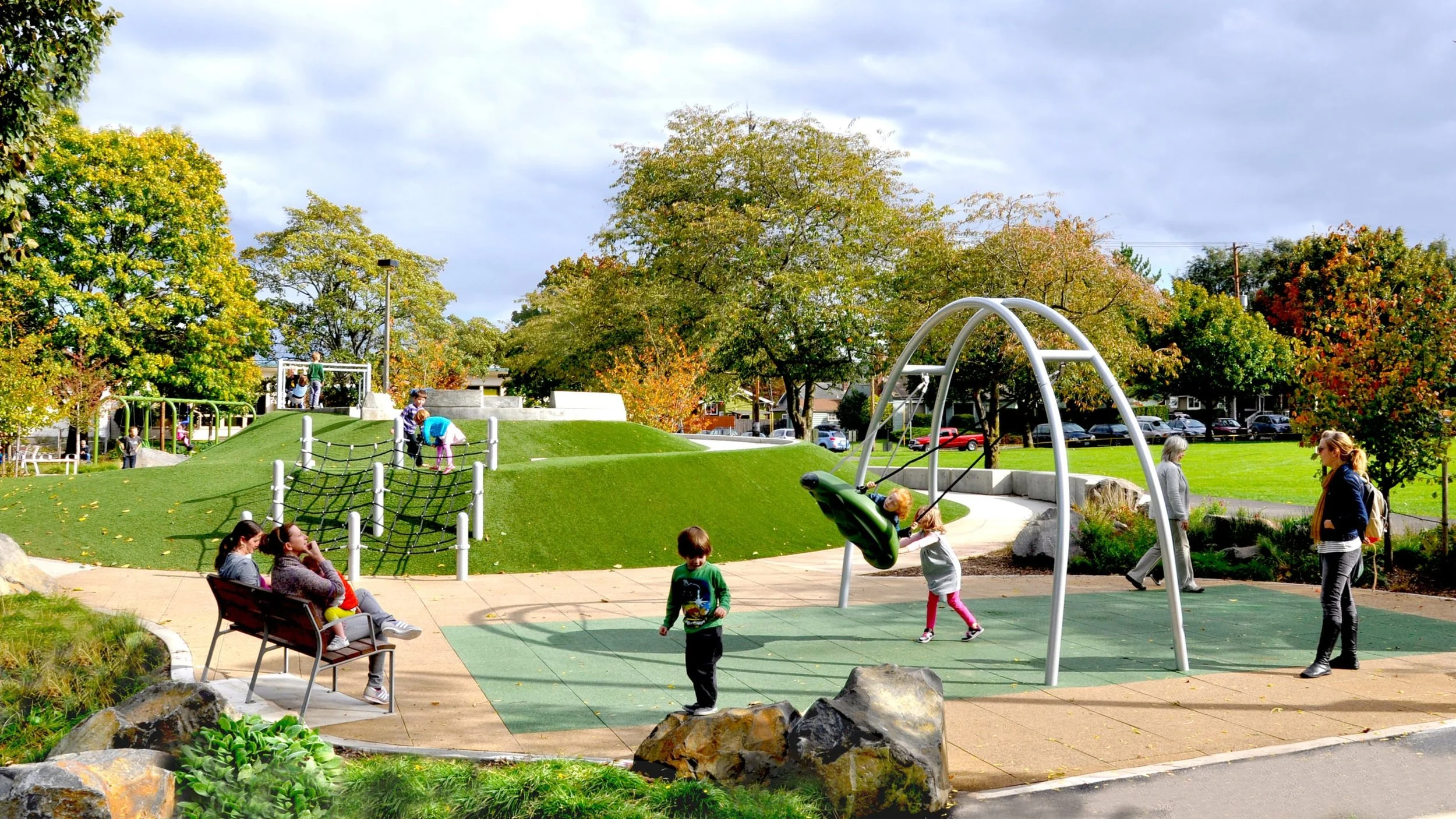
Inclusive design is more than accessibility—it’s about belonging. Inspired by G Cody QJ Goldberg and Harper’s Playground, this issue explores how empathy-led design creates spaces where people of all abilities can connect, play, and thrive together.
How to Design for Inclusion
The built environment can exclude — or embrace. Sometimes, it takes heartbreak to spark change.

Beyond Beauty: Architecture That Heals
What if architecture could do more than look beautiful—what if it could help us heal? This issue explores how thoughtful design influences mental health, well-being, and belonging, featuring insights from architect Tye Farrow on creating spaces that restore, connect, and nurture us.
Beyond Beauty: Architecture That Heals
We often think of architecture in terms of beauty, function, or innovation—but what if architecture could help you heal?
