

PANACHe · Dimension Six of Seven
Human Scale
Weaving Comfort into the DNA of a Place
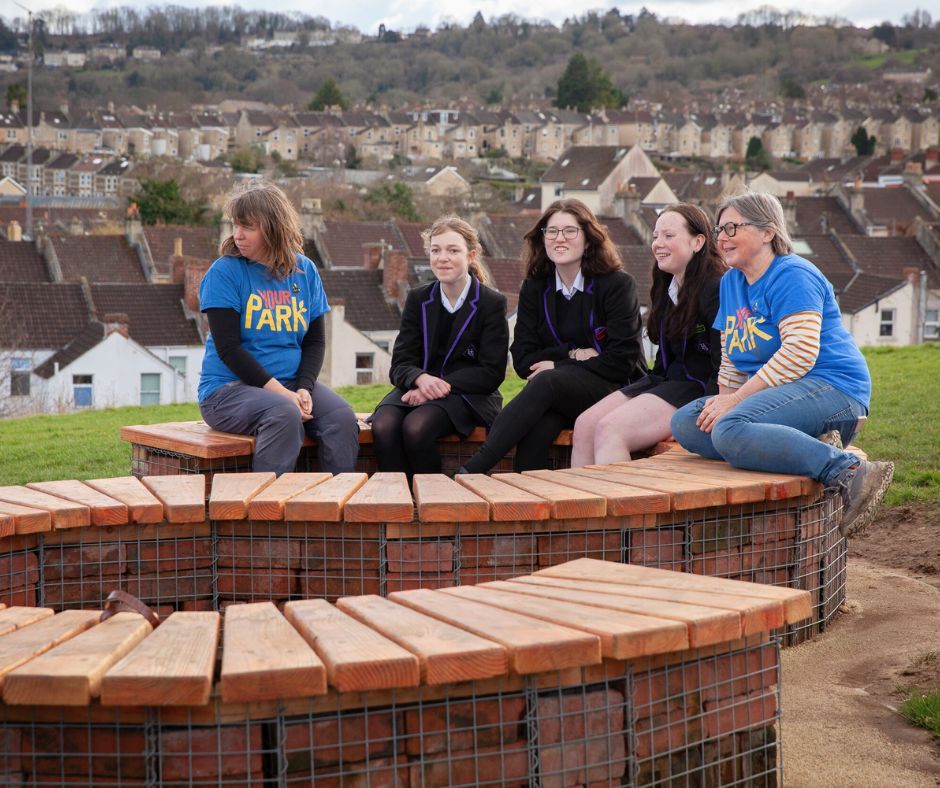
Human-scale design uses detail and proportion to make a space feel comfortable to move through or occupy, often for reasons people can't quite articulate. City blocks designed at the human scale promote lingering and interaction; blocks with long, monotonous storefronts measurably raise stress and speed up walking pace. That's not theoretical: researchers studying a Whole Foods in New York City found that despite the company's intent to feel like a neighborhood grocery, its expansive glass storefront actually repelled passersby, who walked faster to get past it. The same stress response to ornament-free, monotonous space has shown up in both human and animal research.
The core mechanism here is prospect and refuge: spaces that offer enclosure while still letting you see out, like a porch or a patio pergola. If you've ever felt pulled toward a cozy booth or the base of a tree, that's prospect and refuge at work, a dual sense of security and openness that helps people deepen existing bonds and form new ones.
How Human Scale Shows Up
Across every project, Human Scale operates on three interdependent levers: what's built, what's programmed, and what's permitted.
Add architectural detail and variety at eye level
Provide pedestrian-level enclosure — patios, awnings, overhangs
Encourage front porches — shown to increase neighbor bonding
PHYSICAL ENVIRONMENT
Connect people to street life — patio dining, walking groups, markets
Match activity to scale — support groups in warm, cozy rooms, not vast ones
PROGRAMMING
POLICY
Require developers to dedicate a share of space to shared public assembly
Mandate foliage-dense greenspace (10%+) in new builds and renovations
CASE STUDY - Miracle Mile & Giralda Avenue, Coral Gables, FL
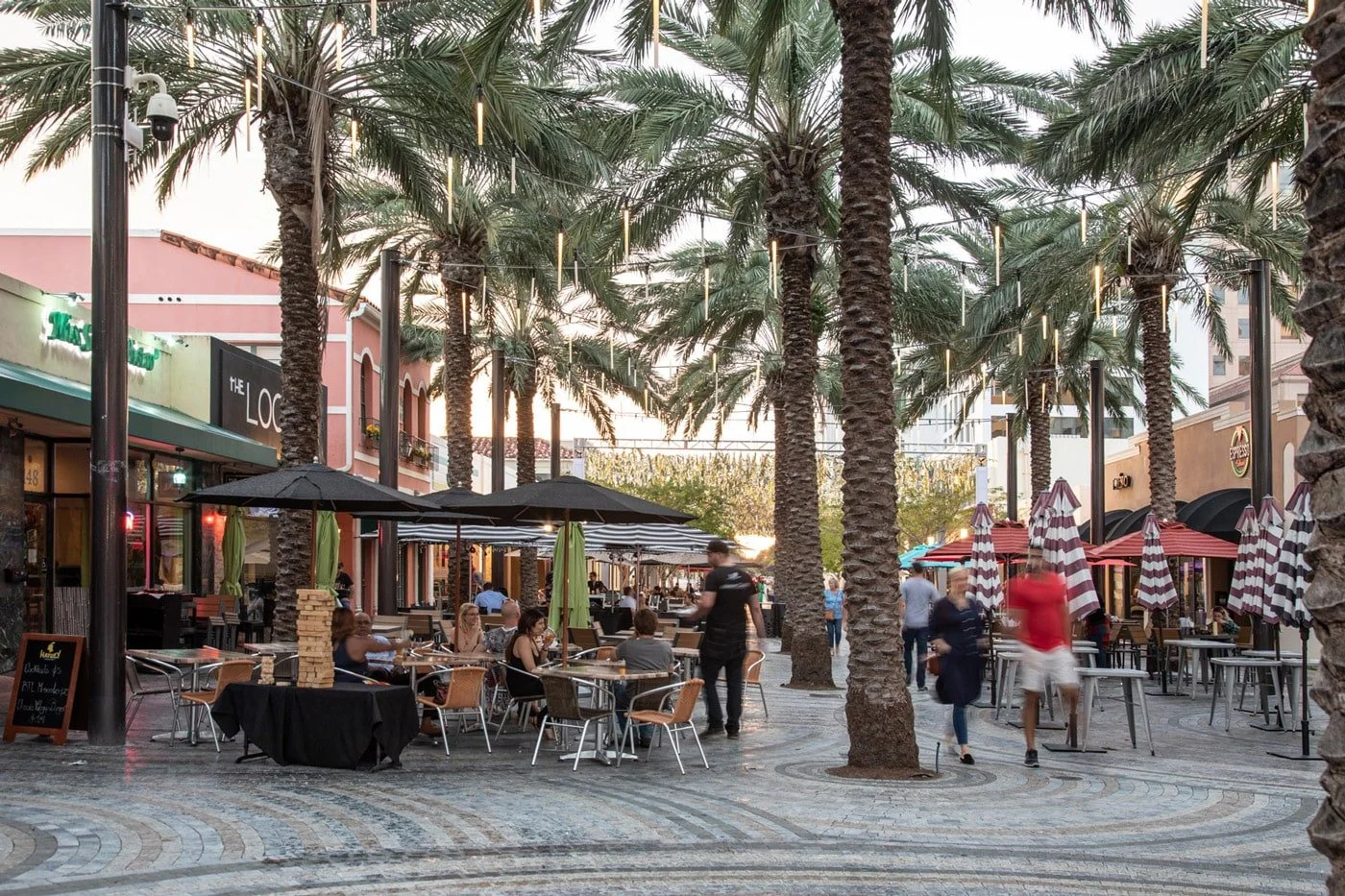
A four-lane roadway was converted into a plaza resembling a European piazza: trees, umbrellas, string lights, and a brick-paved walkway drawing people out of nearby restaurants to gather, and occasionally dance. City leaders pushed the project through over objections that it would cut parking and hurt access. A year after completion, shop owners reported the area was measurably more vibrant, with more people choosing to walk from nearby rather than drive.
References
Montgomery, 2018 Colin Ellard, 2015; "Places of the heart: The psychogeography of everyday life"Salingaros, 2014; "Complexity in Architecture and Design"Dosen & Ostwald, 2016 "Evidence for prospect-refuge theory: a meta-analysis of the findings of environmental preference research"Kathryn Bayne, 2018; "Environmental enrichment and mouse models: Current perspectives"See how a place measures up
Take the PANACHe assessment to evaluate an existing space, review a proposed design, or compare design options across the seven dimensions.