

PANACHe Fourth Dimension
Activation
Programming places from Ordinary to Extraordinary.
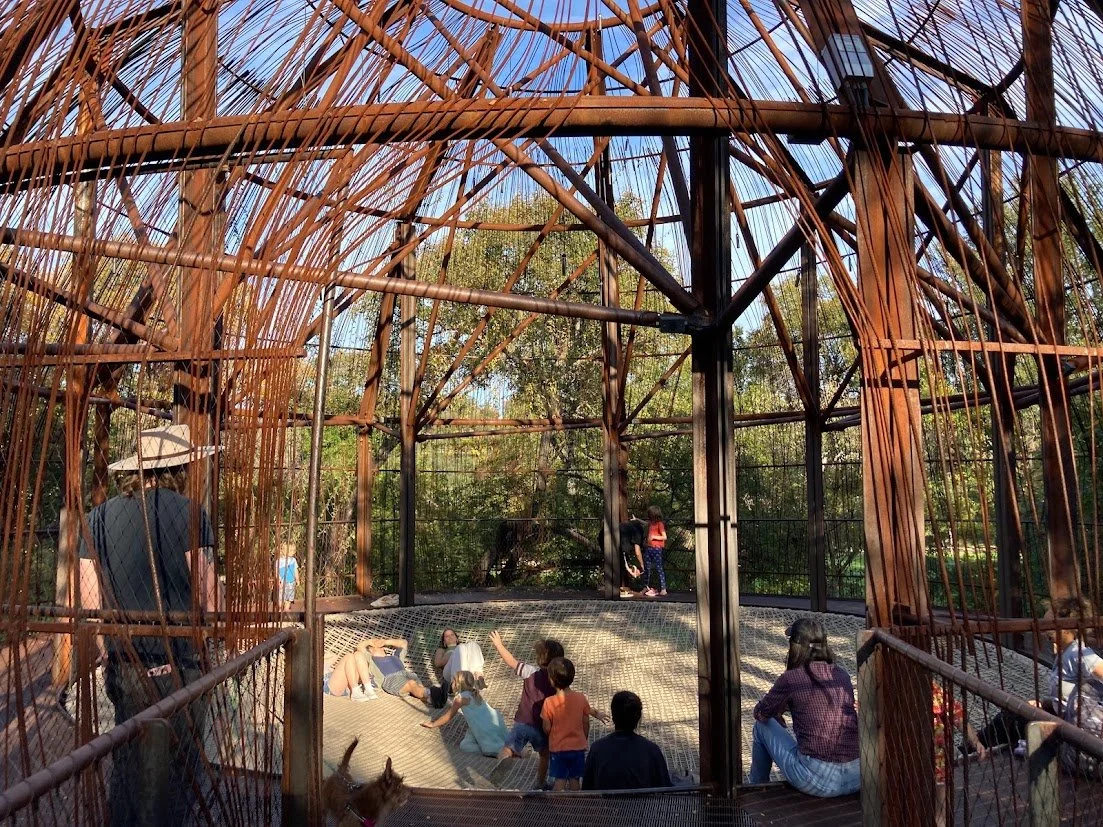
As landscape architect Jan Gehl put it: "social activity is the fruit of the quality and length of the other types of activities, because it occurs spontaneously when people meet in a particular place."A good third place has to intentionally serve people's full range of needs: quiet focus as much as socializing.
What that looks like changes by setting. A coffee shop needs both meeting space and quiet corners; a library needs reading circles for kids alongside cubicles for solo work; a workplace needs lunch tables at the crossroads of foot traffic, plus room for the whole team to gather. Mixing housing, work, and activity in one area keeps a place alive day and night, and creates natural safety through what Jane Jacobs called "eyes on the street."Sometimes the most effective move is a "purposeful inconvenience," a single shared bathroom or entry point that funnels people through one place and slows them down enough to connect, a strategy used deliberately at both Pixar's Emeryville office and Zappos' Las Vegas headquarters.
How Activation Shows Up
Across every project, Activation operates on three interdependent levers: what's built, what's programmed, and what's permitted.
Mix land uses so amenities give people a reason to linger, not just pass through
Repurpose streets or plazas for temporary assembly: festivals, markets, events
Add focal points (public art, etc.) that double as conversation starters
PHYSICAL ENVIRONMENT
Schedule practical and recreational activities across demographics
Host exercise, art, or creative-expression classes open to the public
Organize recurring events — trivia, markets, holiday gatherings
PROGRAMMING
Talk to your neighborhood association about the value mixed-use adds
Streamline permitting for street fairs and markets: cost and hassle determine turnout
POLICY
CASE STUDY - Klyde Warren Park, Dallas, TX
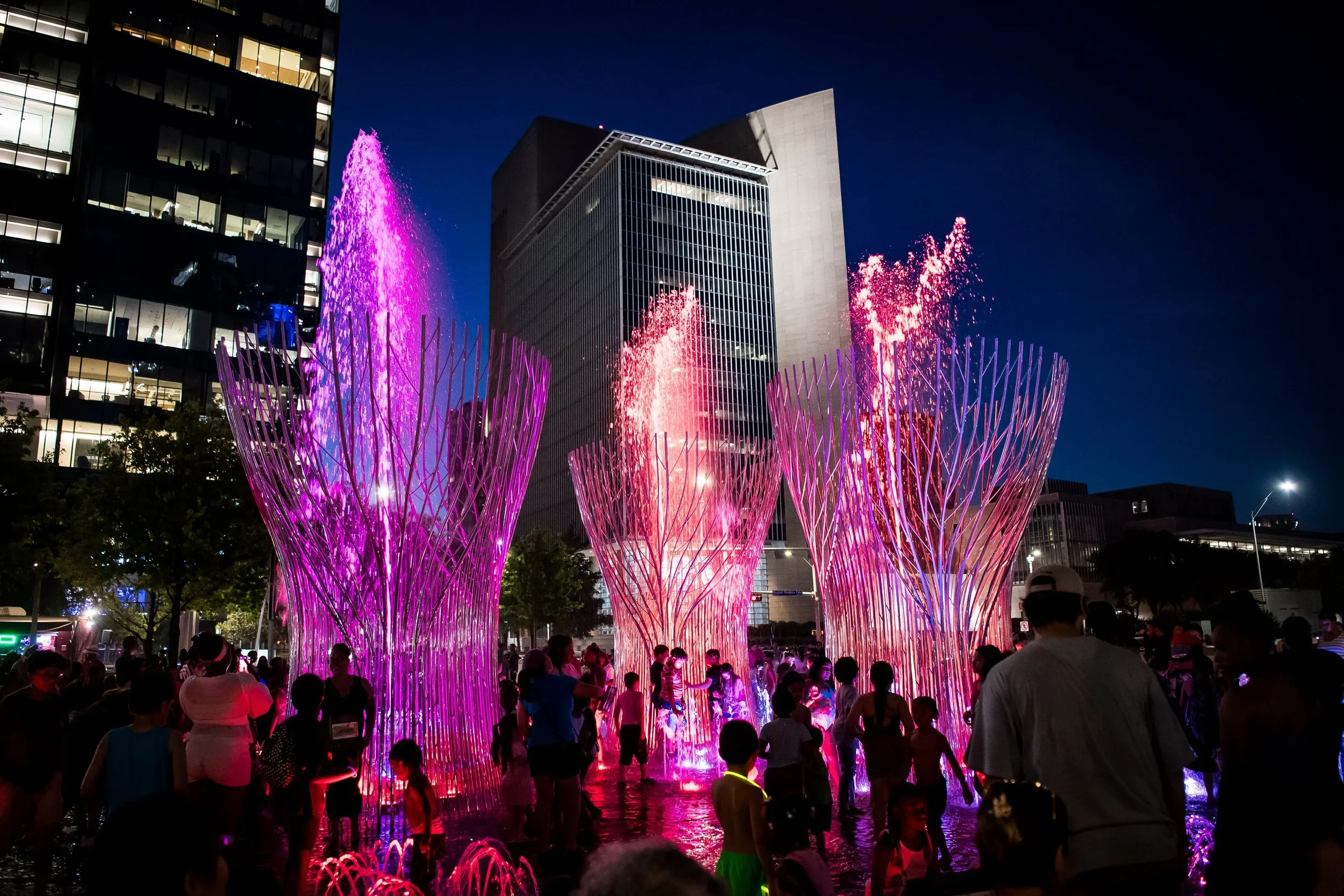
This 5.2-acre park was built over an eight-lane freeway that had physically divided downtown Dallas for decades. Designed as a year-round draw with concerts, adventure play, and a food-truck scene packed at lunch, it deliberately mixes small environments within one space so different groups have different reasons to show up, bringing people from across backgrounds together into what becomes, if only temporarily, a shared identity.
References
Gehl, J. "Jan Gehl, Public Space and Commercial Culture in Central Sydney.

Jessica Finlay., 2019; "Closure of 'third places'? Exploring potential consequences for collective health and wellbeing"
Montgomery, 2018; "Reporting randomised trials of social and psychological interventions: the CONSORT-SPI 2018 Extension"Eric Klinenberg, 2018. "Palaces for the People: How to Build a More Equal and United Society"
Jacobs, J. (1961). "The Death and Life of Great American Cities. Random House."LeHeR 2012, a simple novel approach for difficult airway in non-trauma patients
See also Cabrera & Najarian, 2015. "How the Built Environment Shapes Spatial Bridging Ties and Social Capital"See how a place measures up
Take the PANACHe assessment to evaluate an existing space, review a proposed design, or compare design options across the seven dimensions.