

Writing on Social Health, Design for Connection, and The Built Environment

Places for Connection & Community
Why the design of your neighborhood, workplace, and public spaces may be one of the most overlooked contributors to loneliness — and what the evidence says about changing it.

Is Your Environment Making You Lonely?
Co-authored with loneliness researcher Julianne Holt-Lunstad: the surprising evidence that your environment — not just your personality or effort — is shaping your social health.

Built Environments to Foster Social Health
The research report that brought together the evidence on how built environments can reduce loneliness and foster social health — with design guidelines anyone can apply.
Research & Publications
The evidence base underlying the practical work — for researchers, designers, and policy professionals.

Designing for Clinician Teamwork.
The physical environment is an important part of a system that facilitates teamwork.
Published in Environment & Behavior.

Evidence-Based & Research-Informed Design.
In recent years, EBD has experienced broad adoption, yet it has been simultaneously critiqued for rigidity and misapplication. Published in Health Environments & Design Journal.
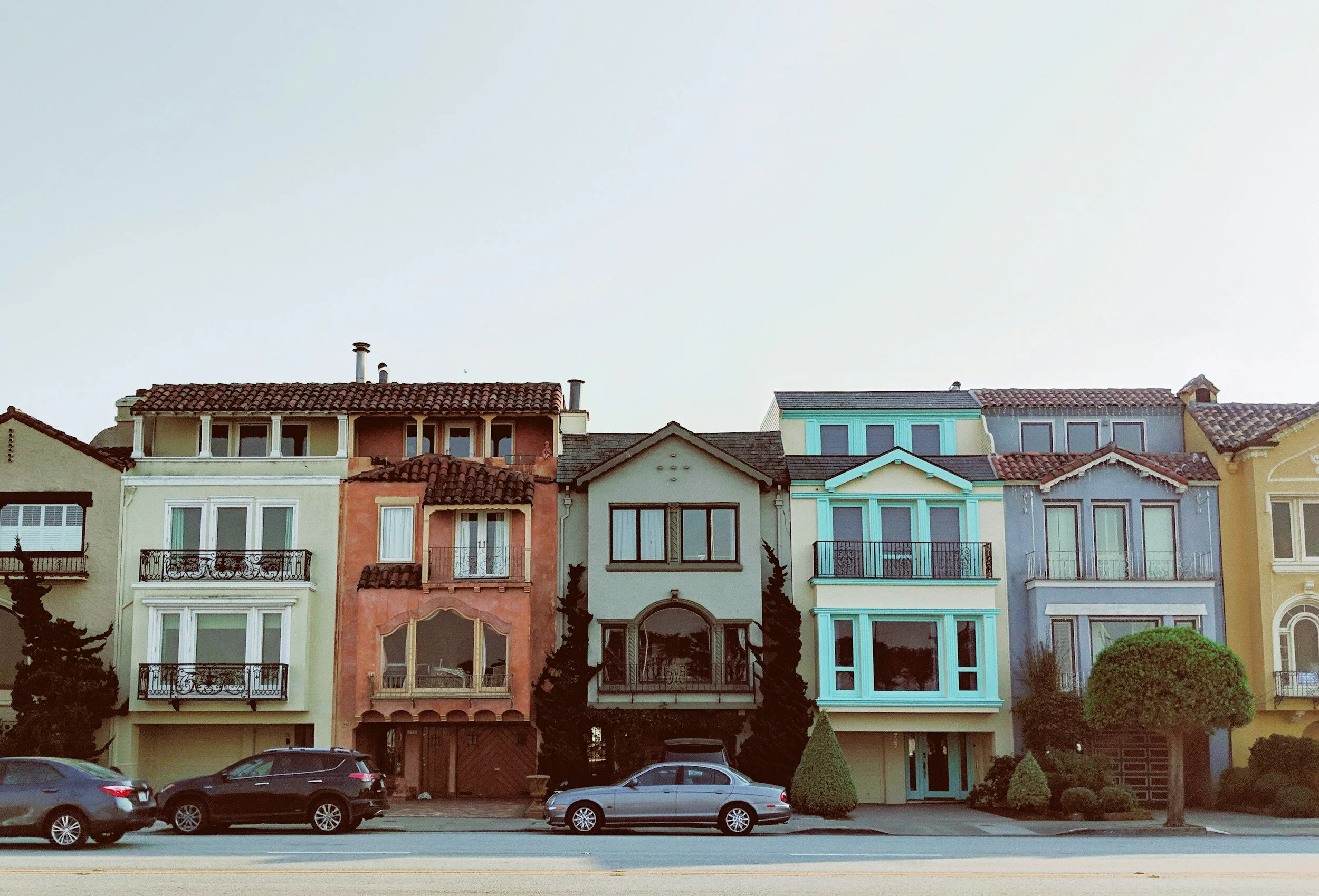
Environments to Foster Social Health
Design interventions for physical environments—structures, spaces, and soundscapes, for example—can foster social connection, support, and resilience. Published in JAMA Ethics