

PANACHe · Dimension Seven of Seven
Evolution
Designing for Change
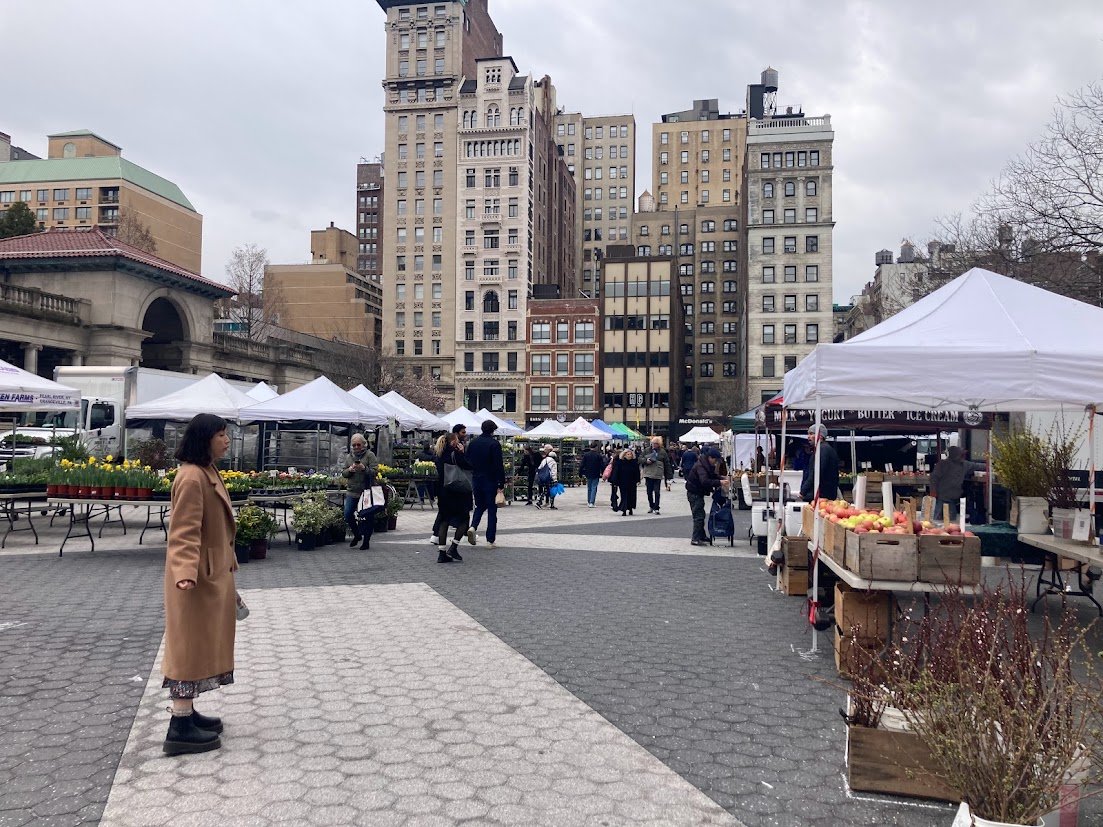
Evolution is the capacity of a place to adapt over time, through flexible design, experimentation, participation, feedback, stewardship, and changing patterns of use.
Every other PANACHe dimension describes a fixed condition: how a place looks, feels, or functions on a given day. Evolution is different; it introduces time. Places aren't finished when construction ends. Communities change, needs change, and a place that works well on opening day can become rigid, exclusionary, or obsolete if it can't respond. Evolution asks whether an environment, and the people who steward it, can keep learning and adapting rather than staying frozen at the moment it opened.
How Evolution Shows Up
Across every project, Evolution operates on three interdependent levers: what's built, what's programmed, and what's permitted.
Design for flexibility: movable furniture, modular elements, multi-use zones
Preserve and layer history through adaptive reuse of existing buildings or materials
PHYSICAL ENVIRONMENT
Pilot before permanent investment: pop-ups, temporary closures, test events
Invite ongoing participation — advisory boards, volunteer days, micro-grants for local programming
Measure and iterate: track use and feedback to refine over time
PROGRAMMING
Allow temporary approvals and phased implementation
Create budgets for post-opening adaptation, not just construction
Clarify who holds responsibility for long-term stewardship
POLICY
CASE STUDY - Parque Biblioteca España, Medellín, Colombia
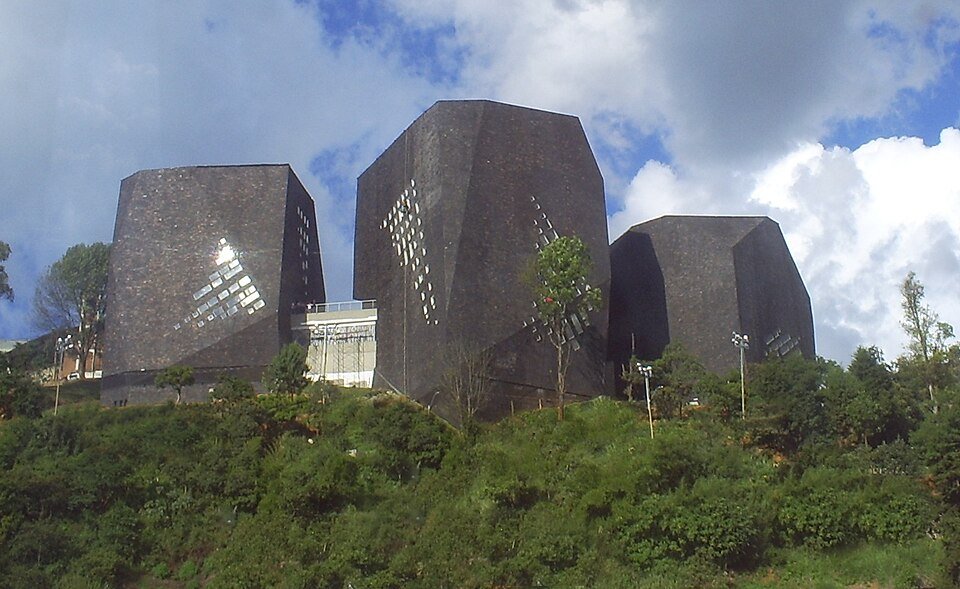
In the early 2000s, Medellín was defined by inequality and violence. Rather than turning inward, the city, under Mayor Sergio Fajardo, invested in a network of Library Parks: libraries, plazas, and cultural spaces built deliberately in its most stigmatized neighborhoods, including Comuna Santo Domingo. Each was co-designed with local residents, and the sites evolved organically over time, terraces became amphitheaters, steps became gathering spaces, and new micro-economies emerged around the plazas. Research has since linked the project to reduced crime, increased public trust, and expanded access to education in the surrounding community.
Further Reading
Lydon, M. & Garcia, A. (2015). "Tactical Urbanism: Short-Term Action for Long-Term Change"

Brand & Dávila, (2011) "Mobility innovation at the urban margins: Medellín's Metrocables"

Echeverri & Orsini, (2010) "Informality and Social Urbanism in Medellín"
See how a place measures up
Take the PANACHe assessment to evaluate an existing space, review a proposed design, or compare design options across the seven dimensions.