

PANACHe Fifth Dimension
Choice
Finding joy in variety, flexibility, and control.
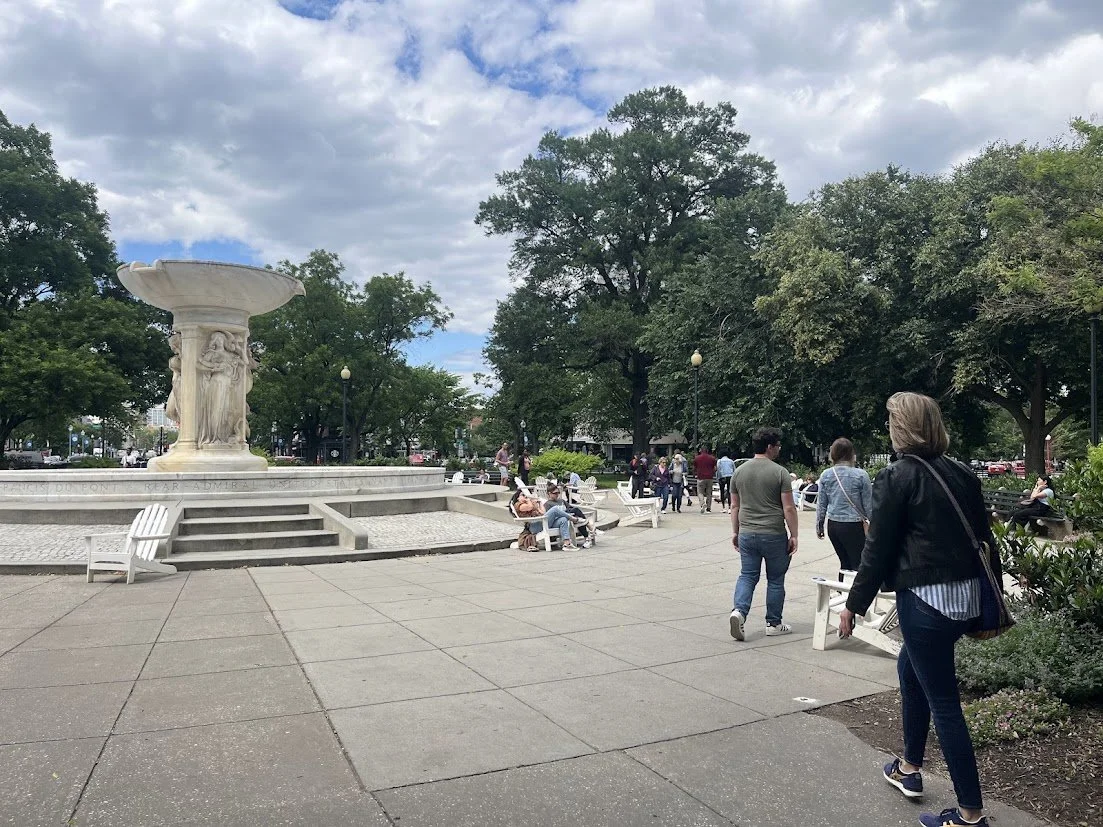
Places that offer real variety and flexibility let people control how they use a space, and that control itself creates comfort. The underlying idea is person-environment fit: the ability to choose or adjust a setting to match your own needs, whether that's booth seating for privacy or a communal table for company. This is also the territory of proxemics, Edward T. Hall's study of how people manage the changing, situational distance they want from strangers, acquaintances, and friends, which is why offering a genuine range of seating types isn't decorative; it's functional.
Good third places support both gathering and privacy, across ages and abilities: a reading corner or a jungle gym for kids, and the ability to choose which to use. In workplaces, this shows up as the "we, me, us" balance, letting people control where they sit and how formally or informally they engage, rather than forcing one mode on everyone.
How Choice Shows Up
Across every project, Choice operates on three interdependent levers: what's built, what's programmed, and what's permitted.
Use movable seating so people can adapt location and group size
Give people the choice to be the center of attention or an observer on the periphery
Offer shared seating (communal tables) that puts people in proximity, plus private options
PHYSICAL ENVIRONMENT
PROGRAMMING
Offer programming across ages, interests, personalities
Mix quiet/low-key options (chess, people-watching) with loud/energetic ones (dances, concerts)
POLICY
Involve local stakeholders in design; their feedback fits the space to real needs
CASE STUDY - Maggie's Centres, United Kingdom
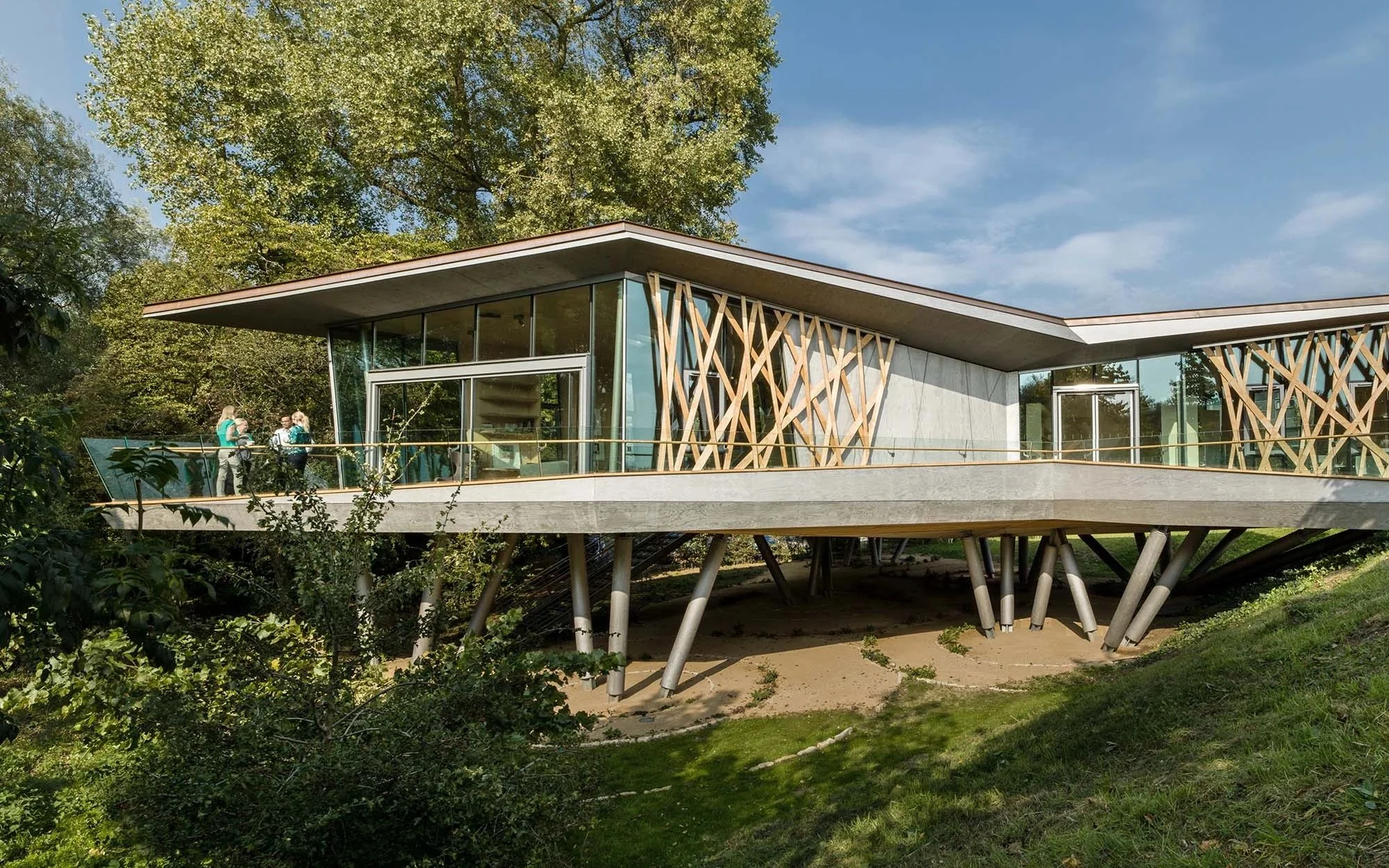
These cancer-support centers, sited next to major hospitals, function as a "second home" for patients and survivors, combining a couch and a book, spontaneous socializing with fellow survivors, and formal support groups, all in one building. Each center is designed by a different internationally recognized architect, but all share the same physical environment, programming, and policy strategy that lets people choose their own level of engagement on any given day.
References
Eva Kahana, Loren Lovegreen, 2003. "Person, Environment, and Person-Environment Fit as Influences on Residential Satisfaction of Elders"

Miho Matsui & Elizabeth Capezuti, 2008. "Perceived autonomy and self-care resources among senior center users"

Hall, E. T. (1966). The Hidden Dimension. Doubleday.

Finlay et al., 2019. "Closure of 'third places'? Exploring potential consequences for collective health and wellbeing"
See how a place measures up
Take the PANACHe assessment to evaluate an existing space, review a proposed design, or compare design options across the seven dimensions.