

World Brain Day + A Special Announcement
Yesterday was World Brain Day 2025 — a global initiative dedicated to "Brain Health for All Ages". It's also the perfect day to announce an exciting new collaboration that will transform how we understand the relationship between our built environments and our brains.
What questions do you have about the brain + built environment connection? How are you thinking of brain health in your own life?
Reply, share, and follow along — your insights will help shape this important work using #ProjectWHY
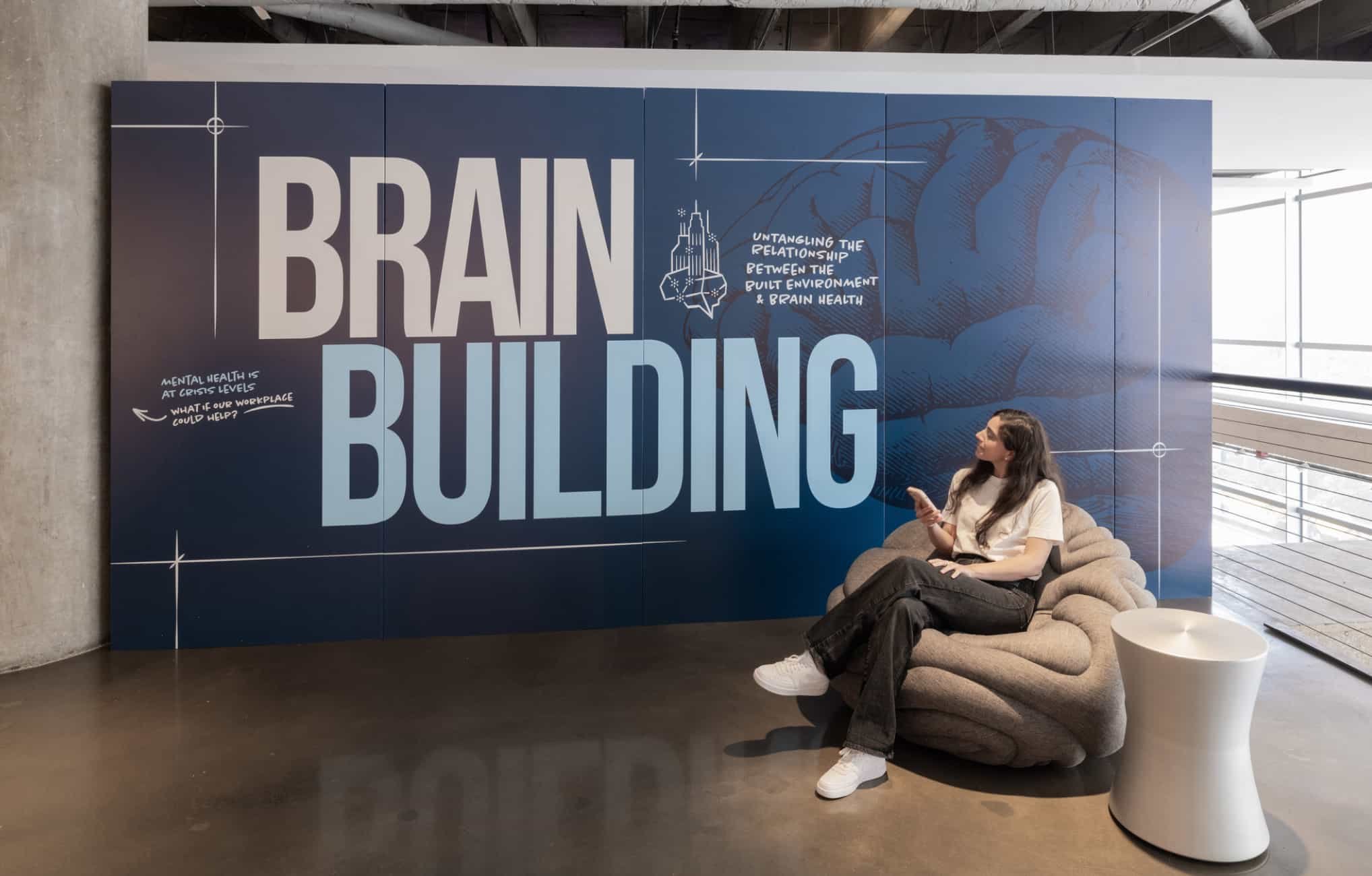
Introducing Project WHY: A Bold New Research Initiative
Why do some places feel like home? Why do certain environments inspire awe, spark connection, or help us feel at ease? These aren't just philosophical questions—they're at the heart of evidence-based design for mental, physical, and social well-being.
Today, HKS is proud to launch Project WHY, a groundbreaking research and design initiative exploring the profound connection between the built environment and the human brain. As a founding member of The Pedersen Collaborative—alongside the Academy of Neuroscience for Architecture (ANFA), Milken Institute, IAM Lab at Johns Hopkins, and the Pedersen Foundation—we're embarking on a mission to uncover new insights that help designers, scientists, and the public better understand how our surroundings influence human perception, performance, and well-being.
Huge shout out to our fearless leader and innovator, Dr. Upali Nanda for all her hard work over multiple decades to get us here!
Why This Matters for Built Environment Professionals
This collaboration represents a significant step forward in evidence-based design. By integrating neuroscience research with architectural practice, we can move beyond intuition to create spaces that actively support:
Cognitive function and learning
Emotional regulation and mental health
Social connection and community well-being
Stress reduction and healing
Brain-Healthy Design: Resources for Your Practice
To support your work in creating brain-healthy environments, here are evidence-based resources that align with Project WHY's mission:
The Neuroscience of Workplaces
Research shows that our work environments directly impact cognitive performance, stress levels, and social connection. Key findings from brain-healthy workplace design:
Natural light exposure regulates circadian rhythms and improves mood
Biophilic elements reduce cortisol levels and enhance creativity
Flexible spaces support different cognitive tasks and social needs
Resource: The ABCs of Creating a Brain-Healthy Workplace - Evidence-based strategies for workplace wellness

Source: Anchiy/Getty Images
HKS Atlanta Brain Health Research
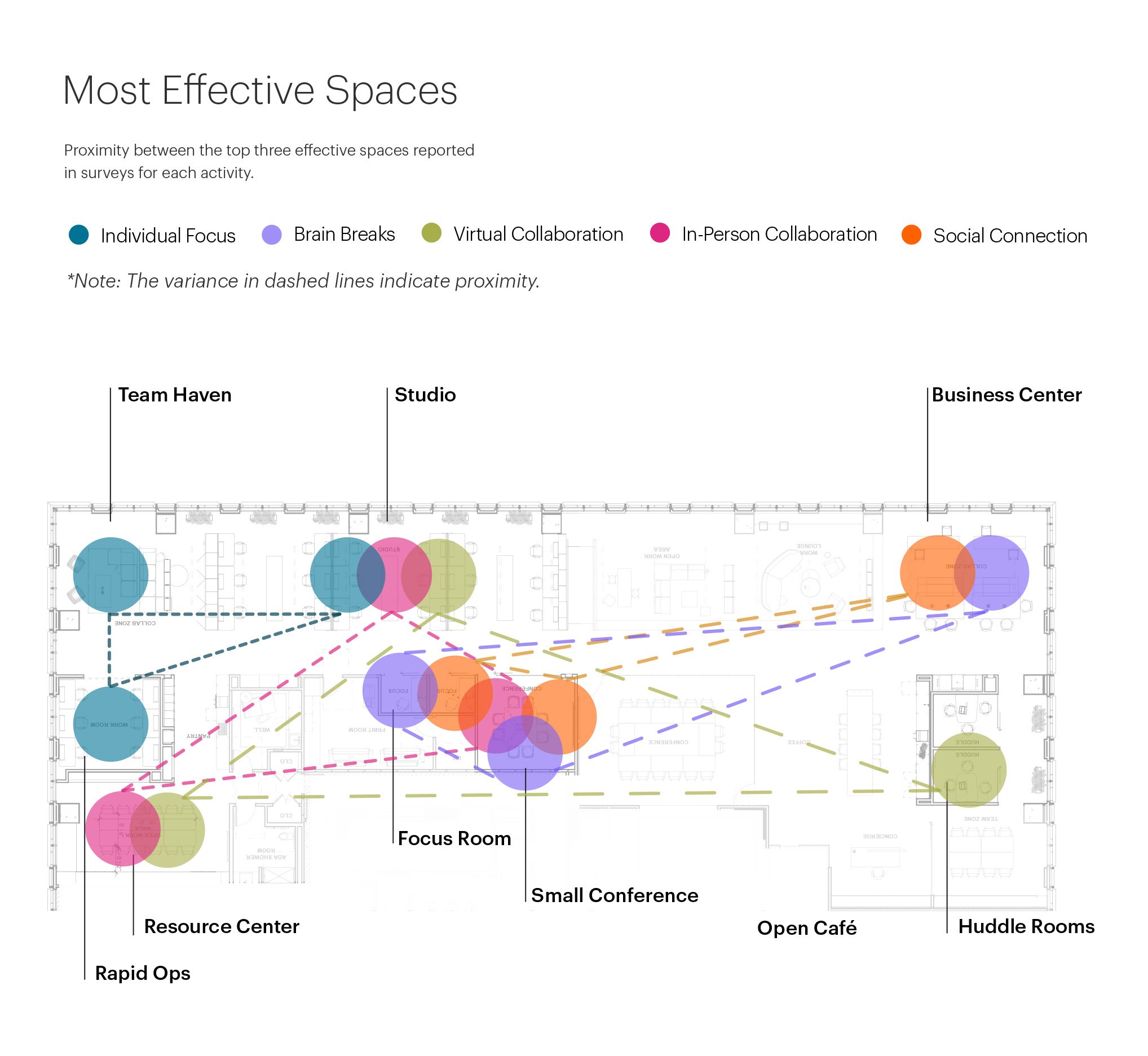
Our own research demonstrates how design interventions can measurably improve brain health outcomes in workplace settings. This study provides concrete data on how environmental modifications support cognitive function and well-being.
Resource: Unlocking Brain Health in Our Workplace: Findings from HKS Atlanta
The Science of Neuroaesthetics
The emerging field of neuroaesthetics—how our brains respond to aesthetic experiences—offers profound insights for design professionals. Susan Magsamen and Ivy Ross's groundbreaking work shows how making and engaging with art amplifies our physical and mental health.
Resource: Your Brain on Art: How the Arts Transform Us by Susan Magsamen & Ivy Ross. I share more information about this book on my Instagram:
Making art around our painful experiences: view reel
What are you doing for your brain today?: view post
Note: Susan Magsamen leads the IAM Lab at Johns Hopkins, a founding member of The Pedersen Collaborative alongside HKS.
The Academy of Neuroscience for Architecture (ANFA)
As Project WHY launches, it's worth highlighting ANFA's pioneering work since 2003. This nonprofit organization promotes knowledge linking neuroscience research to human responses to the built environment. Their research demonstrates that:
Specific architectural elements measurably impact brain activity
Spatial layouts influence stress, navigation, and social interaction
Evidence-based design can support healing, learning, and well-being
Your Role in Shaping What's Next
Join us! Follow along with #ProjectWHY to help shape the future of brain-informed design. Your engagement, questions, and insights will help guide this research toward practical applications that support human flourishing.
We believe the best solutions emerge when diverse voices come together. By sharing your perspective, you'll help us ask better questions and, ultimately, design better spaces.
How to Get Involved:
Follow #ProjectWHY on LinkedIn and Instagram
Share your questions and experiences about how environments affect well-being
Stay tuned for opportunities to participate in research and design challenges