


How You Arrive Shapes Who You Know
The ties that hold a community together aren't usually built through effort or intention. They're built through repeated presence in the same place at the same time. This piece explores the surprising science of how your commute, your transit stop, and the way your neighborhood is designed are quietly determining who you know — and who you never will.
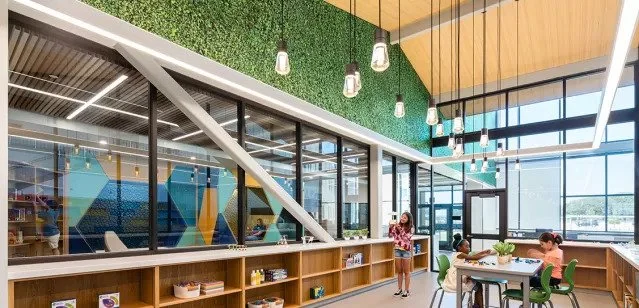
How School Design Can Help Children Feel Safe
What if the design of a school could help children feel calmer, safer, and more ready to learn? Explore how trauma-informed design uses nature, choice, and thoughtful spaces to reduce stress, support well-being, and create healing-centered learning environments for every student.
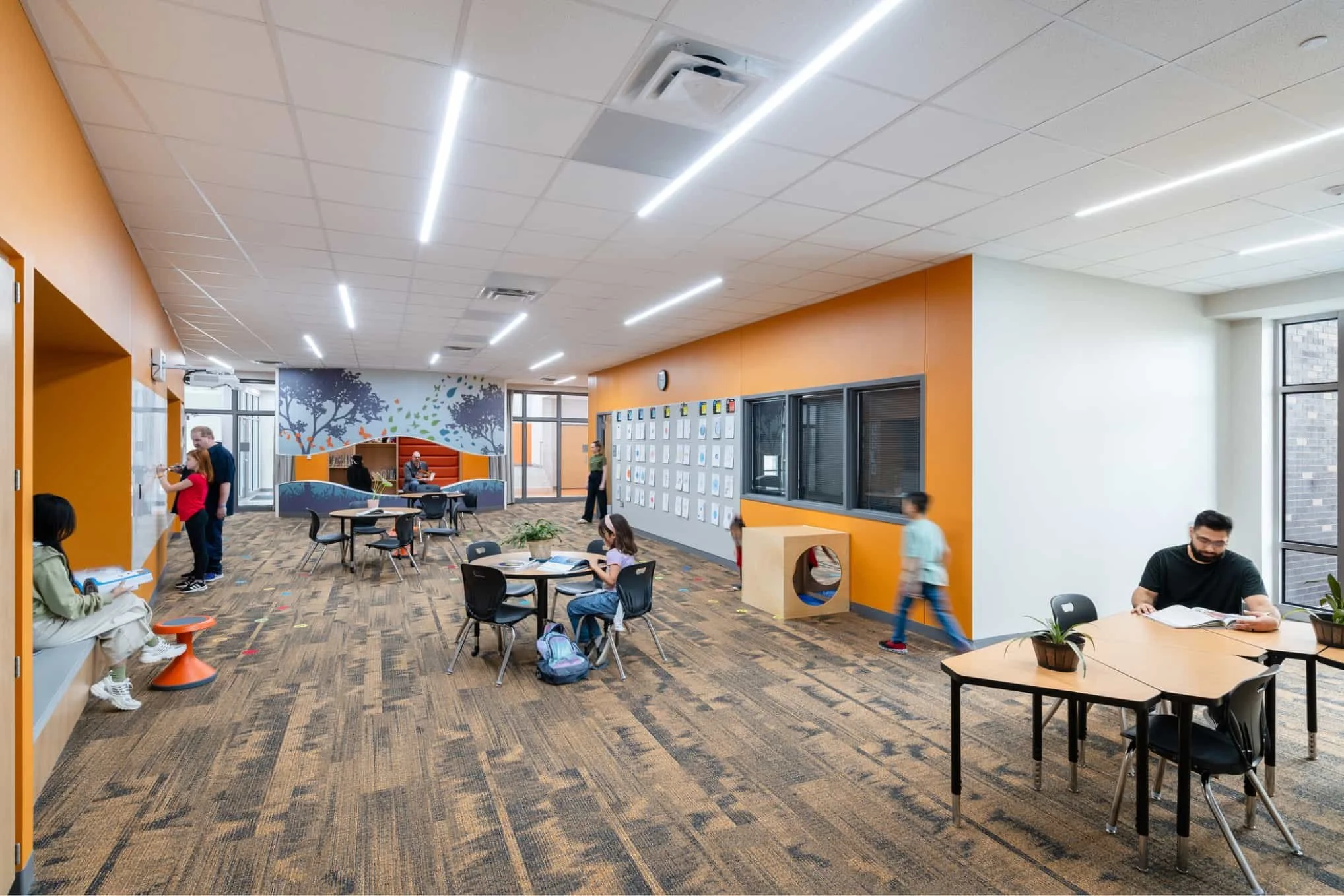
WHO 2025: Elevating Social Connection to a Public Health Imperative
The WHO's 2025 report reframes social connection as a global public health priority. Explore how loneliness affects health, why our built environments matter, and how designing schools, neighborhoods, and public spaces can foster stronger relationships and healthier communities.
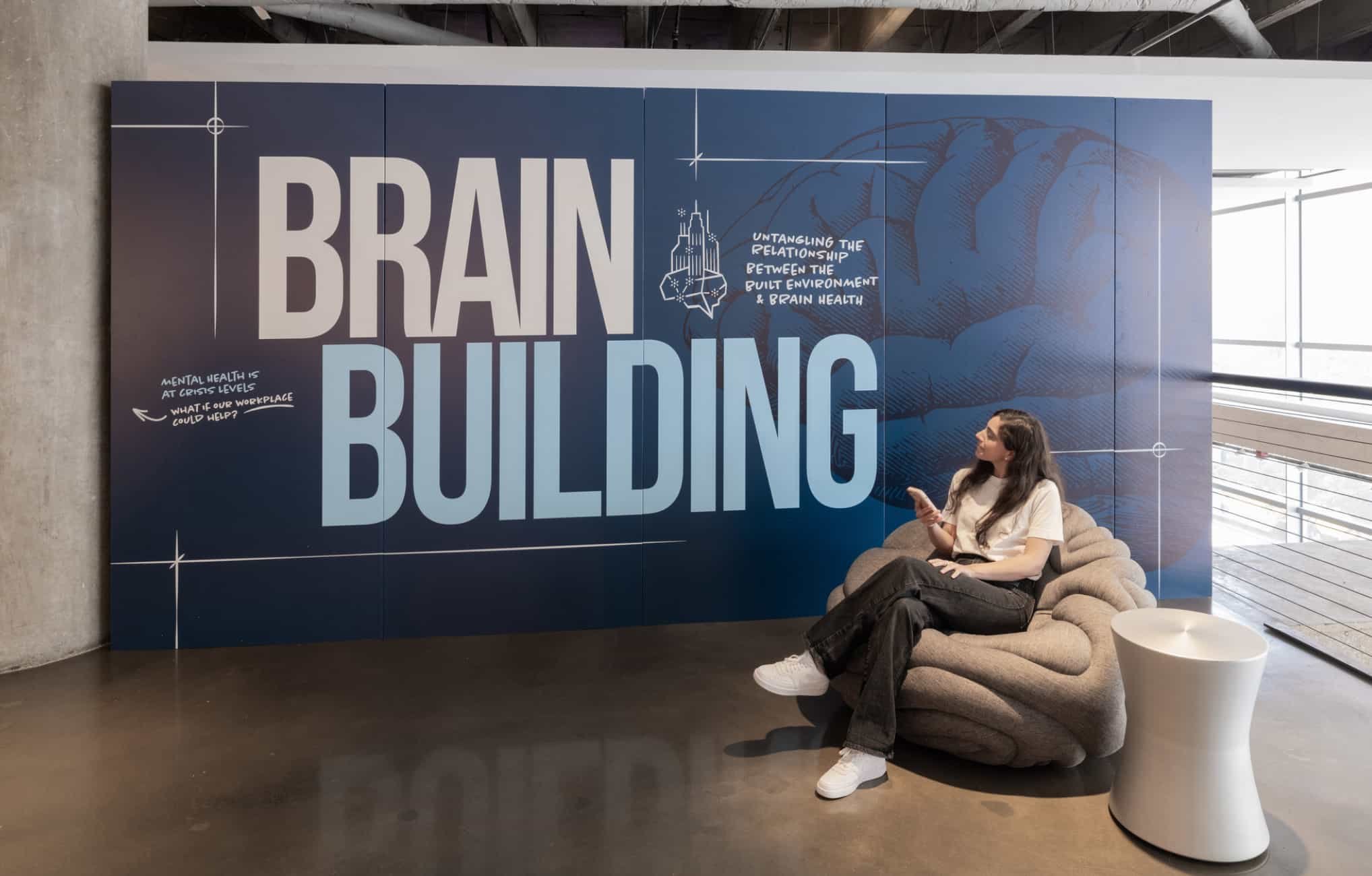
World Brain Day + A Special Announcement
What if the spaces we design could actively support brain health? Discover Project WHY, a groundbreaking collaboration exploring how neuroscience and the built environment shape cognition, well-being, and human connection—and how you can help shape the future of brain-informed design.
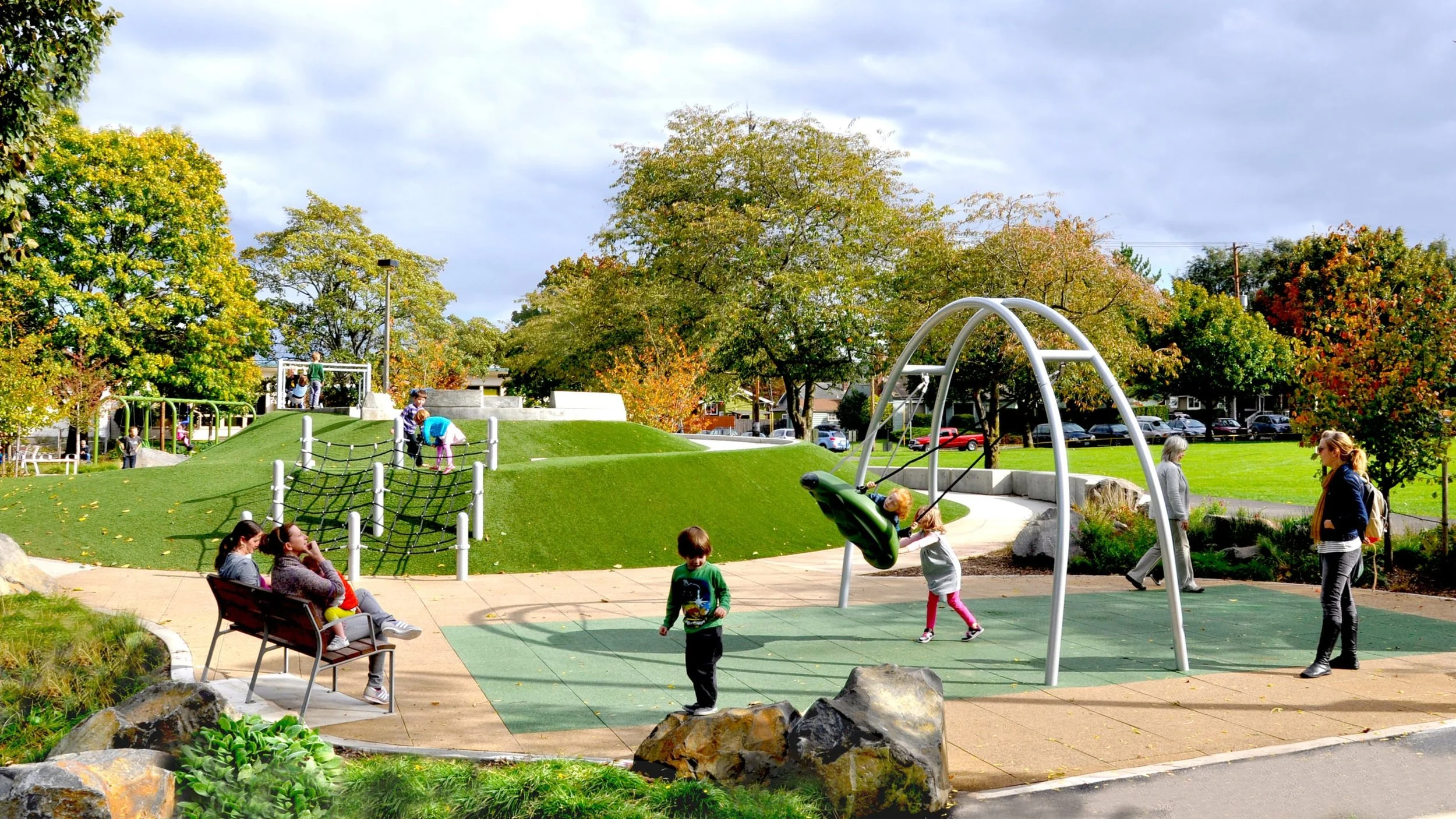
How to Design for Inclusion
The built environment can exclude — or embrace. Sometimes, it takes heartbreak to spark change.

Beyond Beauty: Architecture That Heals
We often think of architecture in terms of beauty, function, or innovation—but what if architecture could help you heal?
Can the Built Environment be Designed for Social Connection?
What do we actually mean when we say "designing for connection"? This piece breaks down the question — how architecture, interior design, and urban planning shape our social health, and what the evidence says about what works.

Why Solitude Supports Social Connection
Connection to others requires first being able to connect to yourself. This piece explores the surprising relationship between solitude and social health — and what it means to design spaces that honor both the need to be with others and the need to step away.

Design with Pity vs Compassion
Why pity and sympathy can feel bad, and empathy can overwhelm our systems without balance.

What Helps Create a Connected Community?
A connected community isn't something that happens organically. It requires the right spatial conditions — and the right people in the profession to design them. This piece explores what the research says about community connection and why representation in design matters.