

WHO 2025: Elevating Social Connection to a Public Health Imperative
Welcome to this month's newsletter, where we explore one of the most critical—yet overlooked—public health challenges of our time: social connection. With the World Health Organization's landmark June 2025 report "From Loneliness to Social Connection," we finally have a comprehensive roadmap for addressing what researchers are calling a global epidemic affecting one-in-six people worldwide.
This week, the debate over how to prioritize social connection has been hitting especially close to home. With back-to-school starting next week for much of Texas, I’ve just recently made the decision to switch schools for my daughter. After over a year of deliberation, we are moving from one that requires a car - to one that we can bike or even walk to, one where she will hopefully have friends that she can bike and walk to as well. This decision was made with my family, but also through years of listening to amazing colleagues and their great works. Their books have been like friends, helping me navigate my way towards connection on my own street - so shout out to Seth Kaplan, Diana Lind, David Jay, and so many more!
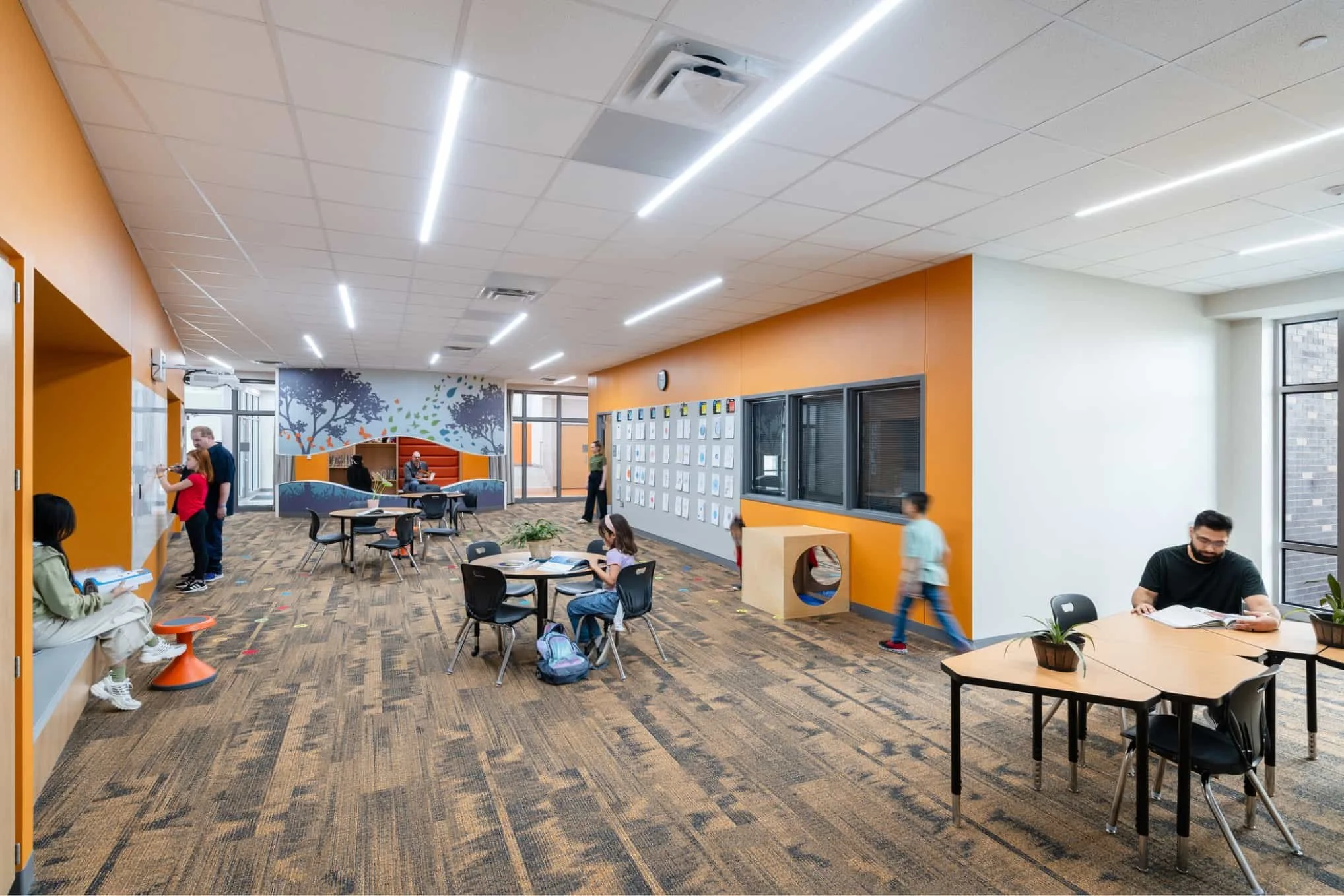
Source: HKS project (C. B. Berry Elementary School)
How might we design our communities, workplaces, and homes to naturally foster more meaningful connections?
Have you noticed spaces in your environment that seem to bring people together effortlessly—what makes them work? What small act of connection could you initiate this week that might ripple outward to strengthen your community's social fabric?
Social Connection as Essential Infrastructure
The big picture:
WHO’s new report puts loneliness on par with major public health threats—not just a personal struggle. It causes 871,000 deaths each year. That’s 100 people dying every hour, as deadly as heavy smoking.
Why it matters:
Loneliness fuels serious health risks: heart disease, dementia, early death.
What’s new:
Built environments can help—or hurt. The report urges us to design public spaces, parks, and community centers that spark real connection—not just look good.
Surprising stat:
Young people feel it most: Nearly 1 in 5 aged 13–29 report being lonely. Loneliness isn't just an older adult issue.
What’s next:
We need to rethink how we build schools, youth spaces, even digital communities—prioritizing authentic connection over empty interaction.
Evidence-Based Resources
WHO Commission Report: "From Loneliness to Social Connection": The comprehensive 2025 report outlining five strategic areas for global action: policy, research, interventions, measurement, and public engagement.

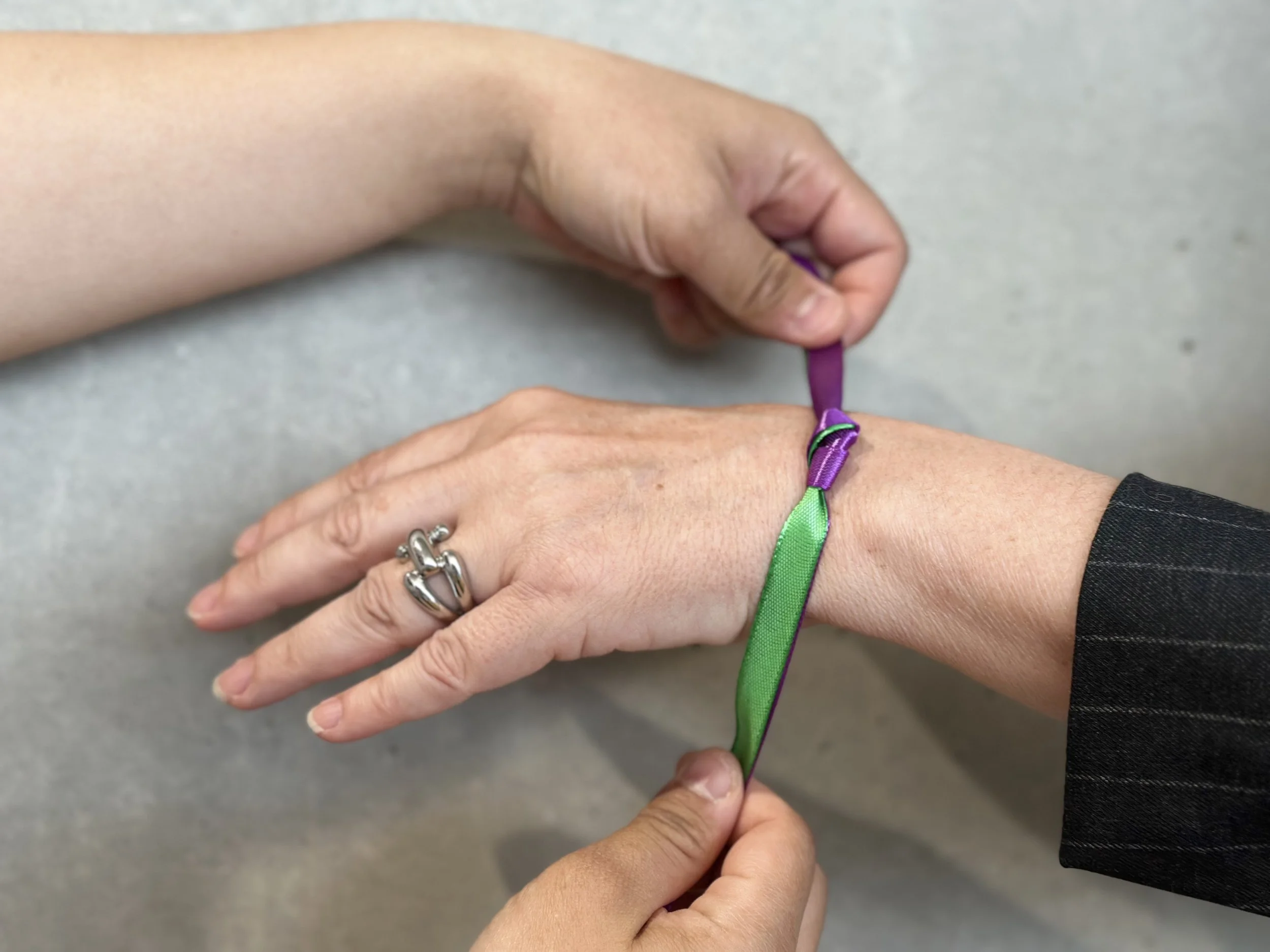
WHO's "Knot Alone" Campaign: A global initiative launched alongside the report to promote social connection for better health through practical, everyday actions.
Harvard's Social Connection Research: Dr. Julianne Holt-Lunstad's meta-analysis showing that strong social connections increase survival odds by 50%, with frameworks for systemic intervention.
London School of Hygiene & Tropical Medicine Expert Commentary: Analysis of the report's implications for health policy and community care systems, particularly for older adults and marginalized populations.
The WHO report reminds us that connection isn't a luxury—it's a human need that must become a political and design priority. Whether you're an architect planning a community center, an educator arranging classroom spaces, or someone curating your own living environment, you have the power to create conditions where authentic relationships can flourish.
Remember that every space you shape is an opportunity to combat isolation and nurture the social bonds that quite literally keep us alive.