


The Upside of Deviance
What if “disorder” isn’t a flaw, but a response to environments that no longer fit human needs? This issue explores how design, neurodiversity, and shifting cultural norms can transform perceived deficits into strengths—and why embracing difference may help us build a more human world.
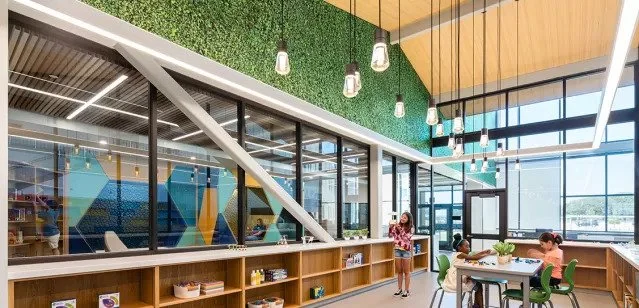
How School Design Can Help Children Feel Safe
What if the design of a school could help children feel calmer, safer, and more ready to learn? Explore how trauma-informed design uses nature, choice, and thoughtful spaces to reduce stress, support well-being, and create healing-centered learning environments for every student.
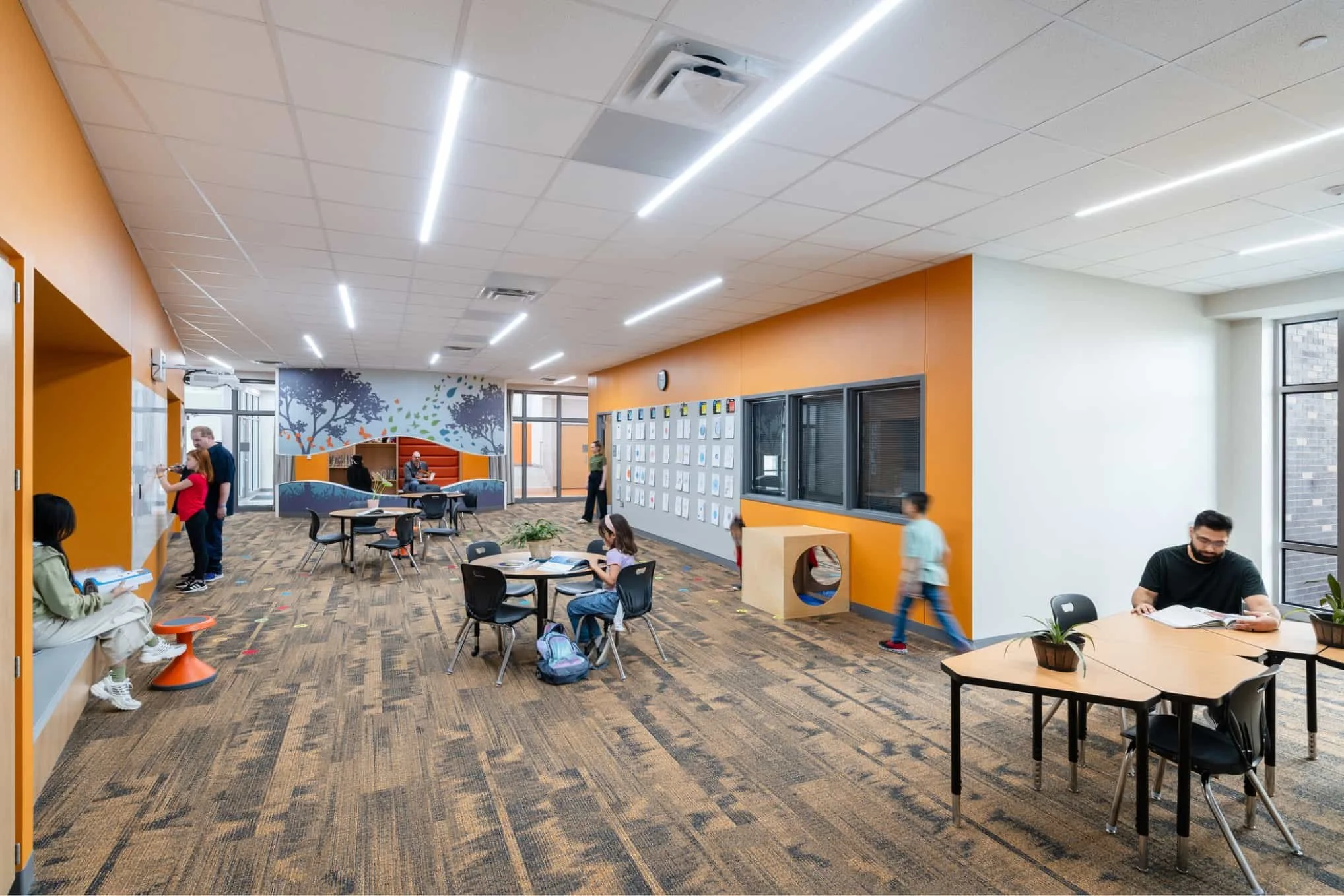
WHO 2025: Elevating Social Connection to a Public Health Imperative
The WHO's 2025 report reframes social connection as a global public health priority. Explore how loneliness affects health, why our built environments matter, and how designing schools, neighborhoods, and public spaces can foster stronger relationships and healthier communities.
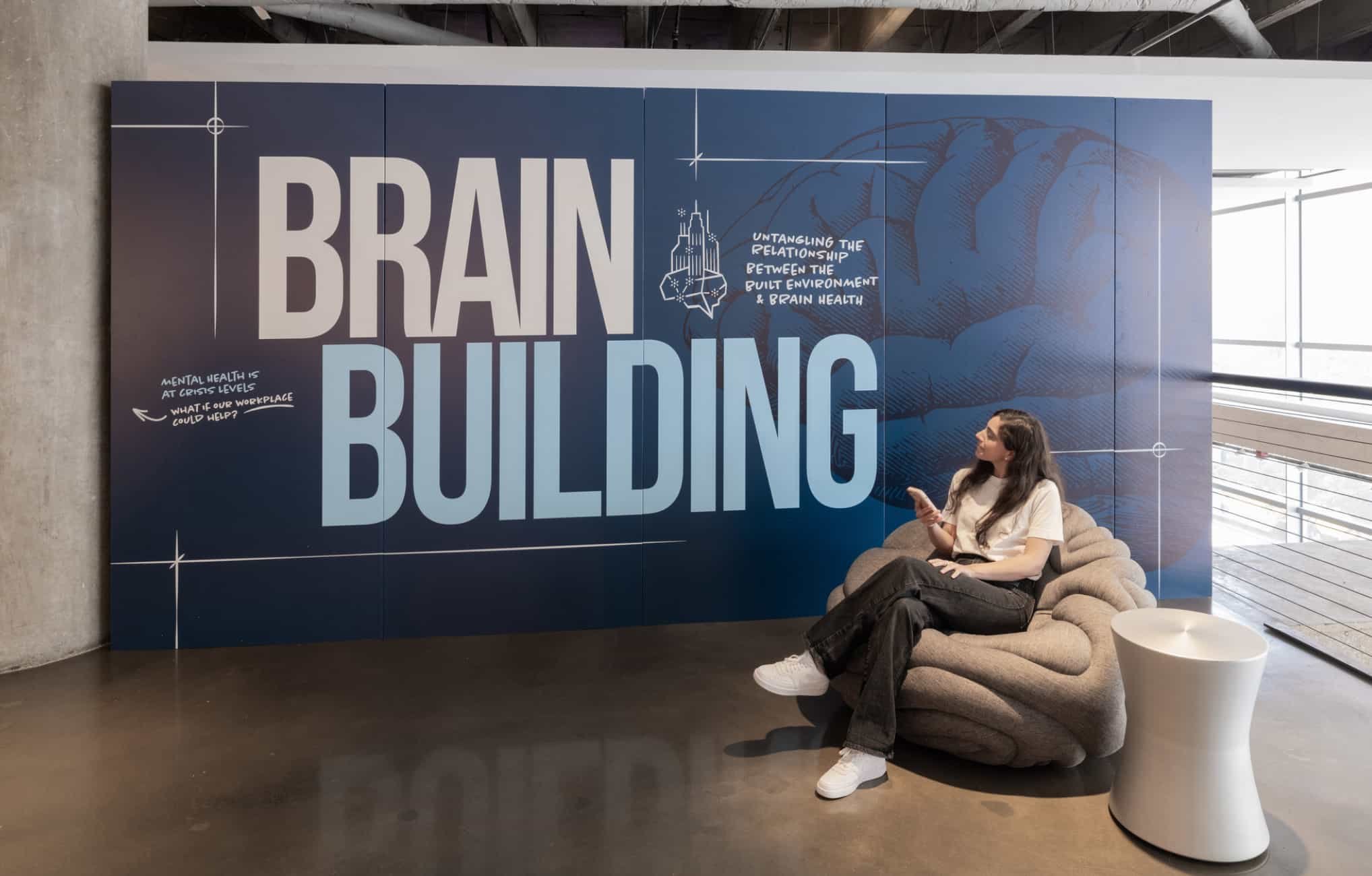
World Brain Day + A Special Announcement
What if the spaces we design could actively support brain health? Discover Project WHY, a groundbreaking collaboration exploring how neuroscience and the built environment shape cognition, well-being, and human connection—and how you can help shape the future of brain-informed design.