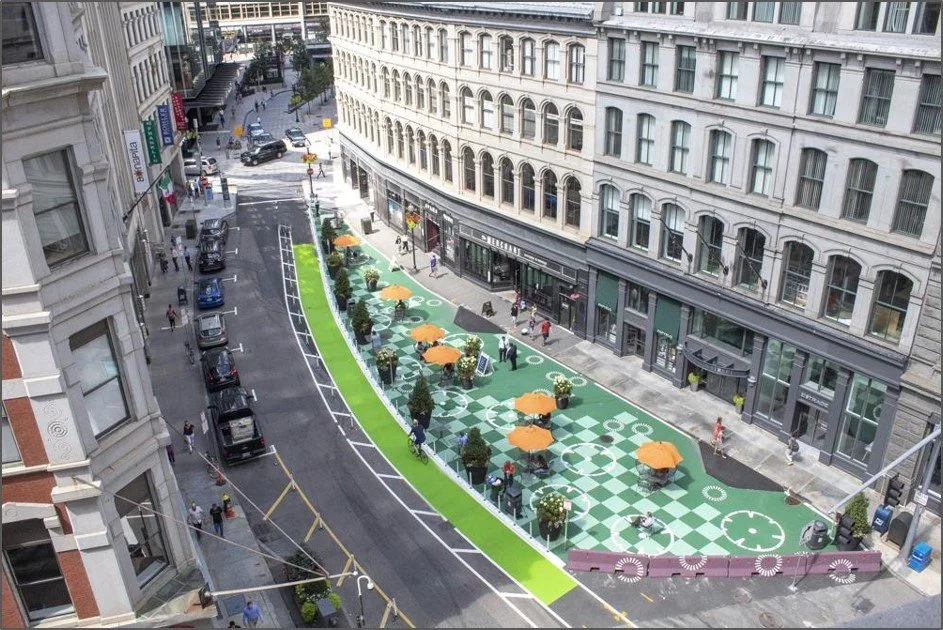
Outdoor Spaces, Stronger Connections: Join the Summer Social
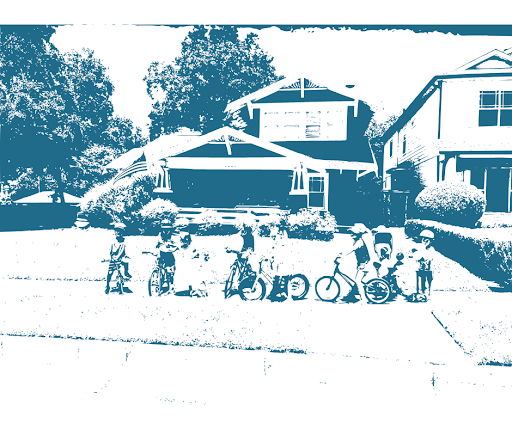
This weekend was the sweetest neighborly birthday party in memory. More than 10 young children from 8 years old to 8 months old met up at the precious 4 year old’s front porch for a “parade” - scooters and bikes with streamers doing a loop around the block - and back home for ice cream on the porch. In a time of choreographed themed birthdays, this one felt revolutionary - laid back, welcoming, and, despite the 90+ degree head, pretty darn enjoyable. The architect and connection enthusiast in me couldn’t help but see the power of design both in the spaces themselves, but also the creative ways that we can use them to foster community and belonging.
Summer is here—and even in the heat, it can be a great time to harness the power of outdoor spaces to foster the social connections our communities need. As placemakers, we have a unique opportunity to create environments that are not only beautiful, but actively support mental, physical, and social well-being.
How are you bringing your community together this summer?
I’d love to hear your favorite strategies, success stories or even snapshots of your outdoor “third place” in action!
Why Summer Activation Matters
Research consistently shows that well-designed outdoor spaces serve as vital "third places"—those crucial gathering spots beyond home and work where communities come alive.
Learn more here: “How Third Places Contribute to Thriving Communities”
During summer months, these spaces become even more powerful catalysts for connection:
Social Capital Building: Outdoor gathering spaces strengthen community bonds and build trust among neighbors. Check out “Third places” as community builders
Mental Health Benefits: Exposure to green spaces reduces stress, anxiety, and depression while boosting mood and cognitive function. I love this Harvard Article about how “Time spent in nature can boost physical and mental well-being”
Physical Well-being: Summer programming encourages physical activity, with studies showing people are more likely to be active in well-designed outdoor environments.
Loneliness Reduction: Public spaces provide crucial opportunities for both planned and spontaneous social interactions. Great article from Urban about the subject.
Evidence-Based Design Strategies for Summer Activation
1. Pop-Up and Temporary Interventions
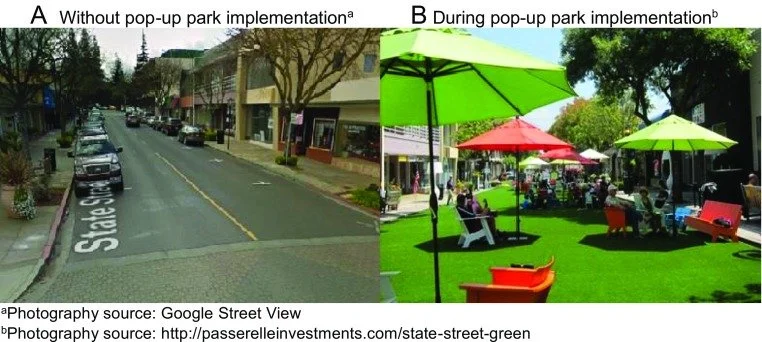
Research from Stanford shows that temporary "pop-up parks" can dramatically increase community engagement. In Los Altos, California, a small pop-up park (just 0.2 acres) attracted around 500 users daily, with 85% of visitors saying they wouldn't have spent time at any other park if it wasn't there.
Design elements that work:
Movable seating and flexible furniture arrangements
Temporary shade structures and cooling features
Interactive art installations and community programming
Clear wayfinding and accessible pathways
2. Biophilic Design for Summer Comfort
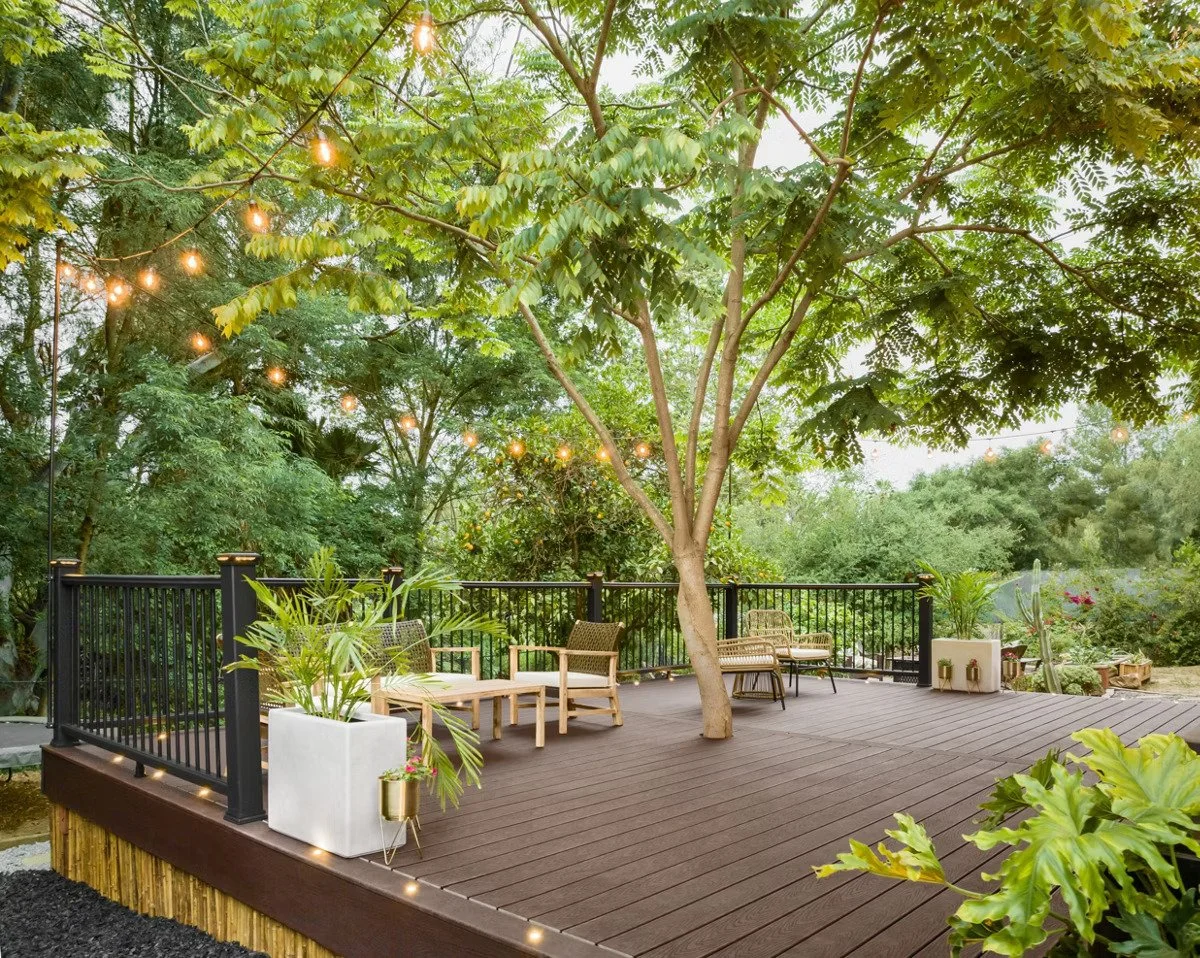
Incorporating natural elements isn't just aesthetically pleasing—it's scientifically proven to enhance well-being. Studies show that biophilic design can increase well-being by 15% and boost creativity.
Summer-specific biophilic strategies:
Native plantings that provide seasonal interest and shade
Water features for cooling and stress reduction
Natural materials that stay comfortable in heat
Diverse textures and sensory experiences
3. Tactical Urbanism for Rapid Testing
The tactical urbanism approach—using "lighter, quicker, cheaper" interventions—allows communities to test ideas before permanent investment. Examples include: