

What Taylor Swift Can Teach Us About Neurodivergent Design
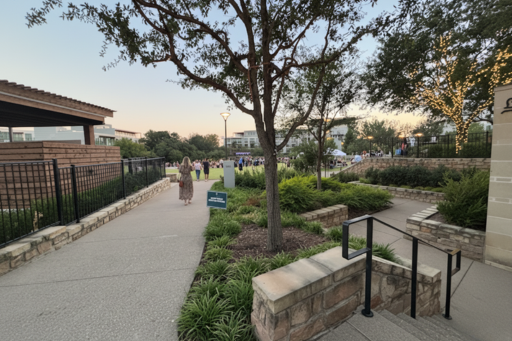
Last Friday night, I took my daughter to see a Taylor Swift cover band, a night of sparkle, sound, and pure joy. The air shimmered with glitter and bass, and the crowd sang every word with abandon.
Somewhere between the third chorus and the roaring applause, I felt my body tighten. The lights flashed, the sound pressed in, and my nervous system whispered: enough.
So we slipped away from the booming speakers and dancing crowds. The shift was instant! string lights, trees, cool air. The noise fell away, replaced by distant laughter and the rustle of leaves. Within minutes, I could breathe again. I wasn’t leaving the joy behind; I was stepping out long enough to find my rhythm again.
That small moment reminded me of something deeply human: that environments don’t just shape how we think, but how we feel, regulate, and reconnect. What I experienced for a few minutes of overstimulation is what many neurodivergent people navigate every day, often without refuge.
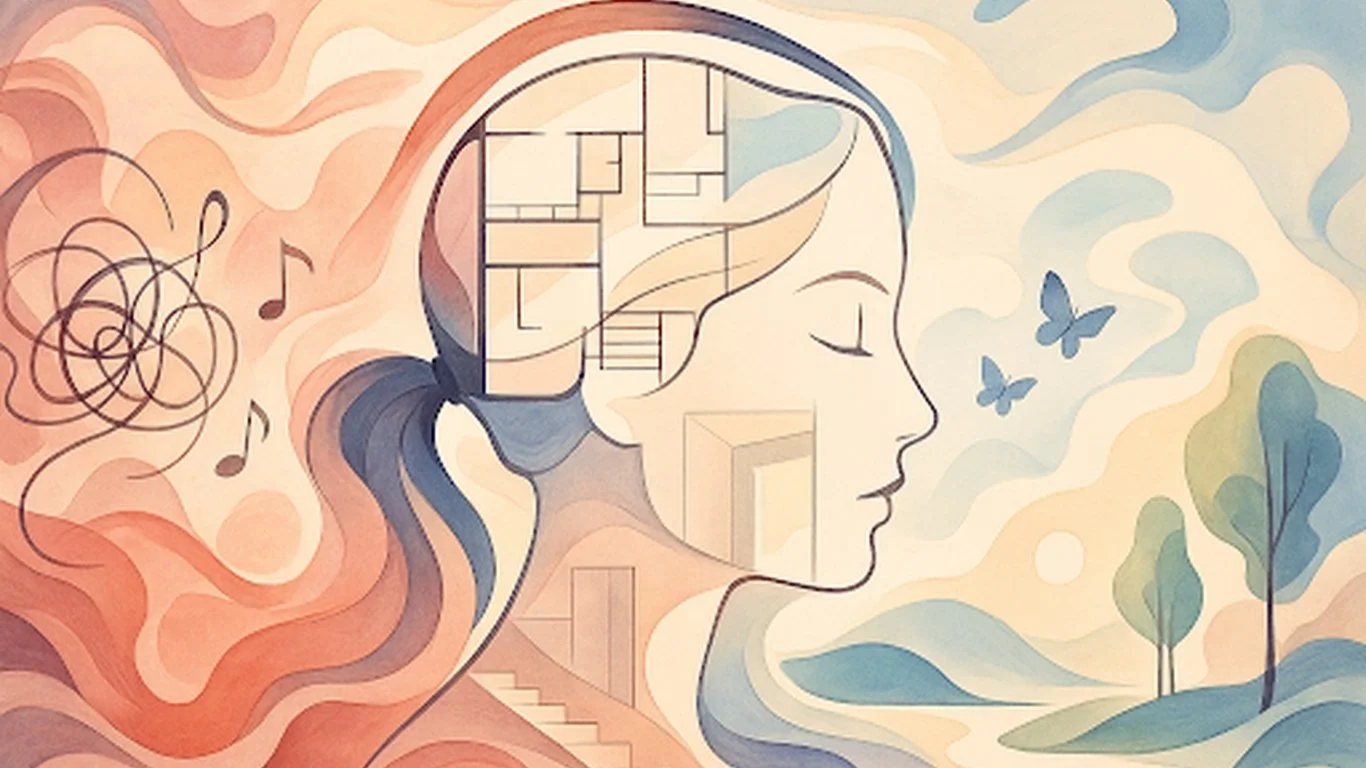
Every Space Can Act As a Backstage Where We Pause, Reset, and Return
Taylor once described a version of this, though from a different kind of stage. In a 2015 GQ interview, she recalled:
“I went backstage and cried, and then I had to stop crying and perform five minutes later. I just told myself I had to perform.”
She wasn’t talking about sensory overload or neurodivergence, but the parallel is striking. That moment — needing to step away, recompose, and re-enter is exactly what inclusive environments should allow.
Design that supports neurodivergent well-being isn’t about dimming the lights for everyone; it’s about giving people choice, control, and refuge when the lights feel too bright.
Environmental psychology calls this sensory regulation — the ability to adjust stimulation through light, sound, texture, and spatial cues. Studies show that environments offering sensory choice lower stress hormones and improve focus across neurotypes.
And at a broader level, this connects to a foundational concept in human-centered design: person–environment fit. Our well-being depends on how closely our surroundings align with our sensory, cognitive, and emotional needs. When that fit is right, we thrive. When it’s wrong, even a beautiful space can feel unbearable.
That’s why neurodiversity-affirming design matters for everyone.
Invitation
In my latest for Psychology Today, I dive into how - across workplaces, schools, and airports - this understanding is reshaping design:
The new HKS Singapore office includes quiet booths, wellness rooms, and creative lounges — zones that let people manage stimulation rather than endure it.
The Sensory Wellbeing Hub at Chicago’s Lane Tech College Prep offers “active,” “respite,” and “cocoon” zones to help students regulate stress and focus.
At the Gerald R. Ford International Airport, a simple sensory room led to a 60 percent drop in anxiety among travelers — a reminder that calm is a design outcome, not an accident.
Each of these spaces creates its own version of the “backstage” — a place to pause, recalibrate, and return.
Maybe that’s the real lesson Taylor offers here: even the world’s biggest performer needs a quiet corner to gather herself before stepping back into the light.
Good design makes sure we all have that space — not just for crisis, but for the daily choreography of being human.
Why Does a Place Make You Feel?
If you’d like to help shape how we understand the connection between space, emotion, and cognition, help us with Project WHY — our global research initiative exploring how environments influence brain health and well-being.
“It is not our differences that divide us.
It is our inability to recognize, accept, and celebrate those differences.”
— Audre Lorde
P.S. I’d love to know, where is your “backstage” space? The quiet corner, the walk, the room that helps you reset. Hit reply and tell me; I read every note.