

Design With Love: Creating Spaces That Spark Joy and Emotional Support
This week, we're exploring how designing with love can transform spaces into sources of joy, healing, and emotional support. When we infuse our environments with biophilic elements and thoughtful sensory experiences, we create places that nurture not just physical health, but emotional and social well-being too.
The Science of Spaces That Heal
Research increasingly shows that our environments are not neutral—they actively shape our emotions, behaviors, and relationships. The spaces we inhabit can either drain us or breathe life into us, elicit fear or soothe our nervous systems, welcome us into shared experiences, or exacerbate isolation.
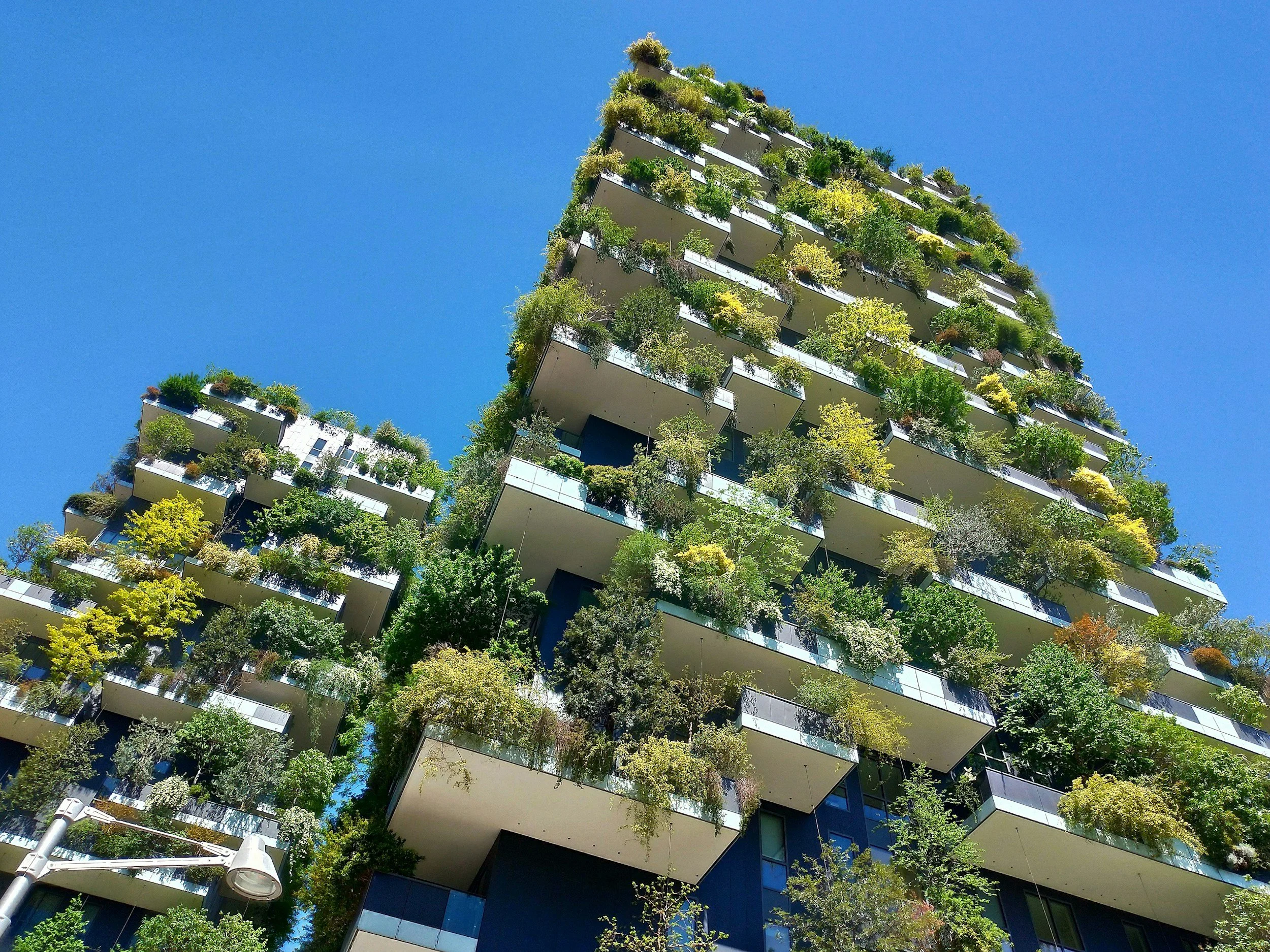
Bosco Verticale in Milan is a stunning example of biophilic architecture, consisting of two residential towers adorned with around 20,000 trees and plants.
Check out
🧠 “The Power of Biophilia: Benefits for Physical and Mental Health”
Biophilic design—incorporating elements of nature into our built environments—has been shown to:
Significantly reduce stress and promote relaxation
Enhance psychological well-being and mental clarity
Support recovery from negative emotional states
Activate the same areas of the brain that respond to basic pleasures
These aren't just aesthetic choices—they're evidence-based strategies for creating environments that foster health, connection, and joy.
Designing With Love: Beyond Aesthetics
"Design with love" isn't just a poetic phrase—it's a powerful approach to creating spaces that truly serve people. As Katie Swenson, Senior Principal at MASS Design Group, reminds us: "Talking about love gives us clarity. Love and abuse, or love and racism, or love and discrimination fundamentally cannot coexist".
Check out the full conversation with Katie 👉 HERE.
When we design with love, we:
Create environments that reflect and honor the people who use them
Focus on fostering dignity, connection, and belonging
Move beyond preventing harm to actively promoting well-being
Recognize that true architecture responds to our desire for places that resonate with our dreams
This approach aligns perfectly with salutogenic design—from Latin "salus" (health) and Greek "genesis" (origin)—which focuses on how our built environments can actively create health rather than just avoid disease.
🌿 Biophilic Elements That Foster Joy and Healing
Here are evidence-based strategies for incorporating biophilic design into your projects:
1. Natural Light and Views
Position windows to maximize daylight and views of nature to boost mood and productivity
Use dynamic lighting systems that mimic natural light patterns to support circadian rhythms
Create "prospect and refuge" spaces that offer both expansive views and cozy retreats
2. Living Elements
Integrate indoor plants, green walls, and water features to reduce stress and enhance healing
Create connections to outdoor spaces through gardens, courtyards, or terraces
Use natural materials like wood and stone to create warmth and a sense of grounding
3. Sensory Experiences
Incorporate varied textures that invite touch and create tactile interest
Consider acoustic design to create both energizing and calming sound environments
Use natural fragrances or aromatherapy elements in appropriate settings to enhance mood
📃 Case Studies: Design With Love in Action
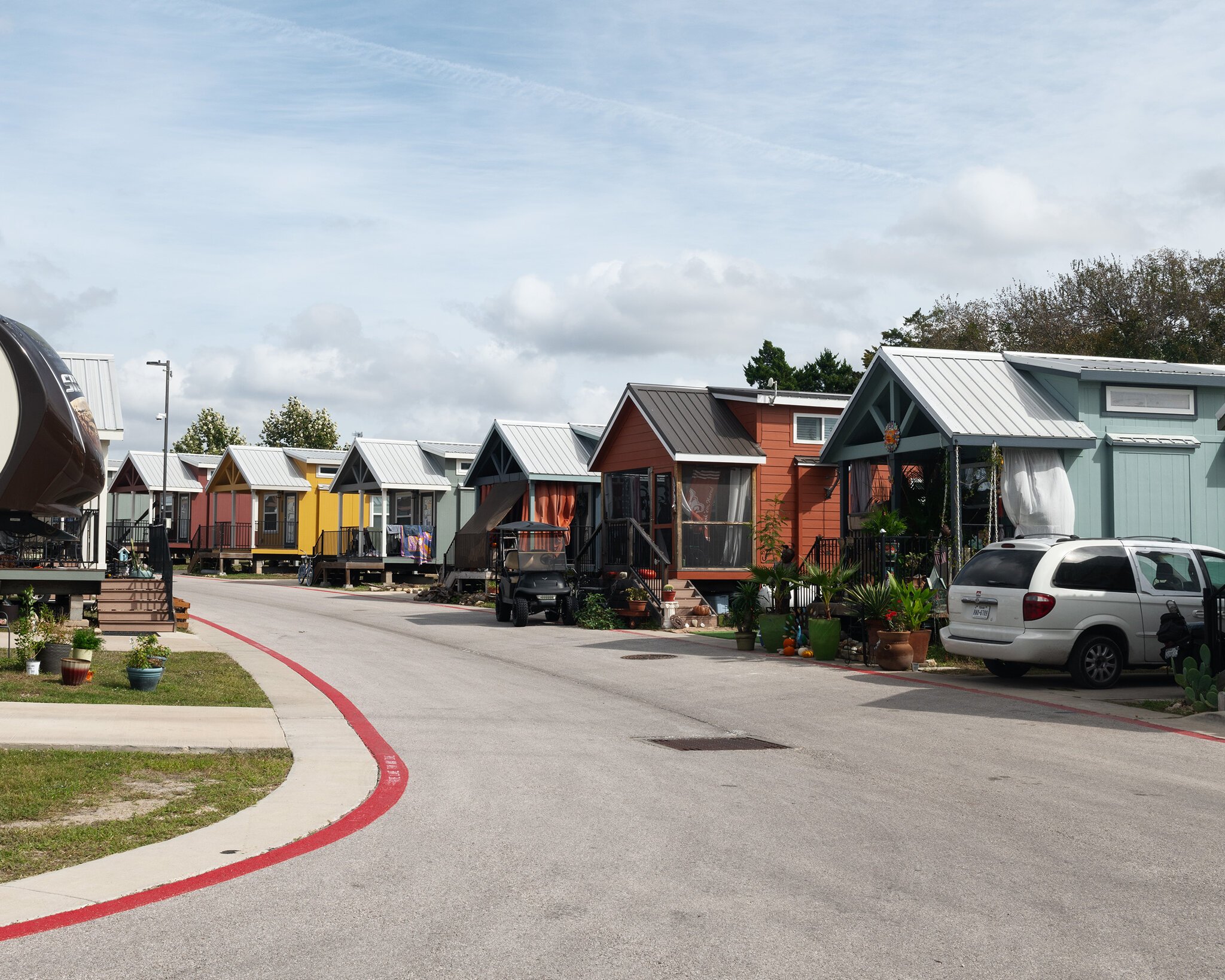
Community First Village, Austin, TX
This innovative residential program for formerly homeless individuals demonstrates how thoughtful design can foster independence, friendship, and community. By creating spaces that honor dignity and promote connection, the village has shown remarkable results in helping residents heal and thrive.
Casa Familiar empowers a predominantly Latino, low-income community near the US-Mexico border to address environmental health challenges through community-driven design. Their projects focus on air quality monitoring and creating spaces that support health equity, dignity, and social cohesion.
Quest Community Development, Atlanta, GA
Quest Community Development focuses on revitalizing neighborhoods by creating inclusive, mixed-use spaces that foster social capital and economic opportunity. Their work emphasizes co-creation with residents to build resilient communities that support well-being and belonging.
🛠️ Practical Tips for Your Next Project
Start with empathy: Engage users early and often to understand their emotional needs and preferences
Create zones for different emotional states: Design spaces that support both stimulation and restoration
Incorporate curves and organic forms: Research shows these shapes reduce stress and enhance comfort
Use color psychology intentionally: Choose palettes that evoke the desired emotional responses
Design for all senses: Consider how your space will feel, sound, and even smell—not just how it looks
By designing with love—incorporating biophilic elements, thoughtful sensory experiences, and a deep commitment to human wellbeing—we can create environments that don't just shelter, but heal; don't just function, but inspire; don't just house, but truly welcome.
