

Building Healthier Communities: 5 Project Examples to Inspire You
This week’s focus:
How can built environment professionals use design to advance health equity and well-being? A new HKS article offers five real-world project examples—and actionable insights for your practice.
Why it matters:
Health equity isn’t just a buzzword. It’s a measurable outcome of evidence-based, human-centered design. As leaders in architecture and planning, we have the power—and responsibility—to create environments that foster physical, mental, and social well-being for all.
What’s new:
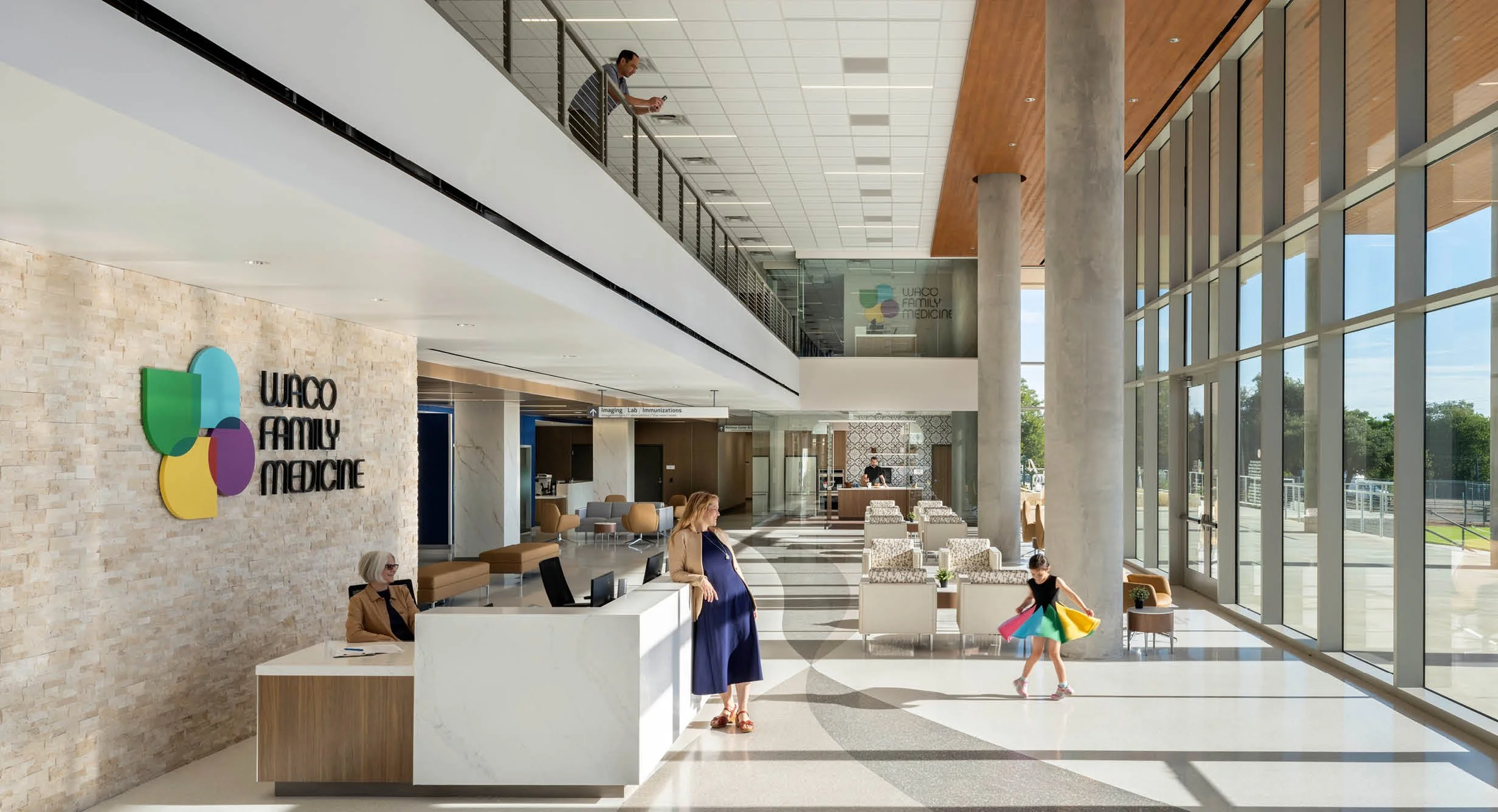
The HKS article, “How Design Can Advance Health Equity: 5 Project Examples,” highlights projects that move the needle on equitable health outcomes:
🔷 Waco Family Medicine Central Campus:
A community-driven medical center prioritizing accessibility, daylight, and welcoming spaces to support dignity and connection.
🔷 Moody Outpatient Center at Parkland Hospital:
Trauma-informed design features, intuitive wayfinding, and calming environments reduce stress for vulnerable patients.
🔷 Nexus Recovery Center:
Flexible, communal spaces foster social support and healing for women in recovery.
🔷 Penn State Health Lancaster Medical Center:
Universal design and biophilic elements create a sense of belonging and hope for diverse users.
🔷 Sanford Virtual Care Center:
Technology-enabled spaces expand access to care for rural and underserved populations.
Each project demonstrates how intentional design choices—lighting, layout, acoustics, and community engagement—can measurably improve health equity and outcomes.
Key takeaways for built environment professionals:

🔷 Design for Social Connection: Communal areas, daylight, and flexible layouts foster relationships and support mental health.
🔷 Evidence-Based Approaches: Use research-backed strategies (universal design, trauma-informed features, biophilia) to support diverse needs.
🔷 Human-Centered Process: Engage users early and often. Co-design with communities to ensure dignity, accessibility, and trust.
🔷 Combat Loneliness & Isolation: Prioritize third places, communal spaces, and neighborhood integration to build social capital and resilience.
See Also: Designing for Health Equity by HGA

If you found the HKS article on advancing health equity through design valuable, you’ll want to check out HGA’s “Designing for Health Equity.” This piece dives deep into how social determinants of health, trauma-informed design, and continuous community engagement can shape more equitable, healing environments.
Why it’s worth your time:
🔷Explores the intersection of architecture, public health, and social justice
🔷 Offers actionable frameworks for integrating health equity into every phase of the design process
🔷 Highlights the importance of empathy, trust-building, and user engagement—core to our content pillars of evidence-based, human-centered, and socially connected design
Key Takeaway:
Both articles reinforce that real progress happens when we move beyond compliance and intentionally design for dignity, accessibility, and social connection.
Go deeper:
Read HGA’s “Designing for Health Equity” for more strategies and inspiration to elevate your own projects and advance health equity in the built environment.
