

Designing for Solitude: The Power of Positive Spaces
As built environment professionals, we often focus on fostering connection—but what about the power of positive solitude? This week, we explore how intentional design can create spaces that allow individuals to recharge, reflect, and return to social interactions with renewed energy.
Why Positive Solitude Matters:
Research shows that solitude, when chosen and supported by design:
Reduces stress and enhances creativity (Psychology Today, 2023)
Balances social engagement, preventing burnout and loneliness (OECD, 2023)
Supports mental health by providing opportunities for self-reflection and emotional regulation (Frontiers in Built Environment, 2024)
Key Design Strategies:
Biophilic Retreats
Incorporate natural light, greenery, and water features to create calming nooks.
Example: Indoor garden alcoves in workplaces or hospitals (Daylight and Architecture, 2021).
Human-Scale Spaces
Use smaller, intimate zones within larger environments (e.g., library corners, shaded park benches).
Project Spotlight: UC San Diego’s Theater District prioritizes “prospect and refuge” for both connection and solitude (HKS, 2024).
Acoustic Zoning
Buffer quiet areas with sound-absorbing materials or white noise to minimize distractions.
Evidence: Noise reduction in healthcare settings improves patient recovery (PMC Study, 2023).
Flexible Boundaries
Movable partitions or adaptable furniture allow users to control their environment.
Case Study: Trauma-informed design at Nexus Recovery Center uses modular spaces for privacy and community (HKS, 2025).
Recommended Resources

Source: HKS/ Photo Credit Casey Dunn
"How to Design for Solitude" by Erin Peavey
Practical insights on balancing social and solitary spaces in public and private settings.OECD Report: Built Environment Through a Well-being LensExplores how housing, transport, and urban design impact mental health and social equity.
"Healing Architecture: Evidence, Intuition, Dialogue" by Stefan Lundin
Strategies for psychiatric facilities that prioritize patient autonomy and calm.Frontiers in Built Environment: Psycho-Physical Wellbeing Integrates sensory design (color, texture) to support emotional balance.
Actionable Tip
Audit your current projects:
Where can you add a “pause point” (e.g., a bench with greenery, a quiet corner with soft lighting)?
How does the space empower users to choose between interaction and solitude?
Pride Month: Designing for LGBTQIA+ Inclusion
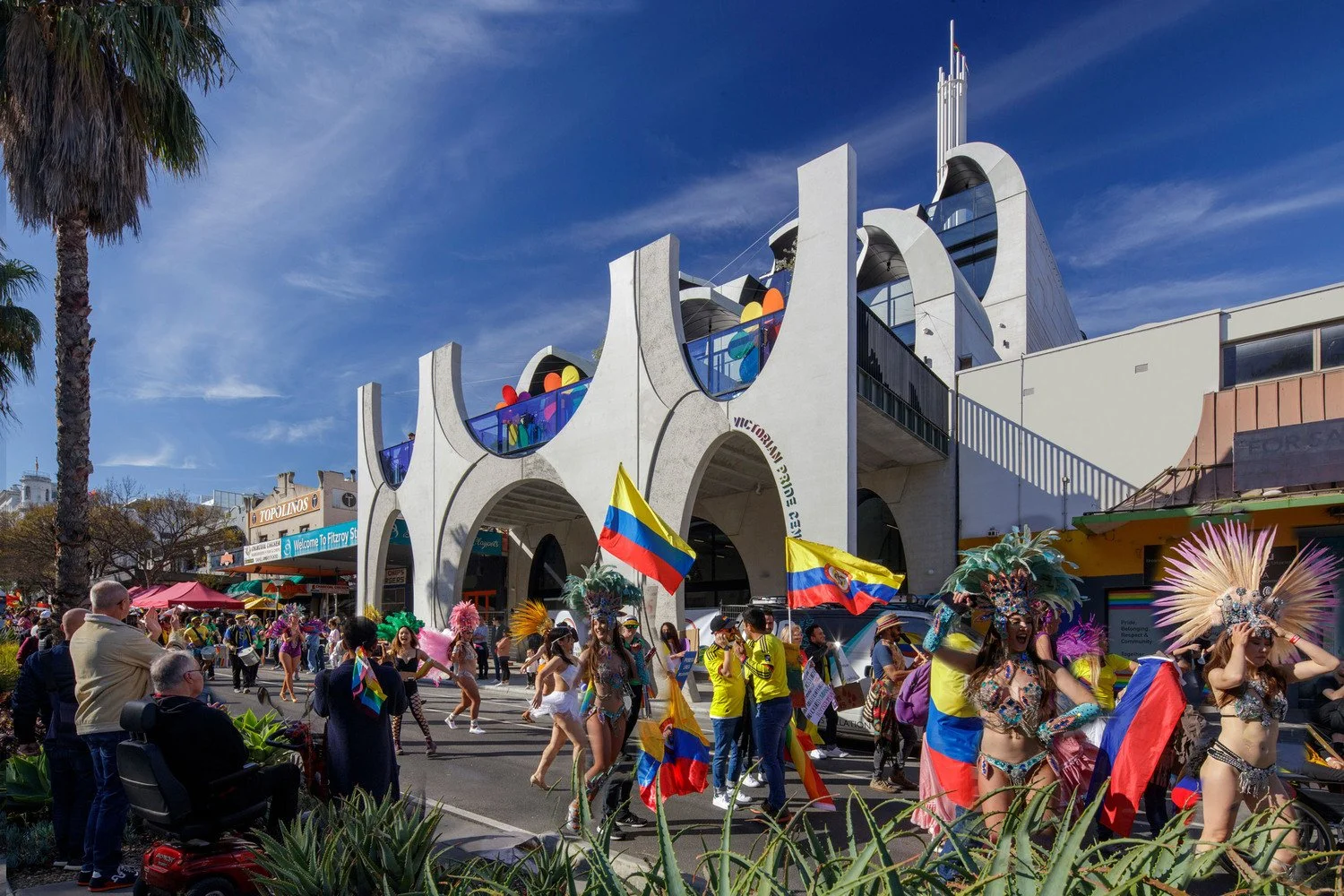
The Victorian Pride Center / Brearley Architects and Urbanists + Grant Amon Architects . Image © John Gollings
Why it Matters:
Inclusive design isn’t just about visibility—it’s about creating environments where LGBTQIA+ individuals feel safe, valued, and empowered to thrive. Research shows that inclusive spaces reduce stigma, foster mental health, and strengthen community bonds.
What’s new:
HKS Initiatives: Explore how LGBTQIA+ designers at HKS are reshaping architecture with projects that prioritize accessibility, belonging, and joy. Their work demonstrates how design can challenge norms and celebrate diversity.
Queer Urban Design: Cities like London and New York are reimagining public spaces through a queer lens, moving beyond “gayborhoods” to create fluid, adaptable environments that welcome all identities. Learn from ArchDaily’s insights on inclusive urban planning.
Personal Connection: Erin highlights Violet Crown Wine and Coffee in Austin, a café co-owned by her friends, as a model of LGBTQIA+-friendly design—vibrant, welcoming, and rooted in community.
Actionable strategies:
Integrate universal design principles to ensure accessibility for all bodies and abilities.
Use color, art, and symbolism (e.g., Pride flags) to signal inclusivity without tokenism.
Collaborate with LGBTQIA+ communities early in the design process to co-create spaces that reflect their needs.
Places to Connect Within Ourselves
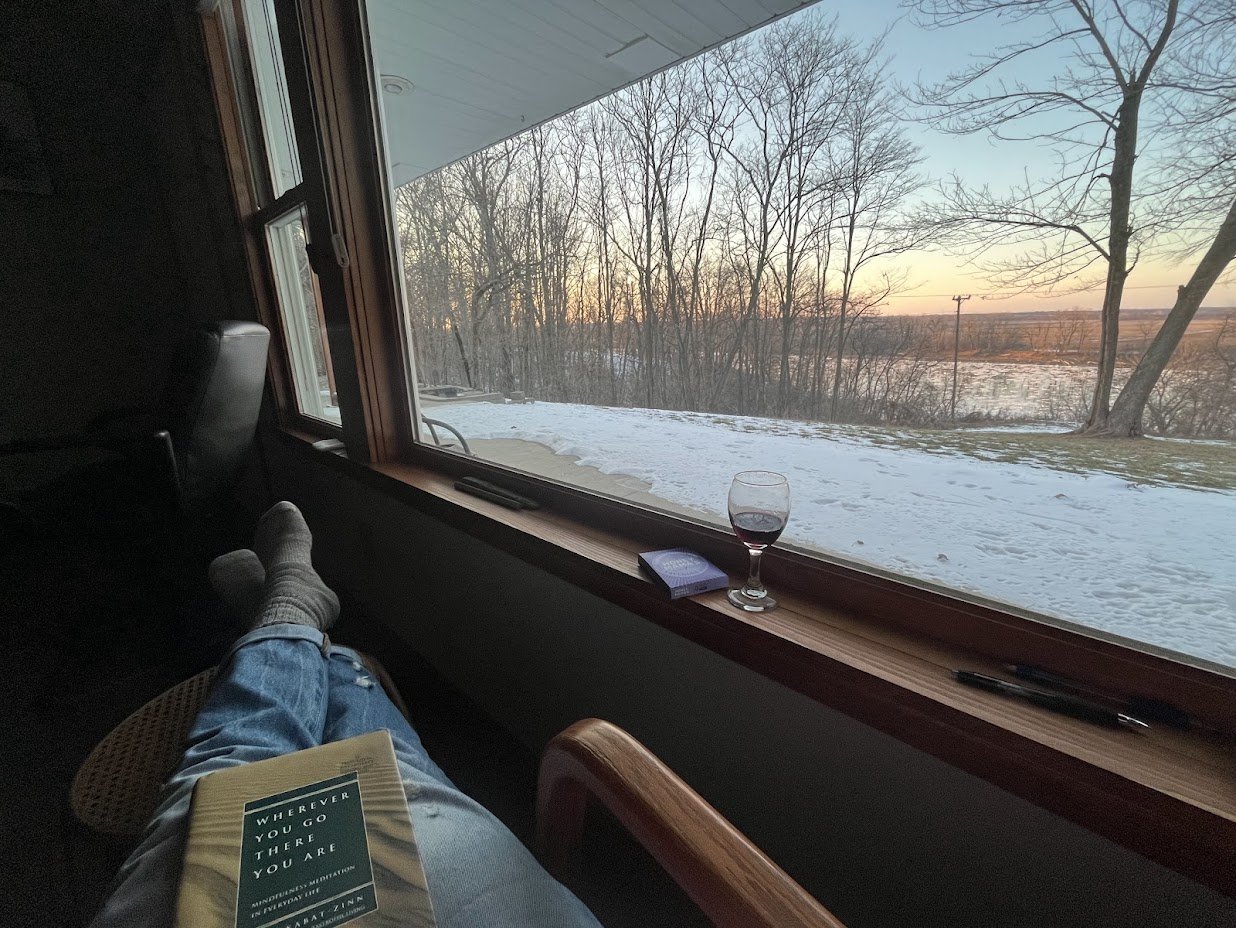
In our fast-paced world, creating spaces for positive solitude is more important than ever. Thoughtful design can help us slow down, reflect, and recharge—benefiting our mental, physical, and social well-being.
If you’re interested in evidence-based strategies for designing environments that support mindful contemplation and restorative solitude, I recommend reading my recent article for AIA Dallas:
👉 Places to Connect Within Ourselves
You’ll find practical insights on:
Designing nooks and natural retreats
Supporting “soft fascination” with nature and sensory experiences
Creating opportunities for quiet reflection in public and clinical spaces
Explore how the built environment can help us reconnect—with ourselves and with our communities.
As we consider the balance between connection and solitude, may we remember that our designs have the power to honor both. Let's continue to create spaces that not only bring people together but also offer moments of peaceful retreat.