

Inclusive Cities Insights from New Urbanism & Gendered Design
This week, we're exploring a powerful convergence: how New Urbanism and gender-inclusive design are reshaping our understanding of what it means to create truly equitable, connected communities
Why Inclusive Urbanism Matters Now
Recent discussions at the Congress for New Urbanism (CNU) have highlighted a critical evolution: New Urbanism is inclusive urbanism. For built environment professionals, this means moving beyond traditional planning approaches to create spaces that work for everyone—regardless of race, gender, ability, or socioeconomic status.
The evidence is clear: when we design cities with diversity in mind, we create healthier, more resilient communities for all.
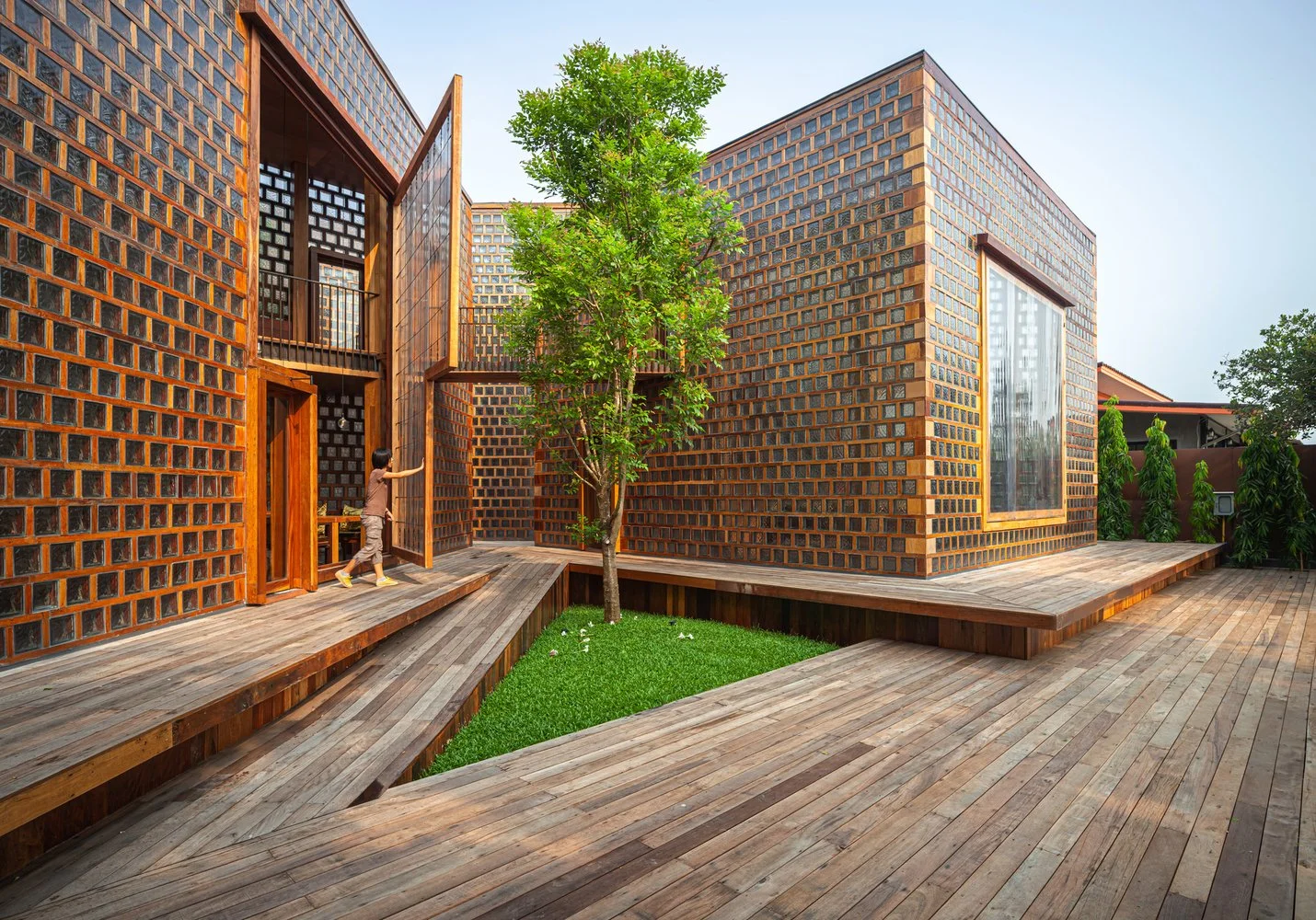
A restaurant built by and for women in a village of widows and unmarried women—celebrating community, food, and local resilience through architecture.
The Gendered City: Reimagining Urban Spaces
Historically, cities have been planned, designed, and governed without equal engagement of women as decision-makers. This oversight has profound implications:
Only 5% of city leadership positions globally are held by women
10% of senior architecture and urban planning positions are held by women
In many cities, men occupy 95% of public space in squares and schoolyards
As architect and researcher Nourhan Bassan notes in her work on "The Gendered City," this isn't just about representation—it's about creating urban spaces that respond to the diverse ways people experience and use cities.
📃 Evidence-Based Strategies for Inclusive Design
1. Design Cities that Work for Women
This report by Arup, UNDP, and the University of Liverpool presents a clear method for involving women in urban planning and offers practical recommendations and case studies for gender-inclusive city design.
Gender-inclusive cities are safer, more accessible, and equitable for everyone:
Engage women in all stages of urban planning and decision-making
Address safety, mobility, and care infrastructure needs
Apply inclusive design backed by real-world case studies
Check out Cities Alive: Designing Cities That Work for Women for more information.
2. Address Safety and Belonging
Research shows that feelings of safety directly impact how people use urban spaces:
Improved lighting and sight lines
Active programming that brings "eyes on the street"
Gender-responsive design that considers women's daily movement patterns
Read the Buildings & Cities article to learn more about the Gendered City.
💡 Project Spotlight: THINK.urban's Applied Anthropology
Urban anthropologist Katrina Johnston-Zimmerman demonstrates how "professional people-watching" can inform better design. Through applied anthropology and evidence-based observation, her work reveals how different groups actually use public spaces—not how we assume they do.
This approach aligns perfectly with our content pillars: using human-centered research to create spaces that foster social connection while addressing mental and physical well-being.
📃 Actionable Tips for Your Practice
Conduct Gender Audits: Evaluate your projects for how different users might experience the space throughout the day and across seasons.
Engage Early and Often: Build community input into every phase of design, not just at the end.
Design for Care Work: Consider how your spaces support the unpaid care work that primarily falls to women—from childcare to elder care.
Create Third Places: Design informal gathering spaces that support both planned and spontaneous social interaction.
📩 Community Reflections: What You Shared on LinkedIn
Thank you to everyone who contributed resources and expertise in response to our discussion on gender-informed safety and inclusive design.
Highlighted Resources
From Dr. Eve Avdoulos:
Transport for London:Women's Night Safety Charter:Launched in 2018 as part of the Mayor’s Violence Against Women and Girls strategy, the Women’s Night Safety Charter urges London businesses to take seven key actions to help women feel safe, supported, and respected at night.
Safer London for All: Delivering Women's Safety Audits:An organization trained nearly 50 community researchers to lead women’s safety audits across London, using mapping, sensory walks, and checklists to inform safer, more inclusive urban design.
The UK is currently leading the way with valuable insights and best practices in this space, with organizations like:
Publica:an urban design and public realm practice, bringing research and intelligence to the process of urban change.
Gender Inclusion & Women’s Safety Publication: A robust guide to best practices for urban safety and inclusion, focusing on how public spaces can better serve women and girls.
Make Space for Girls: An organization dedicated to ensuring parks and public spaces are designed with the needs of girls and young women in mind.
Reimagining Brickfields Park for Teenage Girls: Transformed the space with features like a five‑way swing, climbing seats, and improved sightlines—designed through direct consultation with girls to create a safer, more engaging environment
🏫 Resources for Deeper Learning
CNU's Statement on Inclusion - Framework for equity in New Urbanist practice
UN-Habitat Gender Issue Guide - Comprehensive resource on gender-responsive urban planning
"The Gendered City" by Nourhan Bassan - Critical examination of urban spaces from an intersectional perspective
Shared Space Podcast - Episodes on designing for social connection and community well-being
