

Designing for Inclusion as Advocacy
The built environment can exclude—or embrace. Sometimes, it takes heartbreak to spark change.
🎧This week’s podcast tells the powerful story of G Cody QJ Goldberg, founder of Harper’s Playground. His daughter Harper’s challenges inspired a mission: create play spaces where all kids belong.
Why It Matters:
Most playgrounds weren’t made for everyone. Cody is helping change that.
➡️ Harper couldn’t navigate her neighborhood playground. So Cody reimagined what play could look like—for everyone.
🧩 Today, Harper’s Playground has created 19 inclusive parks and counting.
Top Takeaways from My Conversation with Cody:
🔹Empathy is the foundation. Start by listening. Design from lived experience.
🔹Play is a universal language. Inclusive playgrounds connect families of all abilities.
🔹Belonging is the goal. Great design doesn’t just include—it celebrates differences.
🔹Small changes = big impact. Smooth paths. Sensory details. Accessible equipment.
🔹Connection grows here. Kids build empathy by playing together.
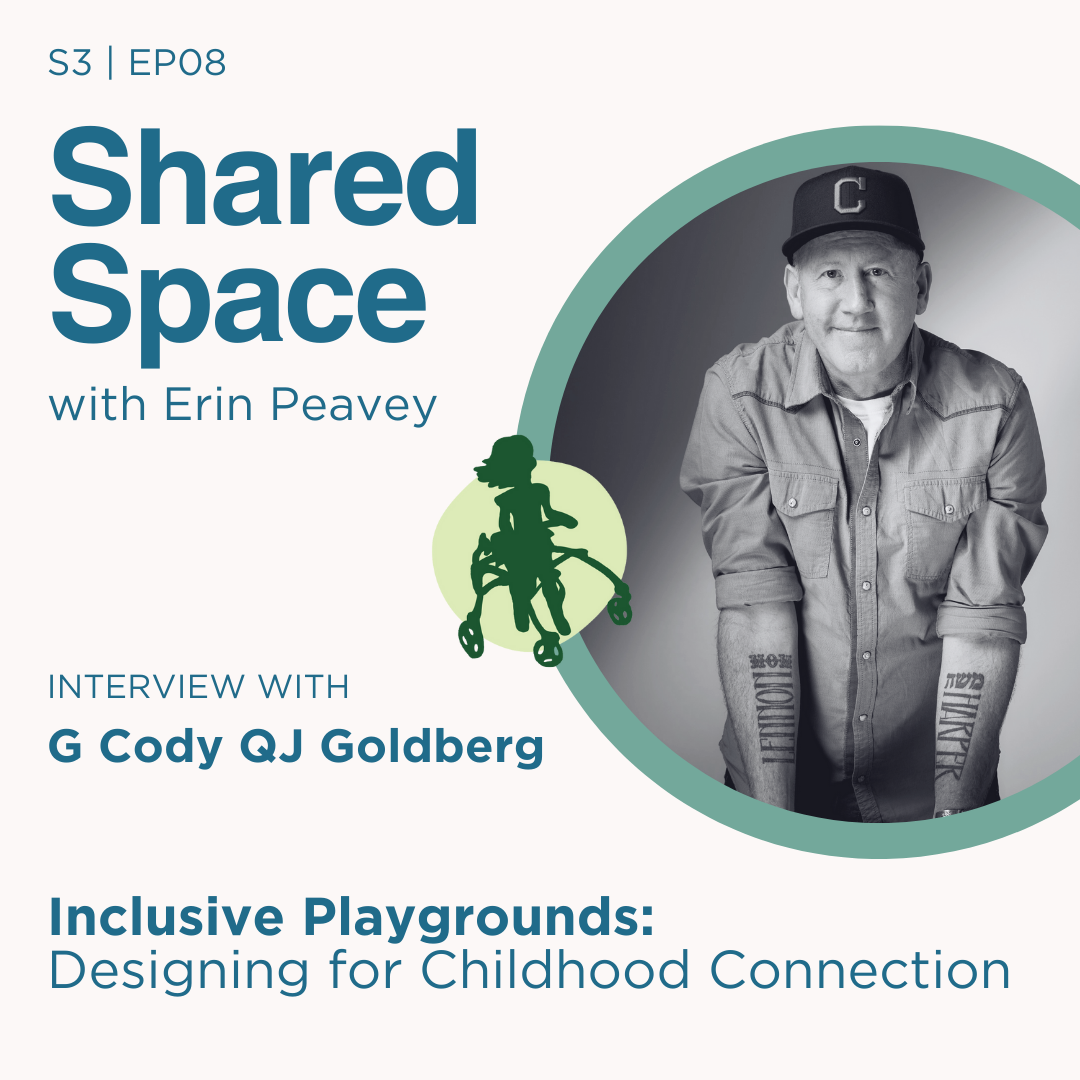
"Inclusion isn’t an add-on to design, it should be the very core of it. When we lead with inclusivity, we create spaces that benefit everyone."
— G Cody QJ Goldberg
🎧 Listen now: Building Playground on Apple Podcast and Spotify.
Spotlight: Design With Empathy
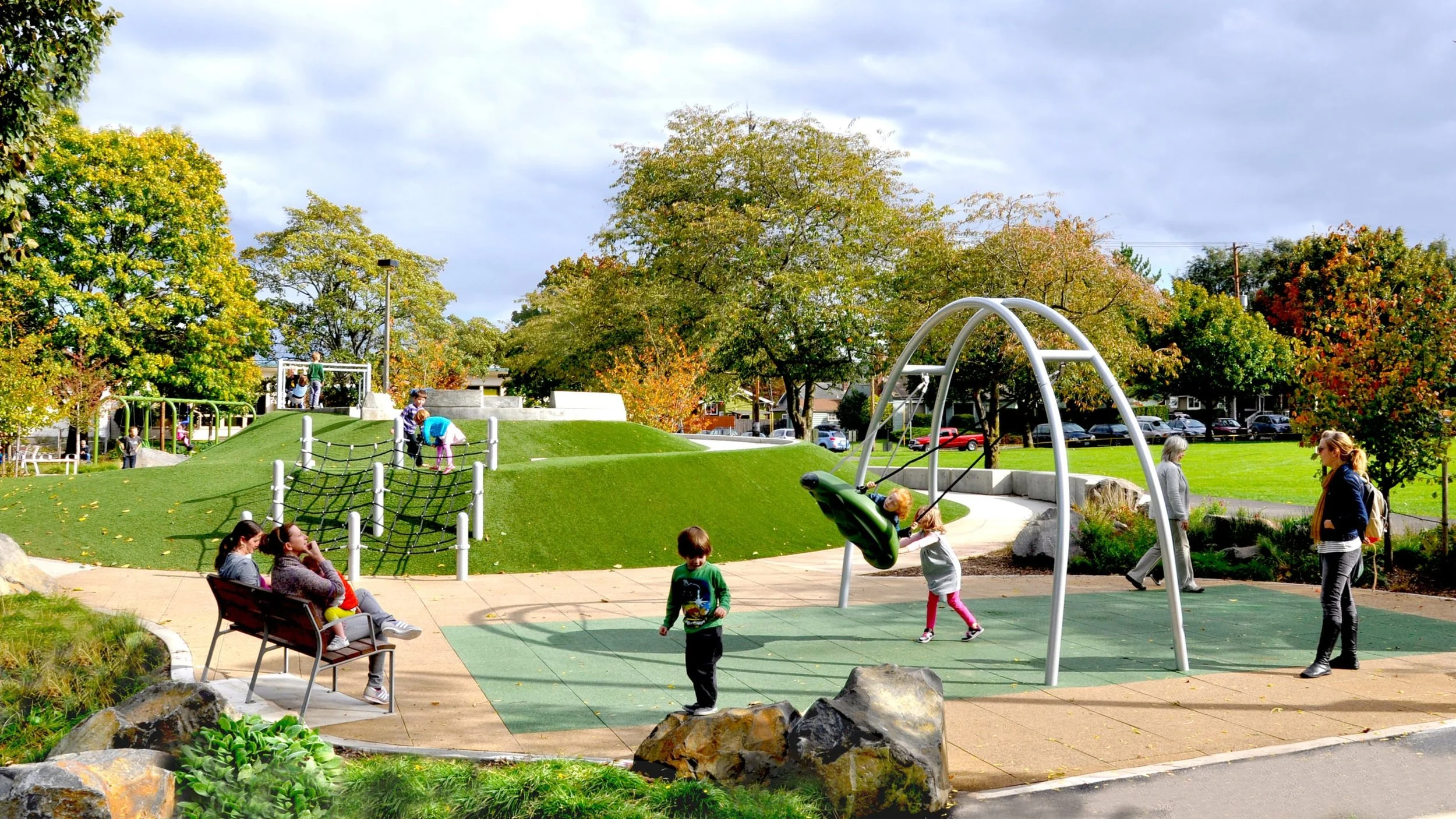
Tokyo Sport Playground shows what’s possible when empathy leads.
💡 Empathy in design = putting people first. Listen. Observe. Co-create.
🏥 In health and community spaces, user-led design improves access, trust, and well-being.
Tips for Designing With Empathy:
✔ Involve people of all abilities
✔ Watch how spaces are actually used
✔ Prioritize features that say: “You belong here”
✔ Remember: Even a bench can be a statement of care

This Month: Mental Health Matters
May is Mental Health Awareness Month. Inclusive spaces aren’t just nice—they’re necessary.
🧠 Play and connection reduce stress, build resilience, and foster confidence - for kids and adults.
💚 Visiting green space was associated with greater mental well-being.
👀 I will be sharing tips and resources for designing spaces that support well-being (for everyone). Subscribe to the newsletter and follow along!
Quick Wins for Mental Wellness in Shared Spaces:
🌳 Encourage outdoor play
⛲ Create welcoming, social environments
🤲 Host events that build trust and belonging
What’s Next:
🎧 Coming May 20: My conversation with Diana Lind on rethinking “home” and designing communities that truly connect us.

NOT TO MISS
🧠 Psychology of Architecture
My conversation with the current AIA President, Evelyn Lee on architecture and psychology.
🔁 Design to Connect = Mental Health
My interview on the epidemic of loneliness and how our spaces affect well-being.
🌱 Nature Score
This digital tool lets you explore the amount of immersive nature in a given address.
🎓 HKS Education Fellowship
A year-long opportunity for emerging designers to reimagine learning spaces. Apply by May 16!
One Last Thought:
Empathy can transform spaces—and lives. What’s one small change you can make today to help someone feel seen, included, or connected?
