

When Places Hold the Pattern
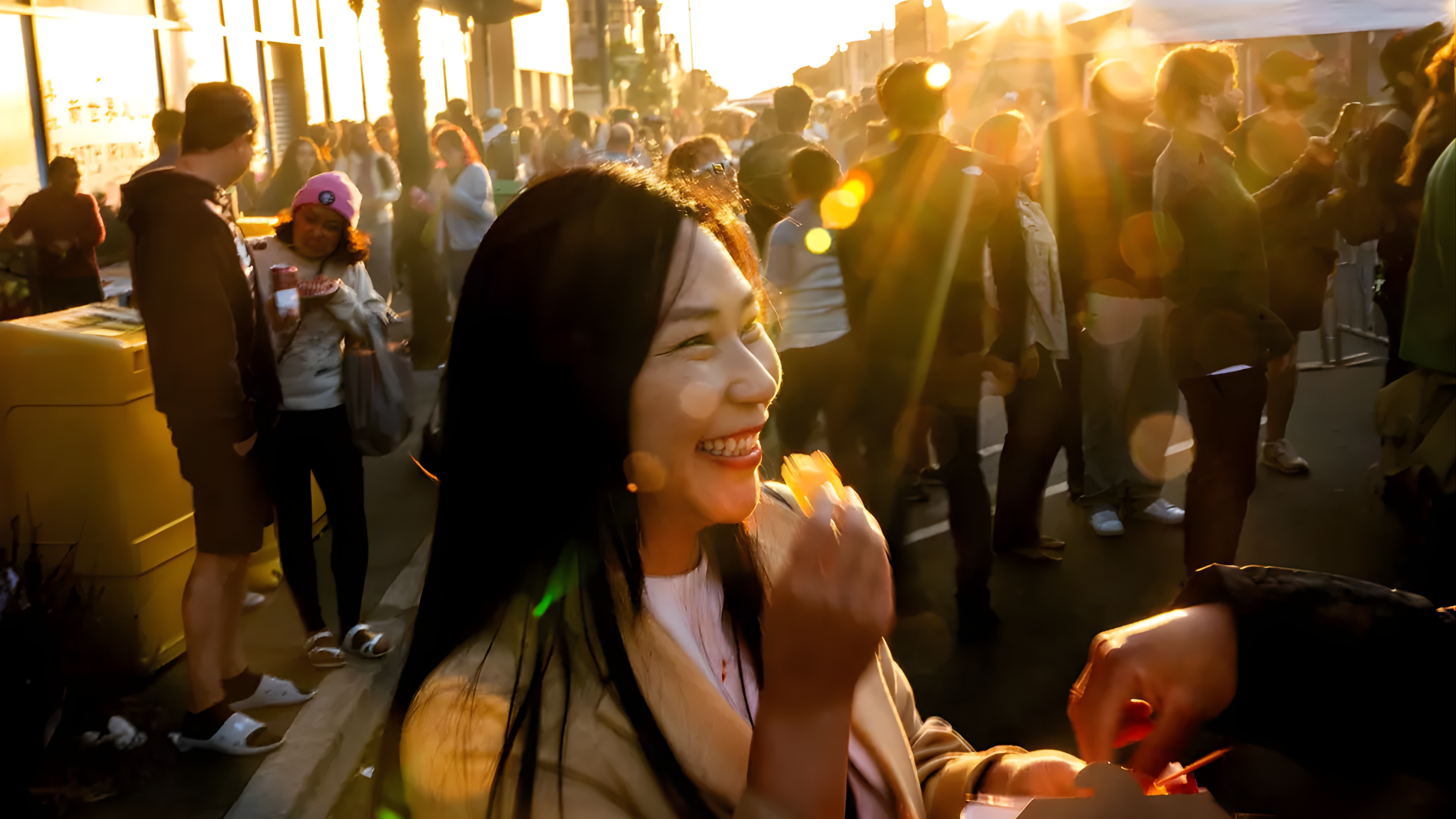
Photo Credit: Noah Berger for The Standard
This week marks the beginning of a new year in many parts of the world. Nearly twenty years ago, I spent a month traveling through China during this season, moving through cities and villages where time felt organized differently than what I was used to.
What stayed with me wasn’t a single celebration. It was the rhythm of everyday life. The way certain streets, courtyards, and thresholds seemed to anticipate what would happen next. They weren’t simply backdrops. They held patterns of movement, pause, and gathering that people returned to again and again.
Ritual, I realized later, isn’t something layered on top of daily life. It’s embedded within it.
We often think of ritual as symbolic — holidays, ceremonies, moments set apart. But much of what shapes our social lives is quieter than that. Repeated routes. Familiar pauses. The place where neighbors reliably cross paths. The bench that becomes an unofficial meeting point. The corner table claimed each morning without discussion.
These patterns rarely announce themselves. They’re easy to overlook precisely because they’re ordinary. Yet over time, they do important work. They create predictability. They lower the effort required to connect. They make shared life feel less fragile because interaction doesn’t have to be initiated from scratch each time.
Place plays a role here.
Some environments support repetition naturally. They offer clear paths, edges to linger against, thresholds that slow rather than rush. They give rhythm somewhere to land.
Others interrupt it — compressing time, discouraging pause, making each interaction feel scheduled instead of incidental.
Ritual doesn’t require spectacle. Often, it simply requires conditions that allow people to return — again and again — without having to work so hard to begin.
Places that make return easy quietly hold our shared life.
Further Reading
If you’re interested in how repeated patterns in space shape social life, Ray Oldenburg’s work on “third places” remains foundational — especially his book The Great Good Place, which explores why informal gathering spaces matter for community life.