

The Quiet Cost of Starting the Year in a Hurry
The days between Christmas and the New Year tend to blur together. Schedules loosen, inboxes quiet, and time feels briefly less compressed. For a moment, slowing down doesn’t feel like falling behind - it feels permitted. And then, almost immediately, the pressure returns.
New goals, new habits, a fresh start. We’re encouraged to begin the year with momentum. I’ve been wondering what that reflex costs us, especially when it comes to how we relate to one another.
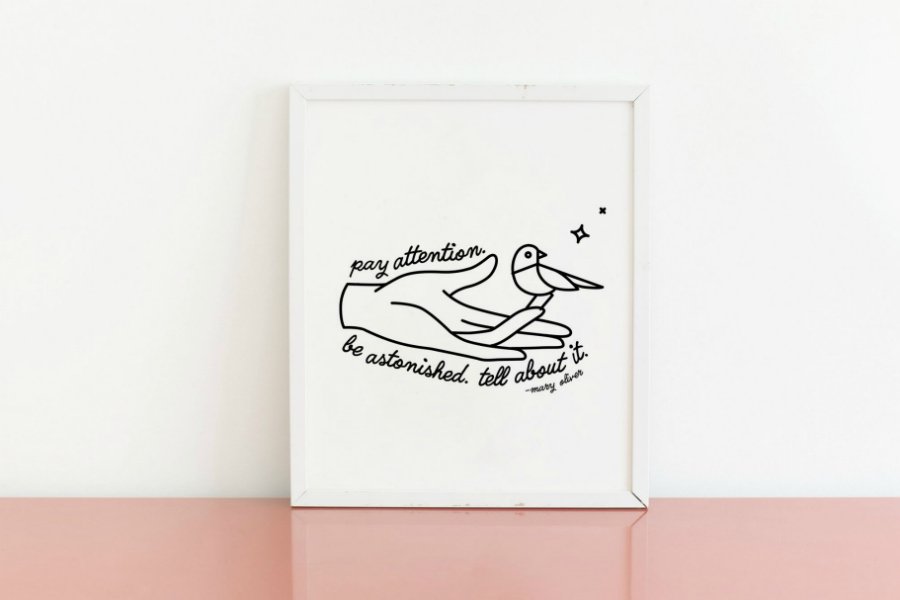
On Pace and Permission
Speed is so normalized in modern life that we rarely question it. We talk about whether we’re productive enough, disciplined enough, efficient enough - not whether the pace we’re keeping actually allows for attention, care, or connection.
Starting the year “strong” is often framed as a personal virtue, something to be managed through better planning or stronger willpower. But pace isn’t just an individual choice. It’s shaped by expectations, systems, and environments that quietly reward movement over presence.
The Social Cost of Speed
That pace has social consequences. When time is tightly managed, conversations shorten. Invitations feel harder to accept. Informal moments - the ones where relationships tend to deepen - are the first to disappear.
There’s little room for lingering, and without lingering, there’s less space for the kinds of connection that don’t fit neatly into calendars. Over time, rushed lives don’t just feel busy; they feel thinner.
This is one of the ways loneliness quietly takes root - not because people don’t care, but because the conditions of daily life leave little room for care to unfold. We often respond by asking individuals to try harder: to reach out more, to be more intentional, to make time.
But effort alone can’t compensate for environments that consistently compress time and attention. Pace, like space, is a condition - and it shapes what becomes possible between people.
Making Room
Make it stand out
Whatever it is, the way you tell your story online can make all the difference.
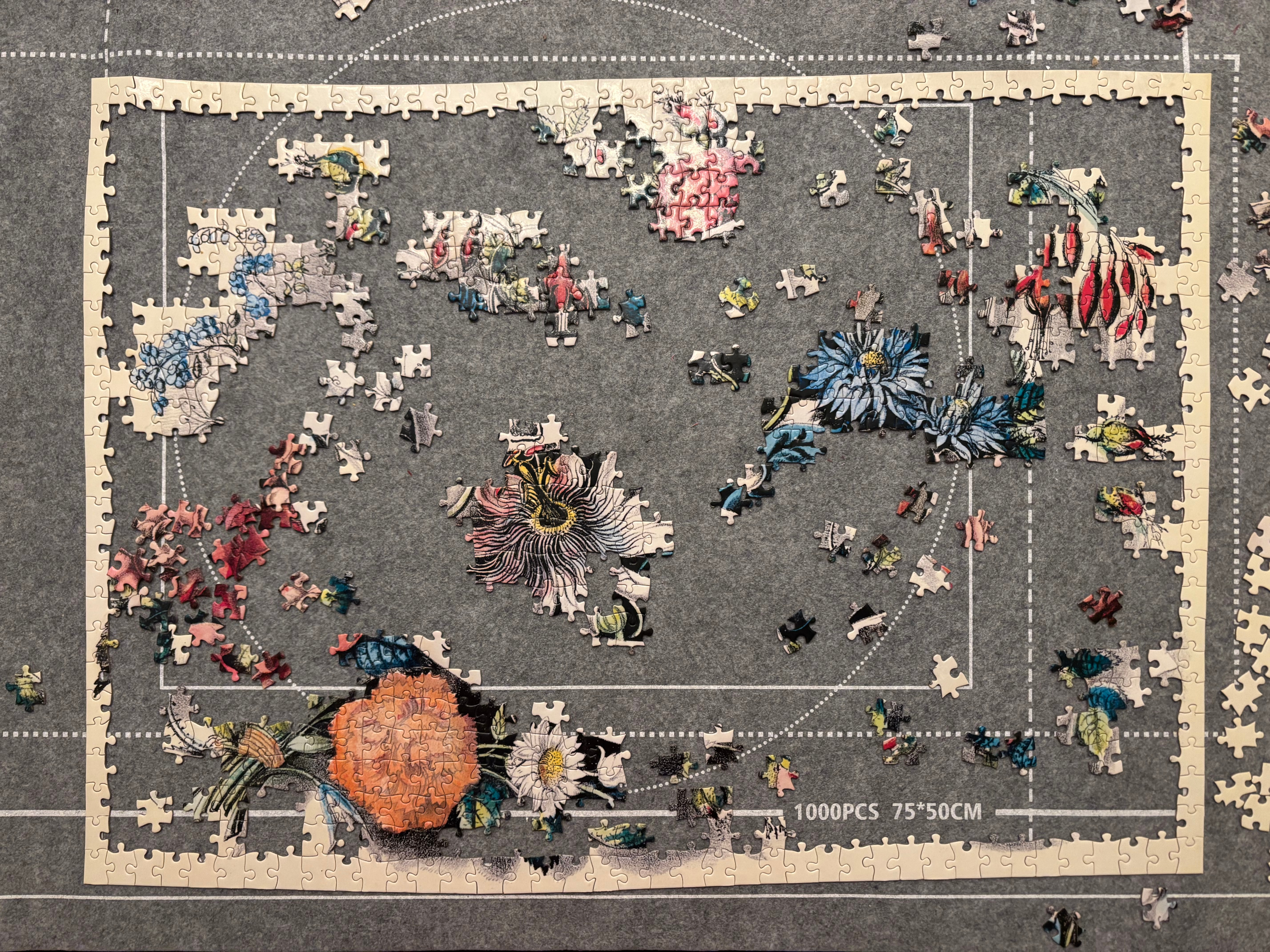
This past week, I pulled out a puzzle for the first time in over a year. It wasn’t efficient or productive, and it didn’t accomplish anything measurable. But it changed the tone of the room.
We stayed at the table longer.
Conversations wandered.
There was no urgency to move on.
Nothing about it was extraordinary - and that was the point.
The shift wasn’t in what we did, but in how much room we allowed it to take.
Orientation, Not Resolution
As the year turns, I’m less interested in resolutions than in orientation. Before rushing forward, it may be worth asking what pace makes care, attention, and connection possible - and whether we’re willing to choose it, even briefly.
That choice, too, shapes the kind of year we’re about to enter.
I’m an architect and researcher exploring how places shape social connection, health, and how we care for one another.
Learn More
If you’re curious to explore the ideas behind this conversation, these articles and conversations are a great place to start:
Science, Song, and Soul: Dr. Daniel Siegel and musical artist Bob Sima join up to bring in the new year and release old narratives.
The Work of Rest: A reflective piece on investing in yourself through rest and intentional pauses, published on Psychology Today.
Sacred Dinners: Want to host more intentional, deep, and meaningful experiences this year? Charles Vogl shares free guides to help transform gatherings into spaces for real connection.