

The Day Your Corner Store Disappears
What we lose when the places that hold our neighborhoods disappear.
I pulled around to the back of the building. I'd never been back there before.
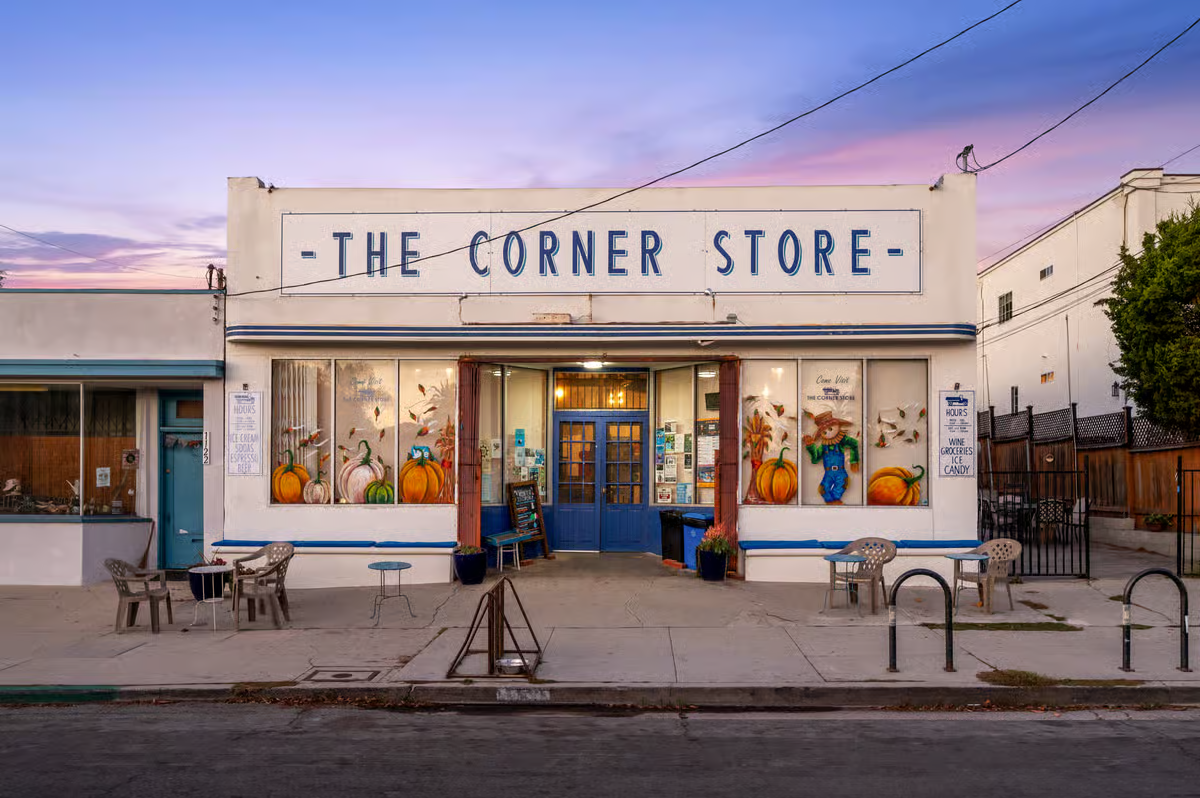
Our favorite coffee shop couldn't operate and was at risk of closing permanently. So they'd started selling groceries — just what they still had coming in from suppliers. Carrots. Cheese. Milk. Eggs. The occasional prepared salad as a small treat.
My husband and I lived off their southwestern chicken salad for days at a time. The manager would come out with a cardboard box and load it into the trunk. She'd say thank you in a way that made clear how much it mattered. I'd say thank you back in a way that meant: I know. We both knew.
I'd never been to the back of that building before. It felt both strange and necessary — like helping a friend move, the intimacy of being somewhere unexpected because the situation required it.
I am writing this newsletter from that coffee shop right now. It survived. At least in part because our family and many others chose to treat it as infrastructure when it needed us to.
What we were doing without naming it was maintaining what sociologist Mark Granovetter called weak ties — the relationships that live in the corners of daily life rather than at its center. The barista who knows your order. The manager who recognizes your face. The regulars you nod to without knowing their names. These feel like minor social pleasures. Research suggests they are something more structural than that.
Granovetter's foundational work found that weak ties carry more novel information and diffuse social support than strong ties — precisely because they connect you to people who move through different worlds than you do. Your close friends mostly know what you already know. The people you see every Tuesday at your local coffee shop don't. And most of those relationships are not maintained through effort or intention. They're maintained by the simple fact of returning to the same place often enough that recognition builds on its own.
When the place closes, the ties don't transfer. They dissolve.
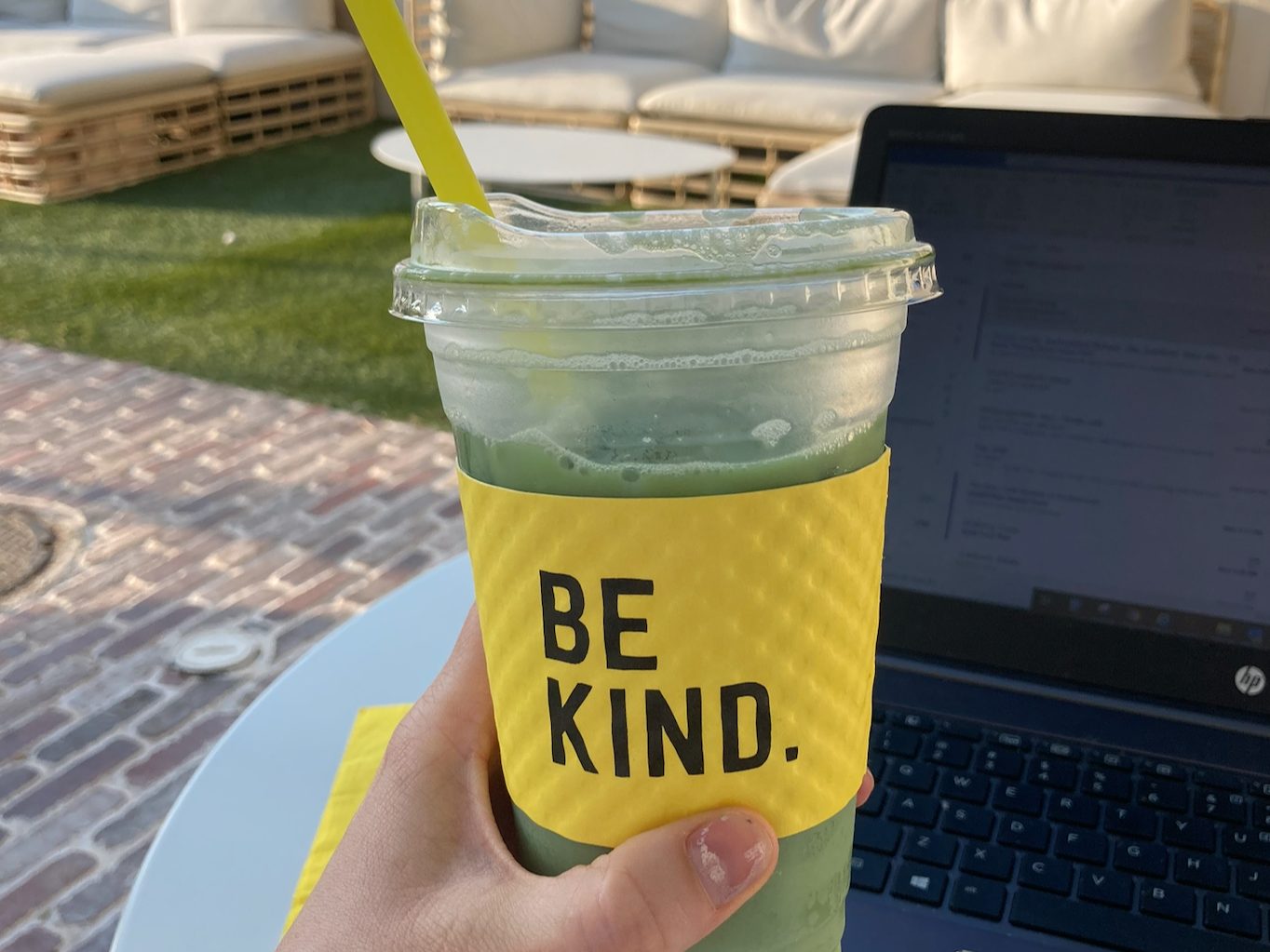
This is what gets lost when a neighborhood coffee shop becomes a chain, or when the corner store becomes a drive-through pharmacy a mile away, or when the small errand that used to take twelve minutes and two conversations moves online. The transaction becomes more efficient. The weak tie doesn't form. And communities that lack weak ties don't just feel less connected — they function less well. Information travels more slowly. Trust drops. The neighbor you might have called in an emergency is someone you've never met.
The coffee shop survived our particular crisis. Many didn't. And we noticed — in ways that were hard to articulate but easy to feel — that something was missing from our neighborhoods in the years that followed. Not just the place itself but what the place had been quietly doing all along: holding the fabric of daily life together, one small transaction at a time.
What place in your neighborhood are you treating as infrastructure — showing up for, spending money in, telling people about — because you know what it would cost to lose it?
Further Reading
A few insightful resources to help you explore how relationships and networks shape economic life.
Understanding Economic Sociology through Granovetter— a clear and beginner-friendly article unpacking how social connections influence economic behavior.
Explaining the Strength of Weak Ties (Video Overview)— a short video that breaks down Granovetter’s core ideas, especially how weaker social ties can create powerful opportunities.