

Is Your Neighborhood Optimizing For Connection?
What we give space to reveals what we believe matters most.

I spent a week living in a cohousing community in Colorado — not as a researcher, but as a guest, eating at the common table, walking the shared paths, watching my daughter find other children without anyone arranging it.
The thing that struck me first wasn't the common house or the shared garden. It was where the cars were.
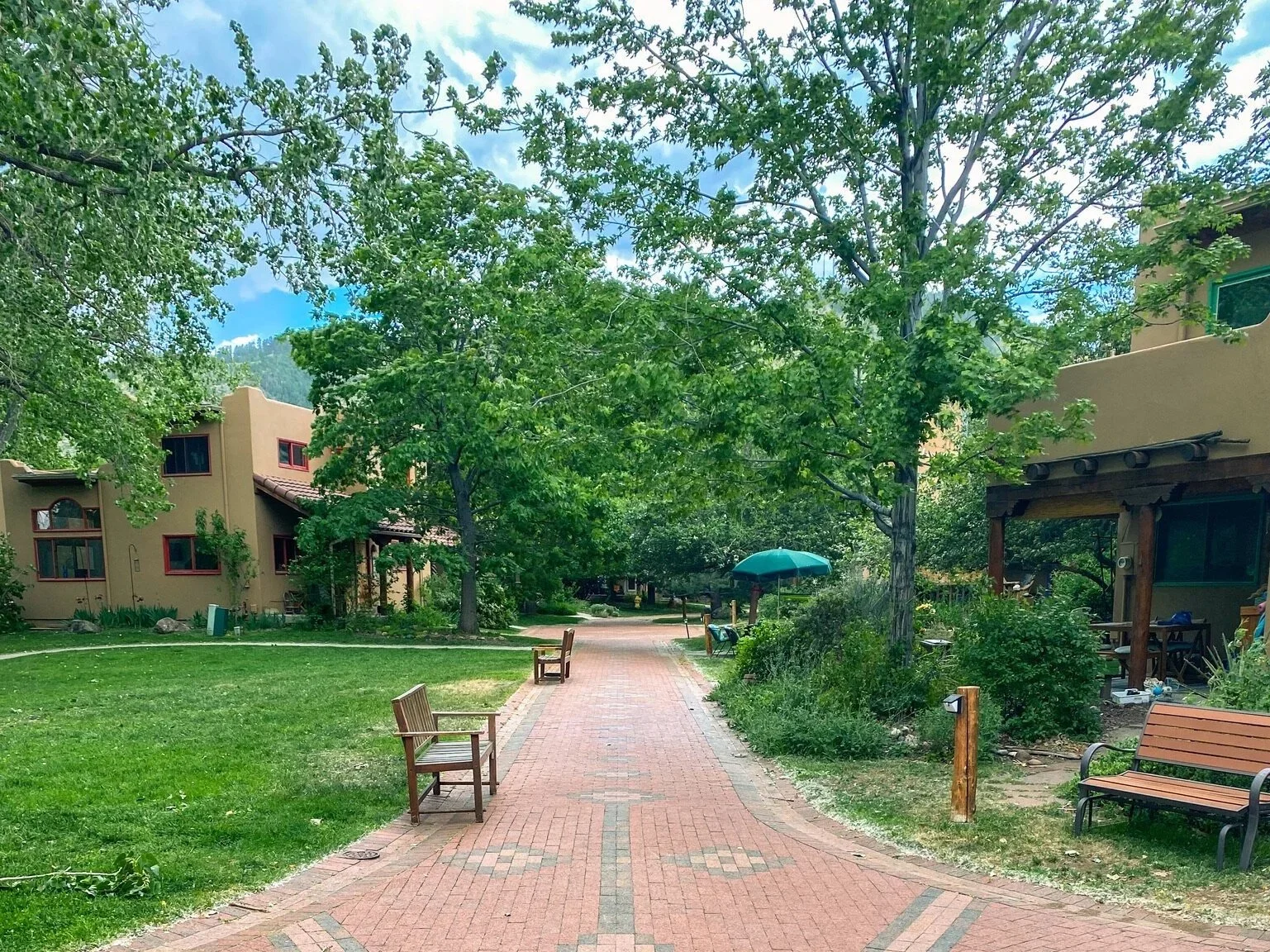
They were on the outside. All of them. You park at the perimeter and walk in. The paths between houses belong entirely to people — no engines, no exhaust, no calculating whether a child is about to run into traffic. Just humans moving at human pace through shared space.
It sounds like a small thing. It isn't.
Cohousing communities — a model that originated in Denmark in the 1960s — are built around a few consistent design principles: a common house, shared grounds, and the pedestrian way. Everything else varies. What doesn't vary is the decision to put people, not cars, at the center of daily movement.
The condition this creates is simple: repeated, low-stakes encounter. You can't drive to your front door, so you walk. You pass your neighbor's garden. Someone's cooking in the common house and the smell reaches you. A child you half-recognize runs by. None of this was arranged. It happened because the path required you to move through shared life rather than around it.
This is what sociologist Mario Luis Small calls the relational load that places carry for us — the social maintenance that environments do on our behalf, quietly, without our having to decide to connect.
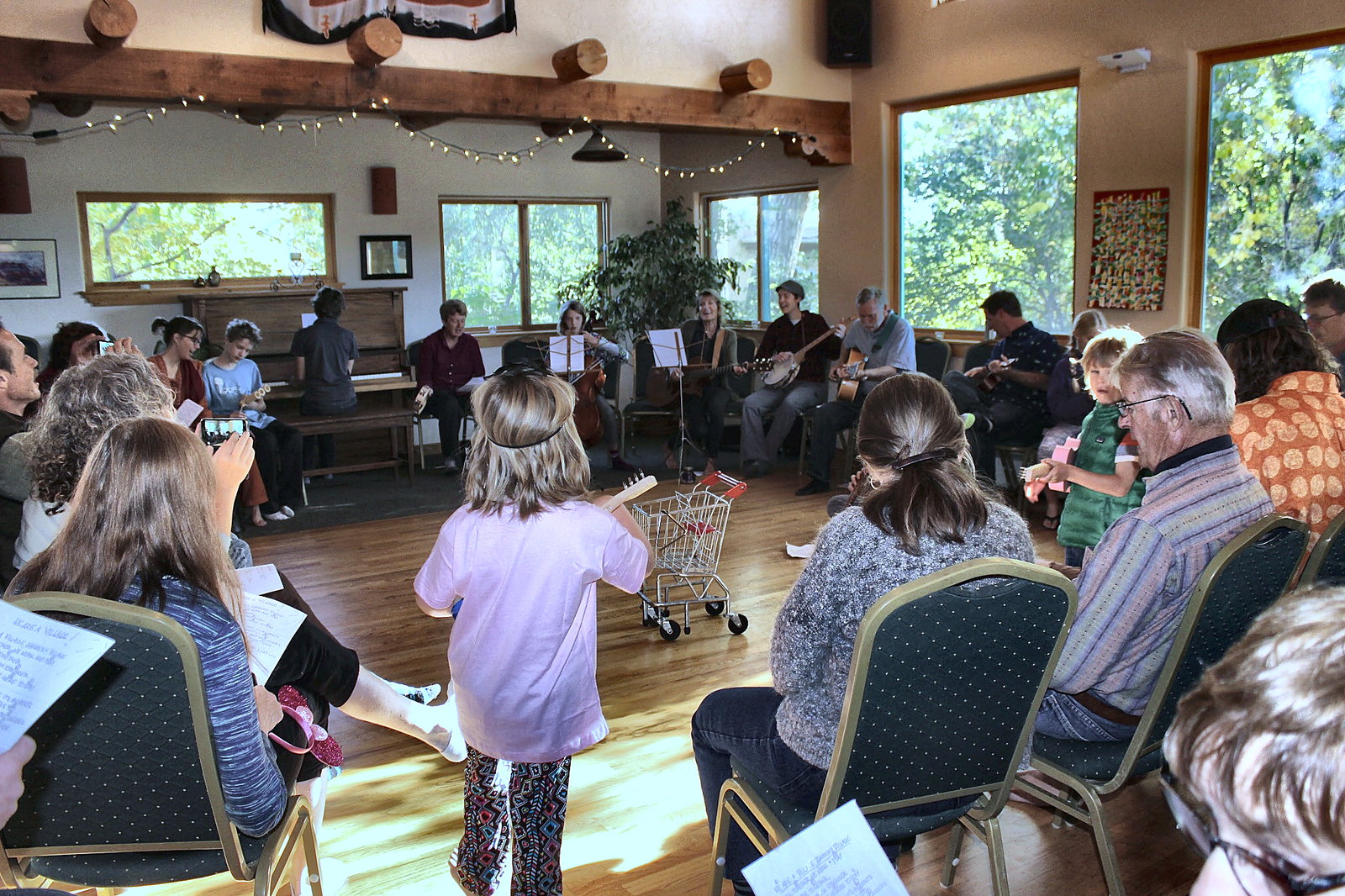
A man I'll call Cam first encountered cohousing in Denmark, biking past a neighborhood that looked, as he put it, "weird and cool." He struck up a conversation with a resident, got drawn in, and thought: that's what I want. He spent decades moving toward it — a basement studio in Massachusetts, years abroad, a middle-of-the-night Google search that landed him on a waitlist he forgot about until an email arrived years later asking if he was still interested.
He called his wife. They drove separately to the showing. They talked all the way home about their visions for what it could be. It wasn't until they arrived that they realized they'd each forgotten the other's car.
They'd been so absorbed in imagining the life that they forgot the object the whole built environment had spent decades centering.
Most neighborhoods are designed around the opposite assumption: that the car is the primary unit, and human movement is what happens in the margins. Driveways to garages. Garages to front doors. Yards that face outward but enclose inward. The neighbor two houses down you've never met because there's no path that takes you past them.
This isn't accident. It's a design value, expressed in asphalt and setbacks and square footage calculations that count the garage but not the stoop.
The question worth asking about any neighborhood — including yours, including mine — is simple: what did the designers give the most space to? What they gave space to is what they believed mattered most.
The pedway at Harmony Village is a one-line answer to that question. It says: people come first. Everything else is at the periphery.
Where in your daily life does the path you have to take put you in contact with other people — not by choice, but by design? And where does it route you around them?
Further Reading
A few thoughtful resources to deepen your understanding and reflection.
Pocket Neighborhoods by Ross Chapin — how shared spaces and small-scale design foster everyday connection and community.
Social Capital: The Currency of Community — with Mario Small — a conversation on how relationships and spaces shape belonging and support.