

Rebuilding Belonging
What if loneliness isn't something that happened to us, but something we built?
What
We didn't just become lonely. We built environments that made it likely.
So What:
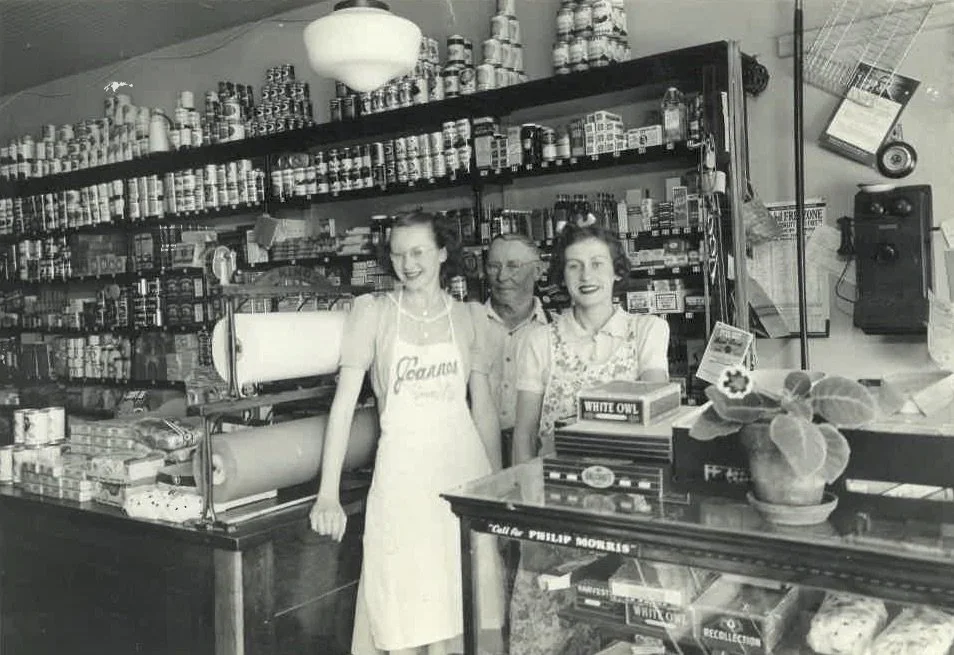
Senator Chris Murphy grew up watching his grandmother shop at a locally owned grocery store in Connecticut. The deli counter worker had been there for years. He passed a free slice of cheese over the counter. The conversation that followed was unhurried. Both of them left feeling cared for.
Murphy grew up to represent Connecticut in the U.S. Senate. When he started writing and speaking about loneliness, he was astonished by the response. People told him that when they woke up every day, loneliness was the first, second, and third thing on their minds — not because they didn't care about the economy or crime rates, but because what they were actually living inside of was the deep aloneness of a loved one, or their own.
That revelation led him to ask a harder question. What had we done to the places that made connection possible?
His answer: we replaced locally owned commerce with online convenience. We emptied downtowns. We removed what he called the places of "little meaningful touches" — not deep friendships, but the repeated human contact that quietly stitches community together.
Murphy's answer wasn't really about loneliness. It was about happiness — and the places that make it possible.
His argument wasn't sentimental. It was structural. The choices that produced loneliness were policy choices. And the choices that could reverse them are policy choices too.
This June, Murphy brought that argument to Capitol Hill during Global Loneliness Awareness Week — now in its tenth year. The Foundation for Social Connection Action Network's annual Summit gathered Congressional leaders, researchers, and advocates to advance what Murphy called issues "not frozen in political gelatin."
The conversation is moving from personal struggle to policy responsibility. From asking people to try harder to asking what we've built — and what we could build instead.
Now What:
This week, look at one place you move through every day. A store, a street, a lobby, a waiting room.
Ask:Does this place make a small human moment possible? Or does it make it nearly impossible?
That question is the beginning of a different kind of solution.
Go Deeper:
The research behind this argument runs deep. A good place to start is my conversation with Julianne Holt-Lunstad — one of the world's leading researchers on the health consequences of social isolation. We talked about Blue Zones, weak ties, and how architecture and urban design can impact our sense of loneliness. Listen here.