Human Scale in Architecture: Why It Matters and How to Design for Comfort
What Is Human Scale?
Human scale in architecture refers to environments designed in proportion to the human body, senses, and movement. These spaces use detail, variation, and enclosure to create places that feel comfortable, legible, and inviting.
When environments are scaled to cars, speed, or visual impact, people tend to move quickly and disengage. When they are scaled to human perception, people slow down, look around, and are more likely to interact.
This isn’t just preference—it reflects how we respond to our surroundings at a physiological level.
Why Human Scale Matters
Stress + the nervous system
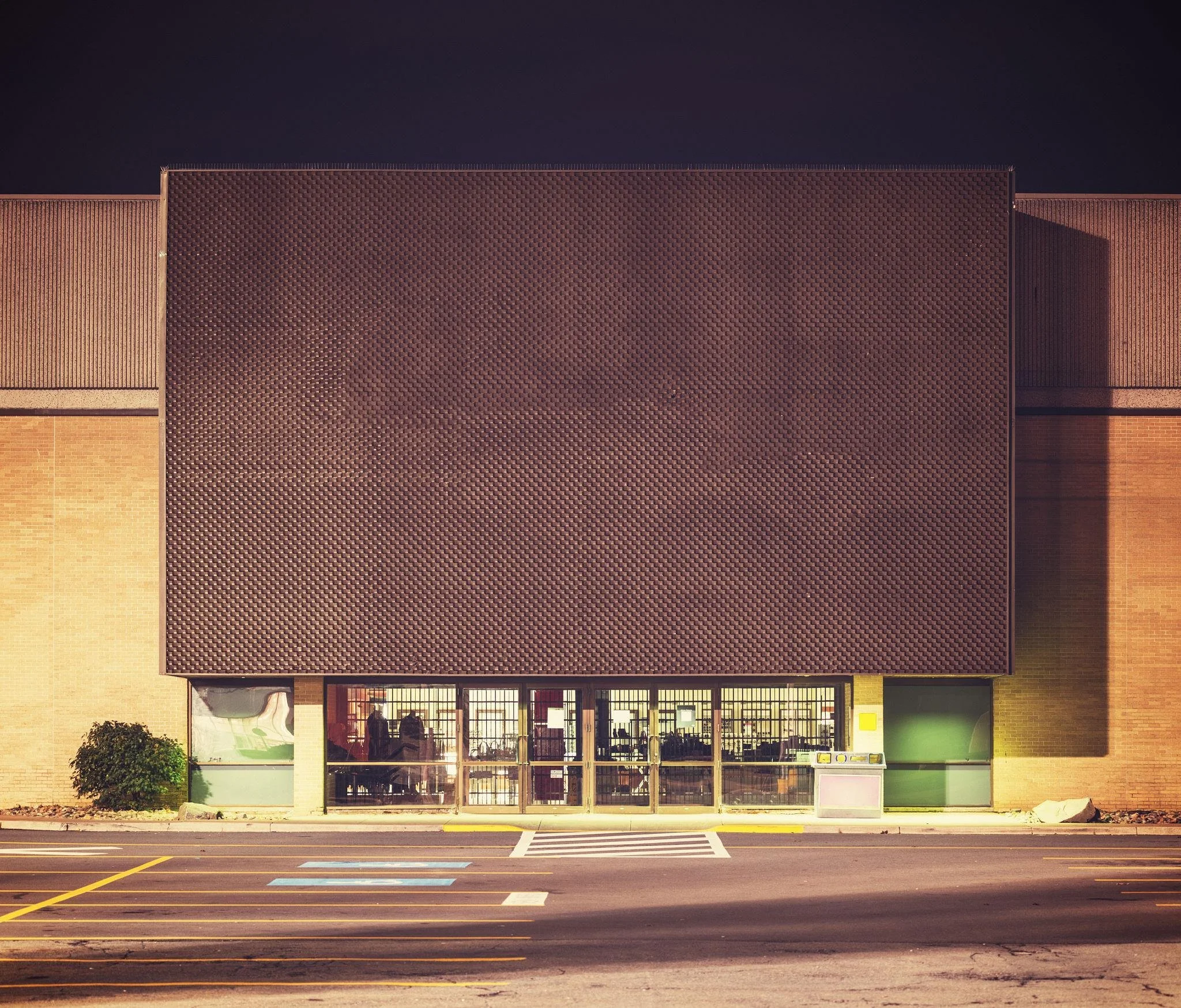
Environments that are oversized, blank, or monotonous tend to increase vigilance. People feel exposed and move through them quickly.
Human-scaled environments—those with detail, edges, and variation—help people feel more at ease. The difference is subtle, but consistent.
Movement + behavior
People don’t move through all environments the same way.
Monotonous streets → faster walking
Detailed, engaging streets → slower movement
Speed matters. When people slow down, they notice more—and are more likely to stay.
Social interaction
Interaction rarely starts in motion.
It begins when people pause—when they linger long enough to notice someone else, make eye contact, or exchange a few words.
Human scale increases the likelihood of those moments.
What Human Scale Actually Looks Like
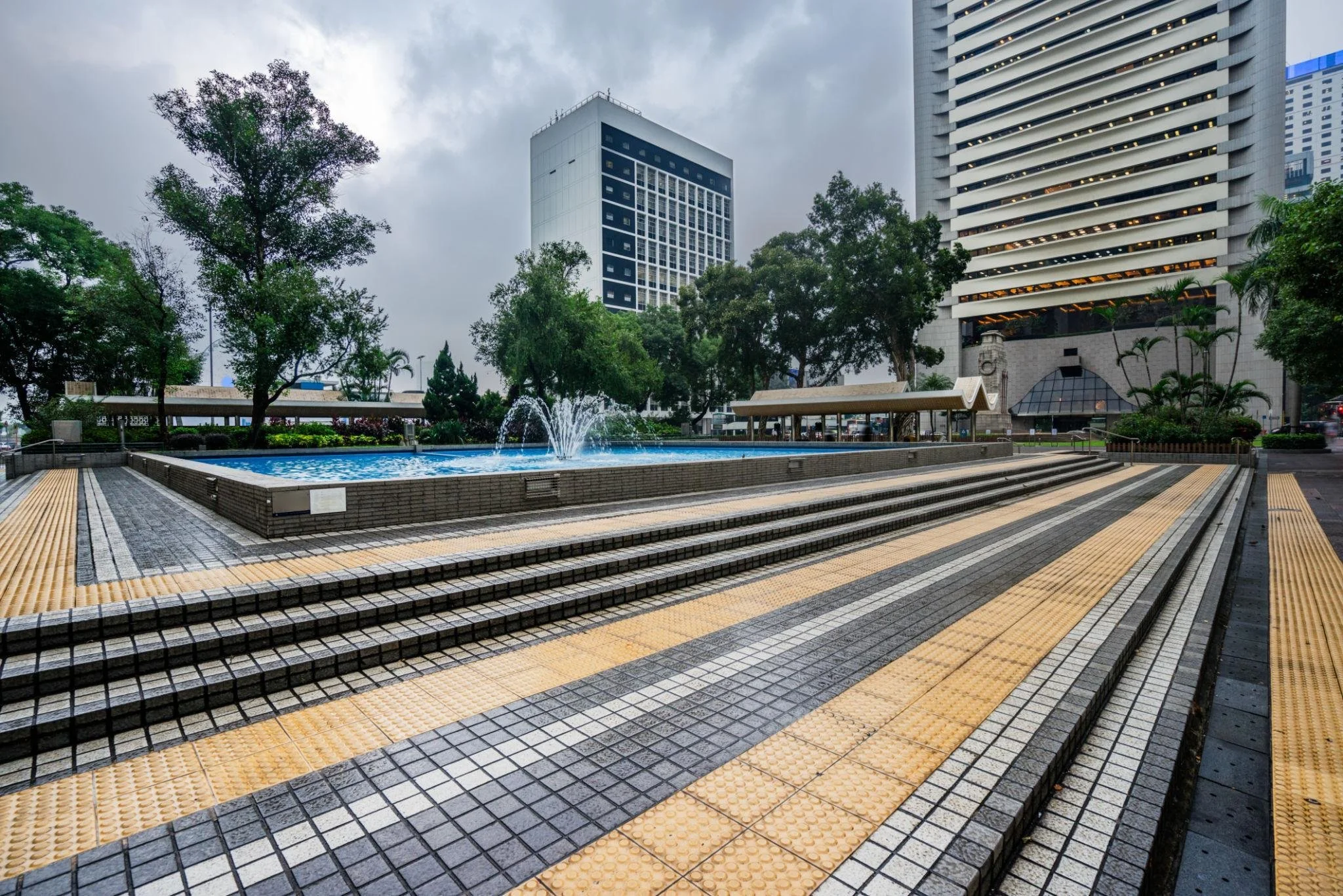
Human scale isn’t just about size—it’s about how a place performs at eye level.
Look for:
Visual detail: something to notice every few steps
Variation: changes in materials, rhythm, or storefronts
Edges and enclosure: places to sit, lean, or feel partially protected
Transparency: visibility into spaces and human activity
Overhead cover: trees, awnings, or canopies
Human-paced rhythm: shorter blocks, smaller units, frequent entrances
Example: Human-scale environments

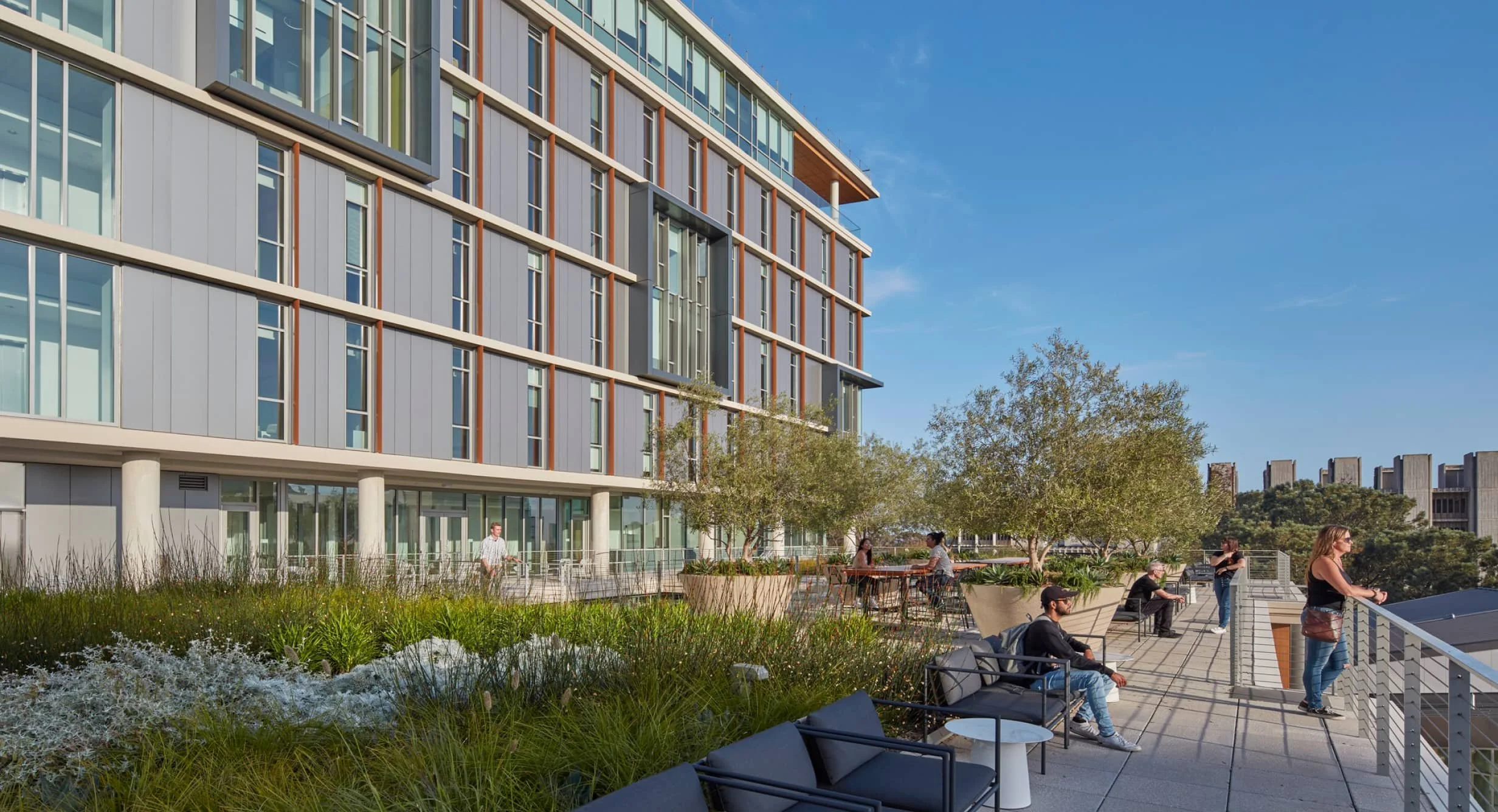
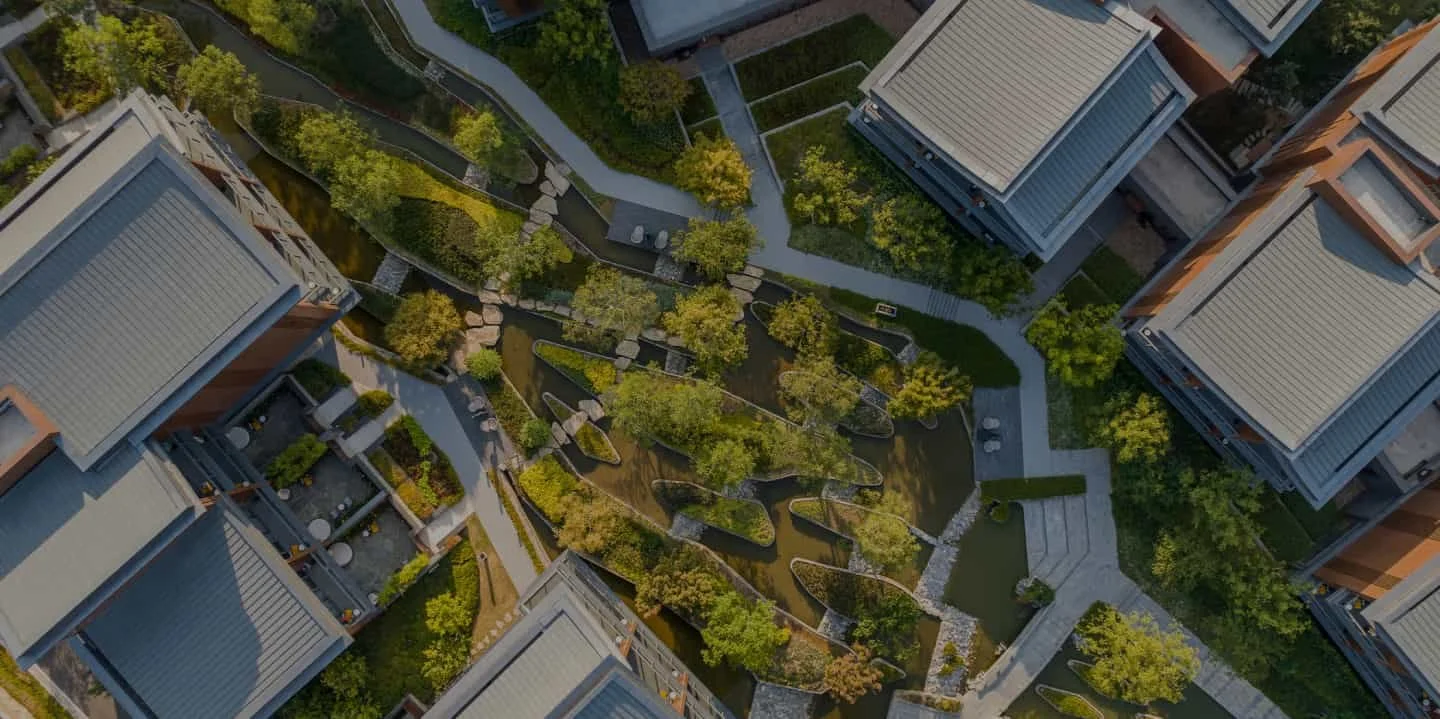
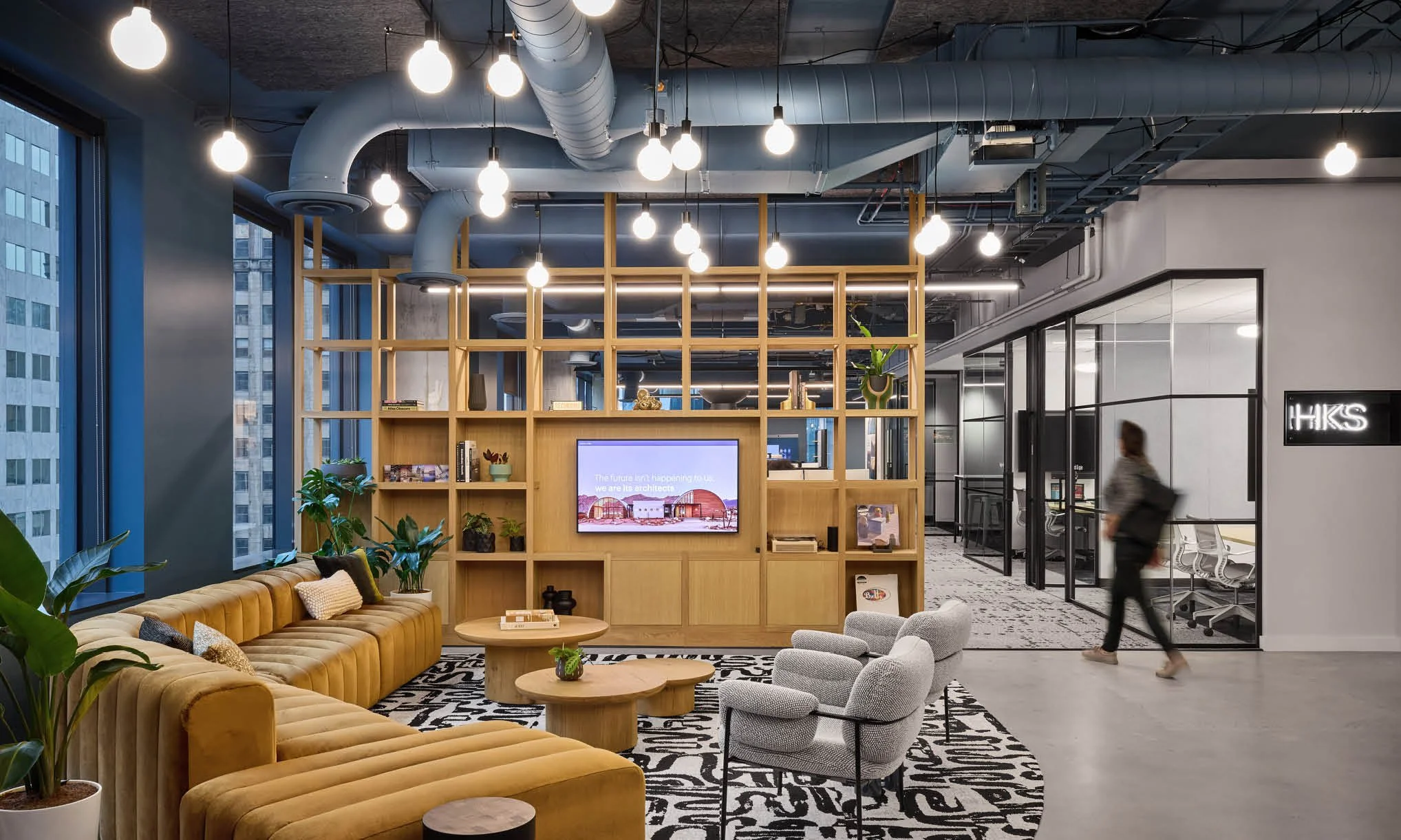
Example: Environments that lack human scale
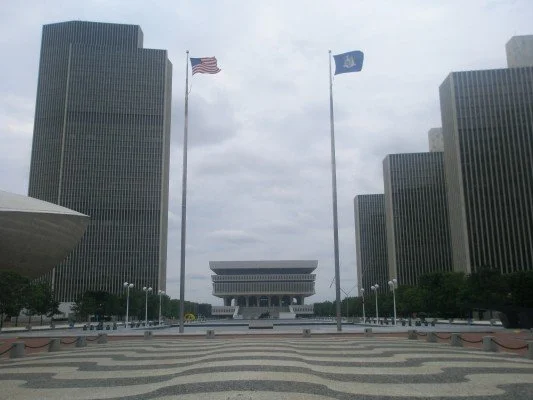

When Human Scale Is Missing
People rarely describe a space as “lacking human scale.”
Instead, they say:
“It feels cold.”
“There’s nowhere to stop.”
“I just want to get through here.”
But the pattern is consistent.
These environments tend to:
increase stress
speed up movement
reduce eye contact
discourage interaction
They are efficient—but socially thin.
Prospect and Refuge
People tend to feel most comfortable in places where they can see without being fully exposed.
A booth in a café.
A porch facing the street.
A seat under a tree.
These spaces offer a balance of openness and protection, which makes it easier to relax—and stay longer.
Human scale often works by layering these conditions throughout a space.
A Quick Human Scale Audit
You can assess a space in under a minute.
Ask:
Do I feel comfortable stopping here?
Is there something to notice every few steps?
Are there places to sit, lean, or gather?
Do I feel exposed—or supported?
Can I easily see other people?
If most answers are no, the space likely isn’t scaled for people.
Final Thought
When environments are designed for speed, efficiency, or spectacle, people tend to withdraw.
When they are designed for human bodies and senses, people slow down, look up, and connect.
That shift—subtle but powerful—is where social life begins.