But First, Regulation
First published in Psychology Today on March 2, 2026.
Key points
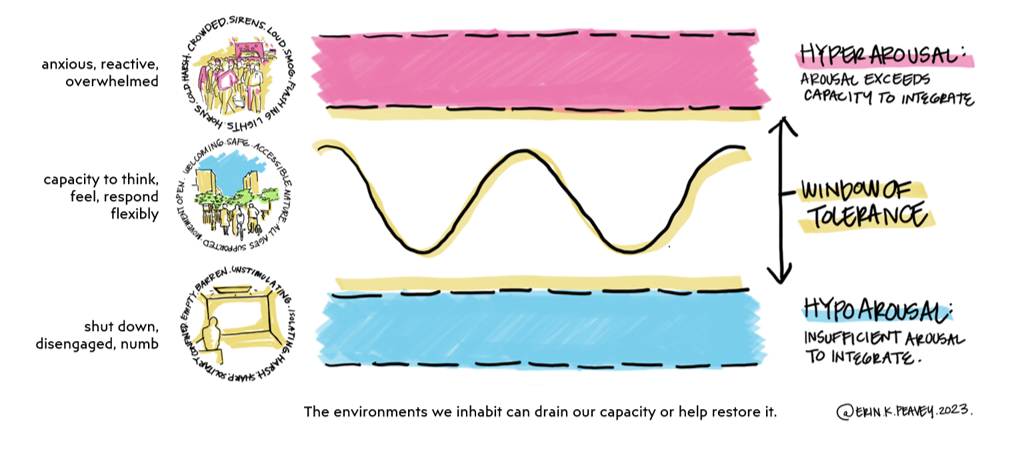
Learning and cognitive functioning depend on whether the nervous system is regulated enough to engage.
Stress doesn't just affect mood — it reduces access to the thinking brain itself.
Regulation is not the goal of learning environments; it is the precondition.
A child is tapping their pencil. Then louder. Then kicks the chair in front of them.
The teacher asks them to stop. They do for a moment, then start again.
It can look like defiance. Or a lack of effort.
But there may be another layer we don’t always consider: not just what’s happening inside the child — but what the child is inside of.
We often treat learning as something that can be accessed with enough motivation and discipline. But learning depends on something more basic: whether the nervous system is in a state that allows for attention, memory, and reasoning.
Cognitive processes rely on systems that are sensitive to stress. When stress increases, the body reallocates resources toward managing potential threats. This can reduce access to executive functions such as working memory and impulse control.
This is not simply a matter of willpower. It reflects how the brain and body respond to changing conditions.
…
Read the full article here: Psychology Today