The Power of Place in Shaping Health, Well-being, and Social Connection
Design to Heal Loneliness
Our built environments shape our social experiences and opportunities for connection. Spaces designed and activated to facilitate social connection can help us overcome loneliness by sparking or supporting meaningful relationships.
Erin’s TEDx Deep Ellum shares design strategies to heal loneliness, and foster connection. The associated report is a much-needed resource on how to design for social health and empowers everybody with the tools to create better spaces.
Sharing the message.
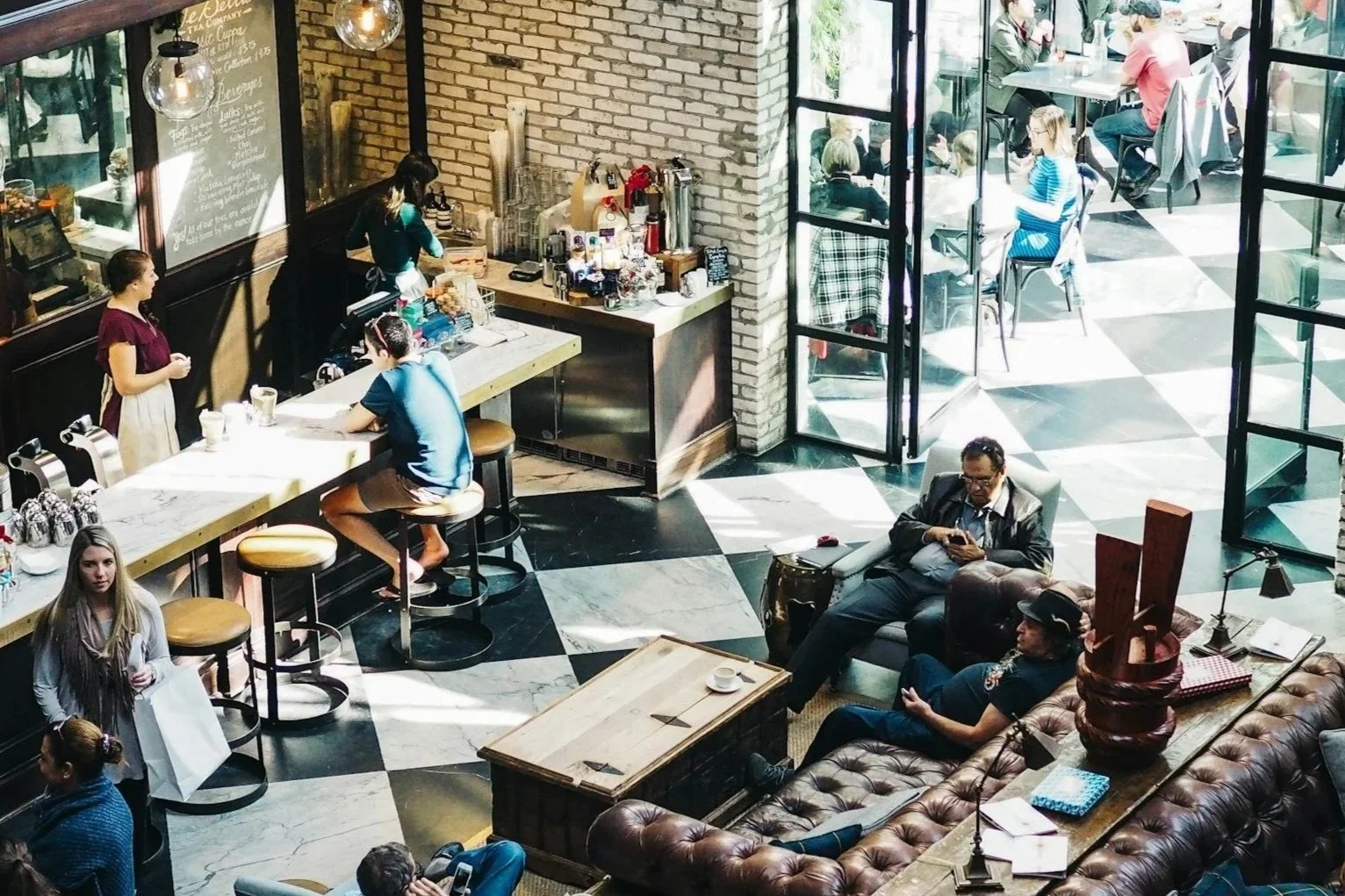
City Design for Social Connection
Erin talks with National Geographic about how small changes in our neighborhoods can make a big difference in how connected we feel.

BBC - Places that Heal Loneliness
Erin joins the BBC Radio 4 to discuss the role of the built environment in fostering social connection and healing loneliness.

Design for Community Connection
Erin writes for Psychology Today about how city design can impact loneliness and community well-being to benefit everyone.
Listen here.

Design for Social Health.
The physical environment is recognized by countless health agencies as a foundational element our health ecosystem, influencing how we think, feel, and behave.

Loneliness & Our Health.
Approximately half of American adults are lonely. Loneliness and social isolation have been linked to sleep loss, ill health, dementia, premature death, and even heartbreak—literally.

Spaces of Connection.
Humans have an enduring need for communal gathering places, those places where people can come together for celebration, ritual, and the mundane. Third places — places like cafes, parks, libraries — can help support social health.
Featured In.