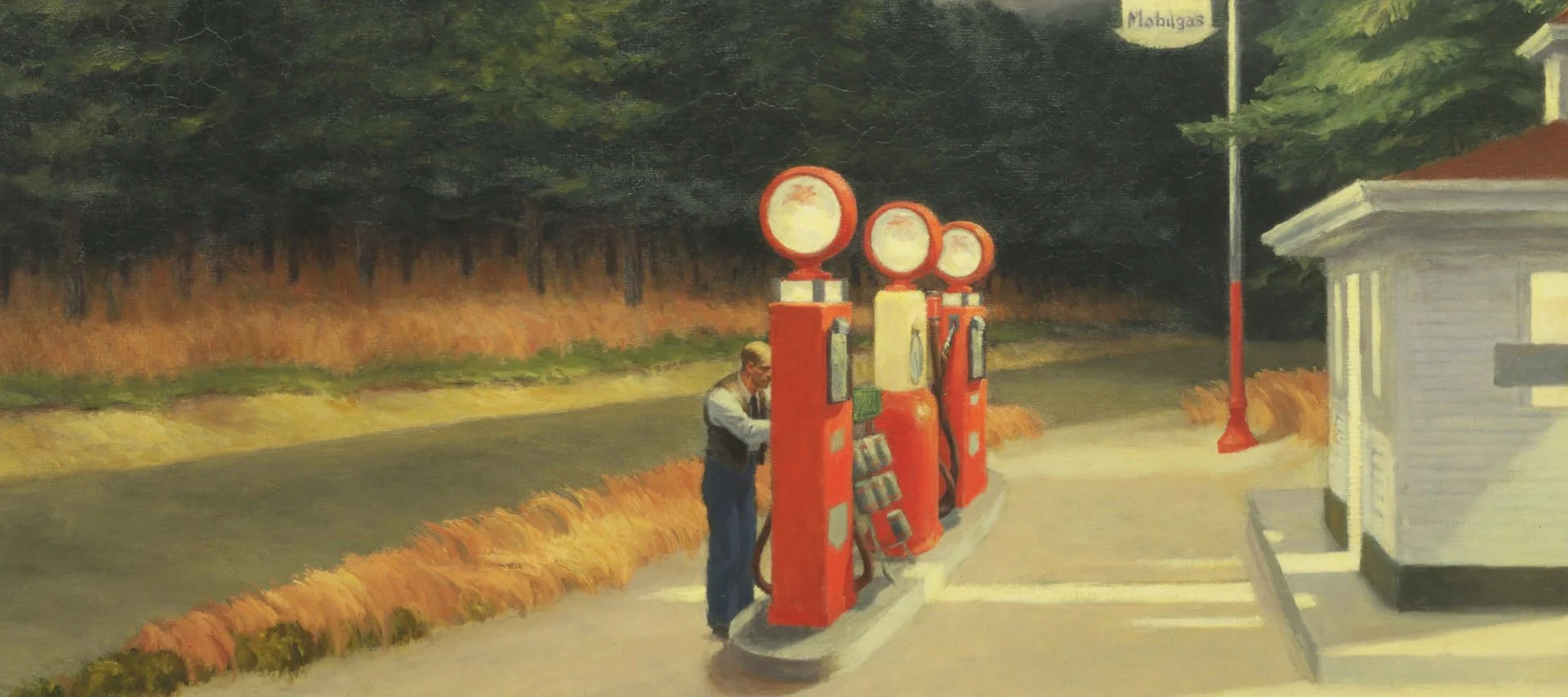
PANACHe — Dimension One
Placeness
Crafting a place as unique as the people who use it.
Why This Dimension Matters
We value uniqueness — in a favorite show, a close friend, a beloved local hangout — and third places are no different. Capturing what makes a place and its community distinct is essential to making it feel authentic rather than interchangeable. A space doesn't need mass appeal to succeed here: a small, quirky detail that reads as strange to an outsider can be a beloved neighborhood icon precisely because of what it signals to the people who actually use the place¹
Distinctive third places often serve people who lack that kind of belonging elsewhere — connecting new mothers, people facing a cancer diagnosis, or others navigating a shared experience with people in similar circumstances.² Local identity can show up through rotating local art, community-made murals, or décor that reflects the specific people who use the space — and when the community participates in shaping the place itself, it becomes a genuine reflection of the people who live and work there, not just a container for them.
“BEHIND THE NAME”
This dimension was originally named "Sense of Place," and later renamed Placeness after Erin connected it to geographer Edward Relph's concept of "placelessness" — his term for environments that lose distinctive character and become interchangeable, "could be anywhere" spaces (Relph, Place and Placelessness, 1976).
Putting it into practice
How Placeness shows up
Across every project, Placeness operates on three interdependent layers — what's built, what's programmed, and what's permitted.
PHYSICAL ENVIRONMENT
Offer space to linger and socialize with staff or fellow patrons — kitchen or bar seating
Use art and décor specific to the people and place, such as team memorabilia or rotating local student art
Let smaller spaces within larger buildings be co-created by the people who use them
PROGRAMMING
Host community meetups, fundraisers, or PTA events that connect people to place
Organize recurring events — live music, trivia — that let people start their own traditions
POLICY
Work with community members to co-create design and programming
Advocate for tax and leasing incentives favoring local, small businesses
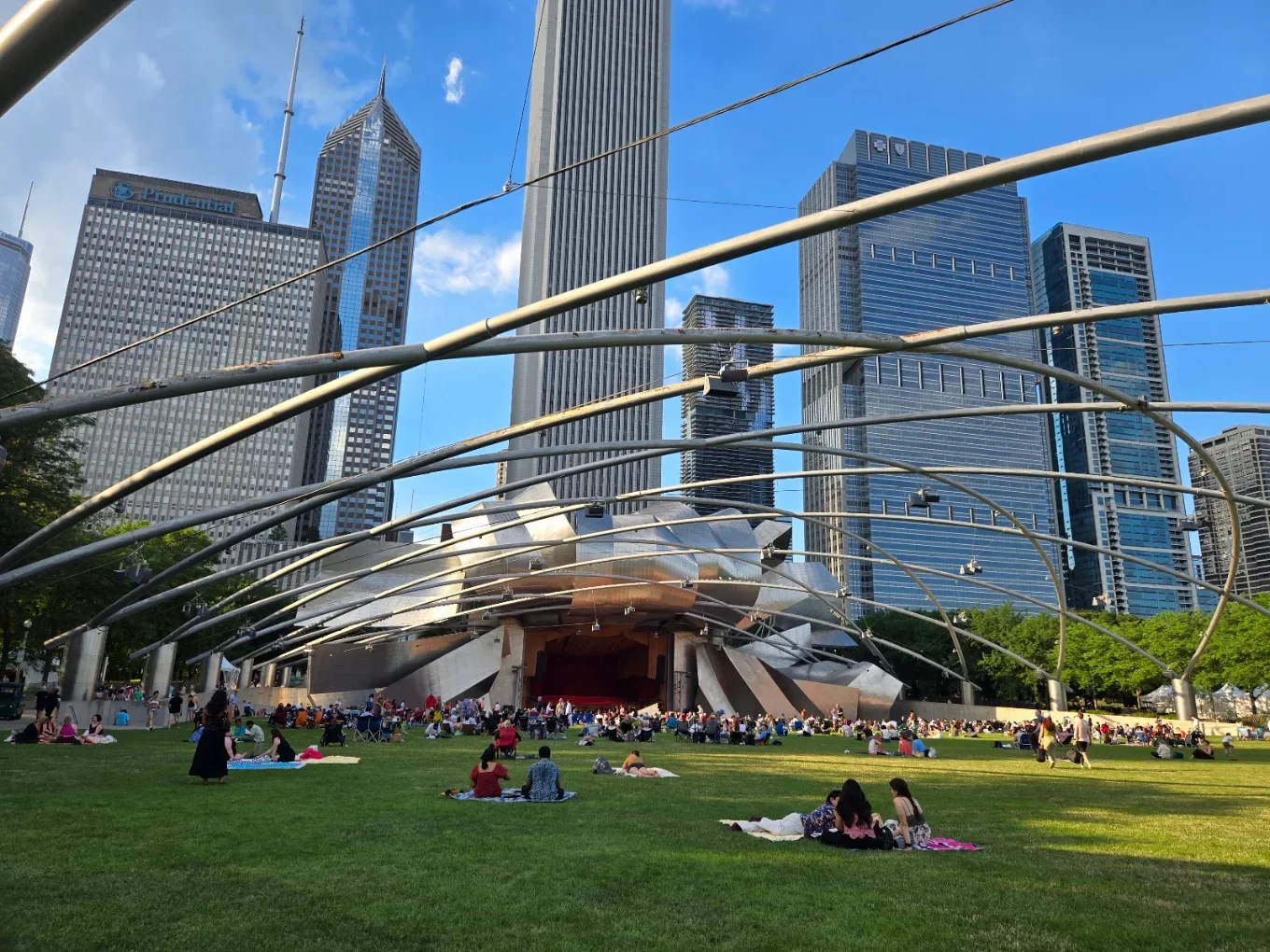
Millennium Park
Chicago, Illinois
Once a rail yard and parking lot considered a civic eyesore, Millennium Park became one of the world's largest rooftop gardens — anchored by unmistakably Chicago-specific art, from the "Cloud Gate" sculpture to Frank Gehry's concert pavilion to a fountain depicting the faces of actual Chicagoans. The specificity of the art, not just the park itself, is what makes the space feel like it could only be there.
CASE STUDY
SOURCES
Cattell et al., 2008“Mingling, observing, and lingering: Everyday public spaces and their implications for well-being and social relations”
Glover & Parry, 2008, 2009“A third place in the everyday lives of people living with cancer: Functions of Gilda's Club of Greater Toronto”
SOURCES
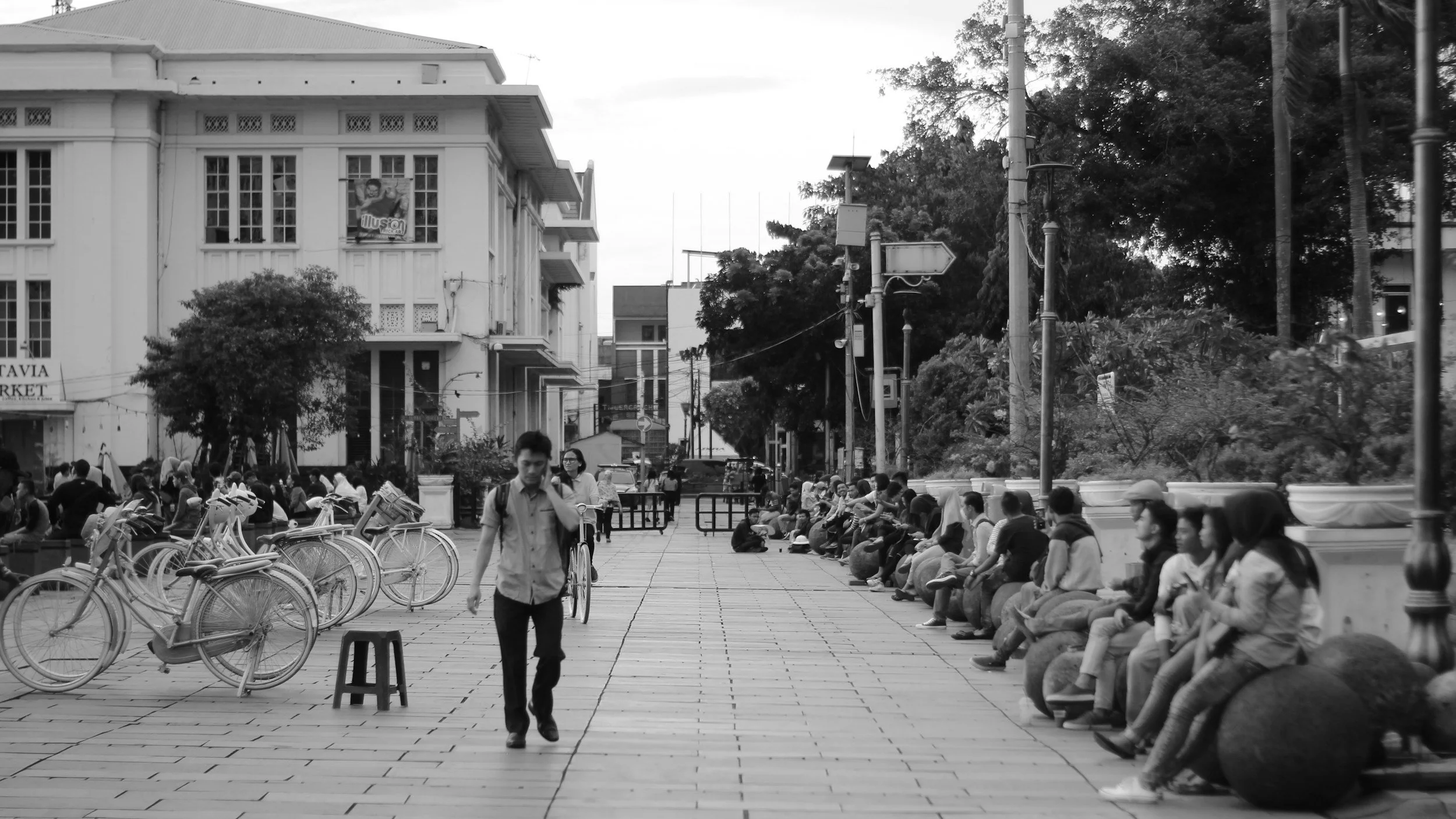
Cattell et al., 2008
“Mingling, observing, and lingering: Everyday public spaces and their implications for well-being and social relations”
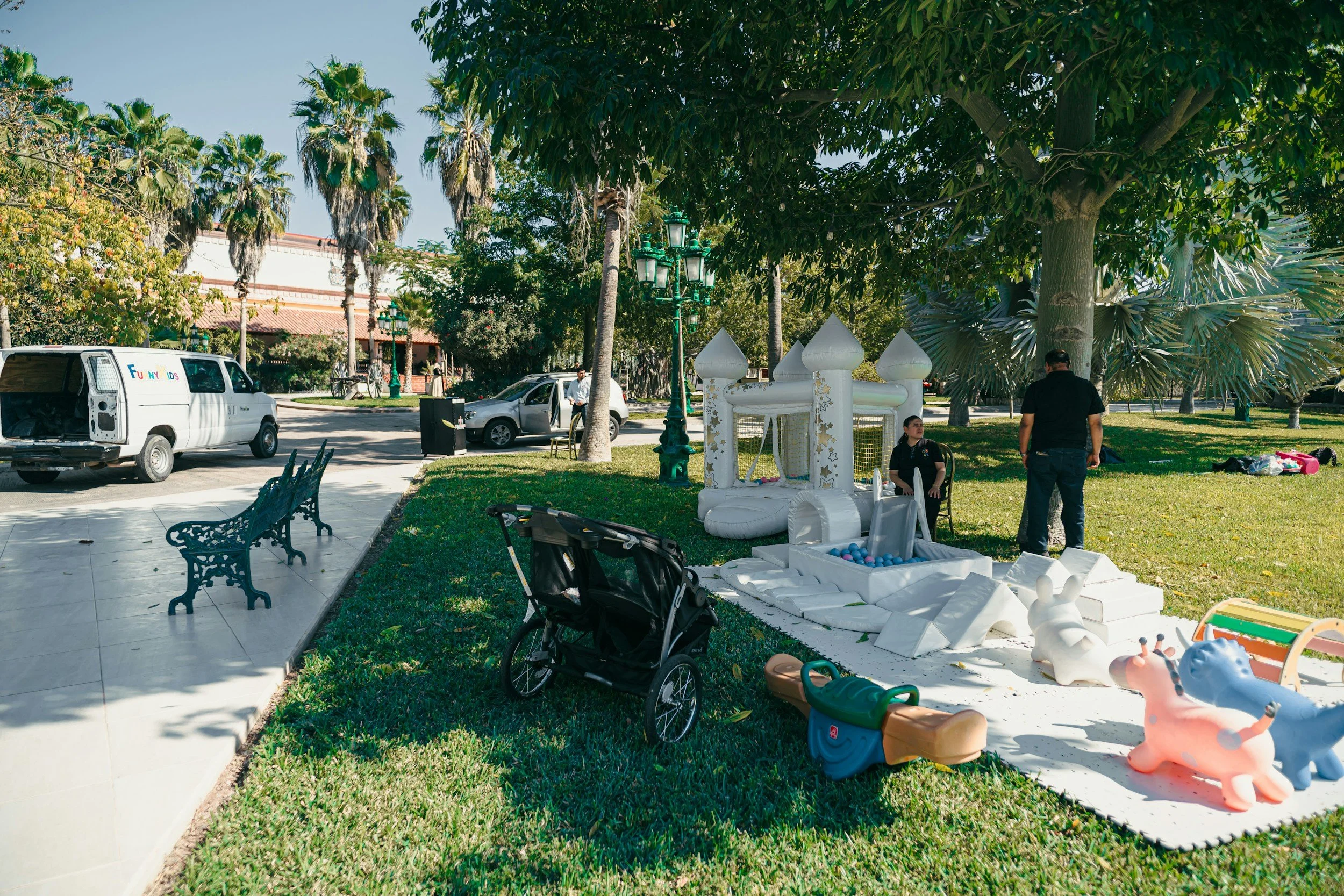
Glover & Parry, 2008, 2009
“A third place in the everyday lives of people living with cancer: Functions of Gilda's Club of Greater Toronto”

See how a place measures up
Take the PANACHe assessment to evaluate an existing space, review a proposed design, or compare design options across the seven dimensions.